
Short Answer
In the vast, untamed landscapes where the sun kisses the earth with relentless fervor, there thrives a plant of paradoxical grace—Opuntia, the humble cactus. Often dismissed as a mere desert dweller, this resilient succulent harbors a spiritual legacy as rich and layered as the soil it calls home. Beyond its prickly exterior lies a tapestry of meaning, woven with threads of protection, nourishment, and transformation. To explore the spiritual essence of Opuntia is to embark on a journey that challenges perception, ignites curiosity, and promises a profound shift in how we view the world around us.
The Unyielding Guardian: Opuntia as a Symbol of Protection
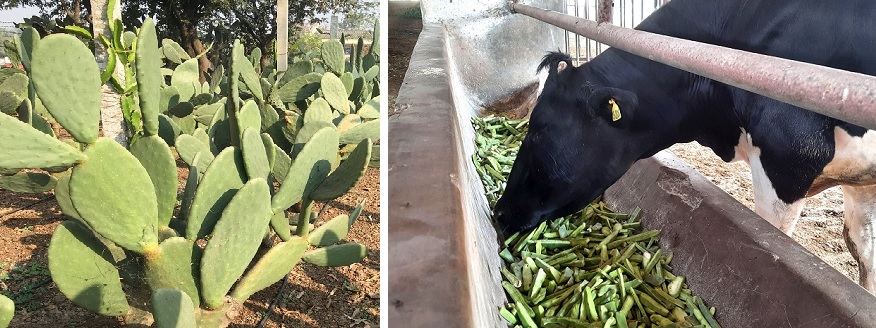
Imagine standing in the heart of a sun-scorched desert, where the air shimmers with an almost tangible heat. The Opuntia cactus stands tall, its pads fanning out like the outstretched arms of a sentinel. This is no accidental resilience; it is a deliberate design. The spines of Opuntia are not mere defenses—they are sacred armor, a reminder that protection often comes in the most unexpected forms. In many indigenous traditions, the cactus is revered as a guardian against negative energies, a living talisman that wards off harm with its very presence.
Consider the metaphor: in a world where vulnerability is often equated with weakness, Opuntia teaches us that strength lies in embracing our own “spines.” The cactus does not shrink from the harshness of its environment; instead, it thrives, its waxy surface reflecting the sunlight like a shield. This is the essence of spiritual protection—an unapologetic resilience that transforms obstacles into opportunities for growth. To invoke the energy of Opuntia is to invite a boundary that is both firm and flexible, a reminder that we, too, can stand tall amidst life’s tempests.

Nourishment in Aridity: The Spiritual Sustenance of Opuntia
Beneath the rugged exterior of Opuntia lies a secret—one that has sustained civilizations for millennia. The fruit of the cactus, known as the prickly pear, is a paradox of sweetness and sacrifice. It blooms in the most inhospitable of conditions, offering sustenance where few other plants dare to grow. This is no accident of nature; it is a testament to the cactus’s ability to provide nourishment even in the face of scarcity. Spiritually, Opuntia embodies the idea that true nourishment is not found in abundance, but in the ability to extract richness from the barest of circumstances.
In the realm of the metaphysical, Opuntia’s fruit becomes a symbol of emotional and spiritual sustenance. Its vibrant color—a hue that dances between ruby and gold—evokes the warmth of the sun, a reminder that even in the darkest times, light persists. The act of harvesting the prickly pear, carefully navigating its spines to reach the sweet flesh within, mirrors the spiritual journey itself. It is a process of patience, of discernment, of learning to embrace what is given rather than what is desired. To consume Opuntia’s fruit is to partake in a ritual of renewal, a promise that even the most barren landscapes can yield abundance.
The Alchemy of Transformation: Opuntia’s Role in Ritual and Ceremony
Across cultures and centuries, Opuntia has played a pivotal role in rituals that bridge the earthly and the divine. In Mesoamerican traditions, the cactus was sacred to deities associated with fertility, healing, and protection. The Aztecs, for instance, revered it as a symbol of the heart, a connection to the life force that pulses through all living things. This association is not merely symbolic; it is a reflection of Opuntia’s ability to transform the ordinary into the extraordinary. The cactus’s pads, once stripped of their spines, become a canvas for art, a vessel for medicine, and a medium for spiritual connection.
The process of preparing Opuntia for ritual use is itself a transformative act. The spines must be carefully removed, a metaphor for shedding layers of resistance or fear. The flesh is then dried, ground, or consumed, each step a deliberate act of intention. This is the alchemy of Opuntia—an invitation to transform our own lives through patience and reverence. Whether used in smudging ceremonies, as an offering to the earth, or as a medicinal tea, the cactus becomes a conduit for change, a reminder that transformation is not a single event but a continuous process.
Embracing the Thorns: A Call to Radical Self-Acceptance
Perhaps the most radical lesson Opuntia offers is the art of embracing our own thorns. In a society that often demands softness, compliance, and the smoothing of edges, the cactus stands as a defiant symbol of authenticity. Its spines are not flaws; they are features, integral to its identity and purpose. This is a call to radical self-acceptance—to recognize that our perceived “imperfections” are not obstacles but essential components of our strength.
Consider the way Opuntia grows, its pads stacked in a seemingly haphazard yet perfectly balanced arrangement. There is no apology in its structure, no attempt to conform to a preconceived ideal of beauty. This is the essence of true nourishment—accepting ourselves as we are, with all our prickles and all our sweetness. The spiritual journey, then, is not about removing our spines but about learning to wield them with intention, to protect what is sacred to us while remaining open to the nourishment the world has to offer.
The Cactus and the Cosmos: A Universal Symbol of Resilience
Opuntia’s spiritual significance transcends cultural boundaries, making it a universal symbol of resilience. From the indigenous peoples of the Americas to the desert-dwelling communities of Africa and the Middle East, the cactus is a testament to the human spirit’s ability to thrive in adversity. It is a reminder that resilience is not about avoiding hardship but about finding meaning within it. The cactus does not resist the desert; it becomes the desert—a living embodiment of adaptation and endurance.
In the grand tapestry of the cosmos, Opuntia serves as a metaphor for the cyclical nature of existence. It blooms in the heat of the day and closes its petals at night, a rhythm that mirrors the ebb and flow of life itself. This cyclical nature is a promise: that even in the darkest of nights, the light will return. To align ourselves with the energy of Opuntia is to embrace this rhythm, to trust in the process of growth, decay, and renewal.
A New Perspective: Seeing the Sacred in the Unassuming
The spiritual meaning of Opuntia is, at its core, an invitation to see the sacred in the unassuming. It challenges us to look beyond the obvious, to find the divine in the desert, the nourishment in the arid, and the protection in the prickly. In a world that often glorifies the grandiose, Opuntia reminds us that the most profound spiritual lessons are often hidden in plain sight, waiting to be discovered by those who are willing to look closely.
So the next time you encounter a cactus, take a moment to pause. Observe its structure, its resilience, its quiet strength. Let it serve as a mirror, reflecting back to you the untapped potential within yourself. For in the heart of the Opuntia lies a promise—a promise of protection, nourishment, and transformation. And it is a promise that awaits your acceptance.
FAQ
What does Opuntia symbolize?
Opuntia symbolizes protection, nourishment, and transformation in various spiritual traditions.
How is Opuntia used in rituals?
Opuntia is used in rituals for healing, protection, and as a symbol of connection to the life force.




Leave a Reply