
Short Answer
Have you ever cradled a Schlumbergera in your palms, marveling at its cascading, jewel-toned blooms, only to later discover tiny interlopers wreaking havoc on its fleshy cladodes? These epiphytic darlings, affectionately dubbed “Christmas cacti” for their wintertime florals, are not immune to the stealthy advances of pests. But fear not, fellow plant whisperers—armed with knowledge and a dash of horticultural grit, you can reclaim your Schlumbergera’s splendor. Let’s embark on a journey to identify these uninvited guests and reclaim your cactus’s rightful glory.
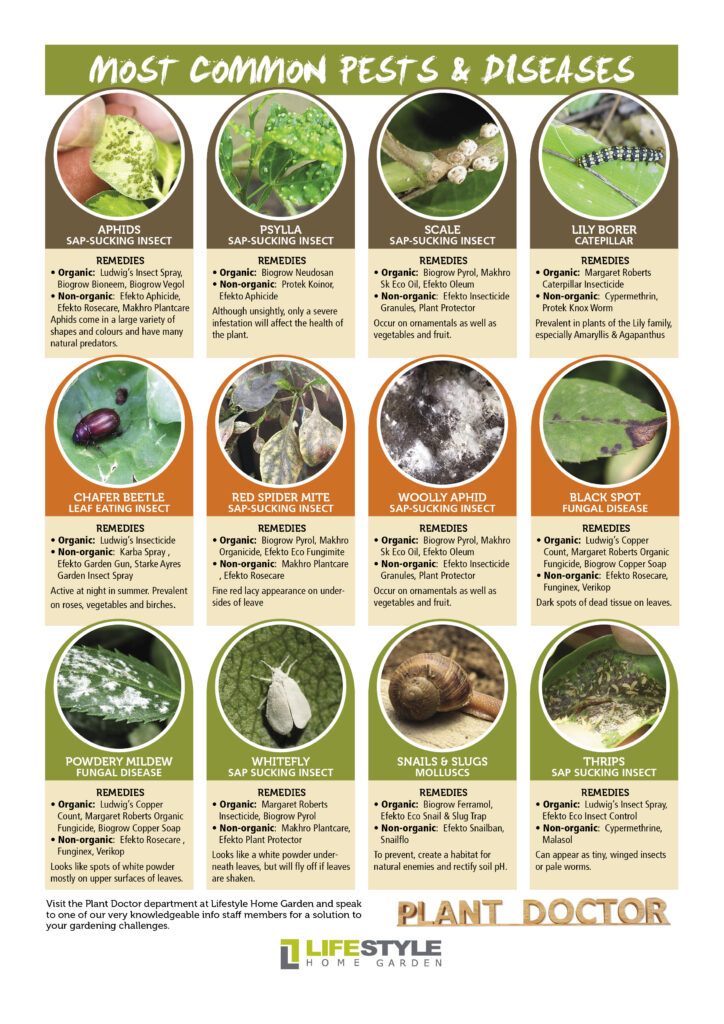
The Sneaky Sap-Suckers: Mealybugs and Their Cottony Camouflage
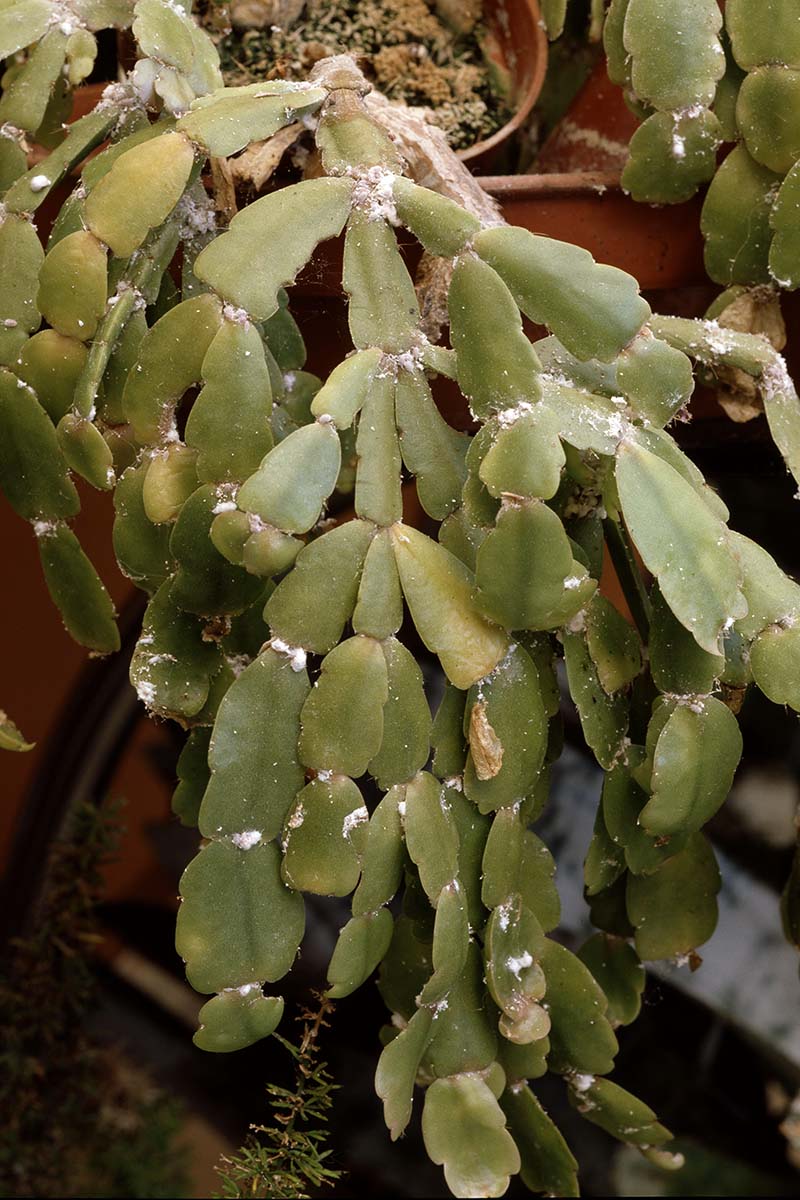
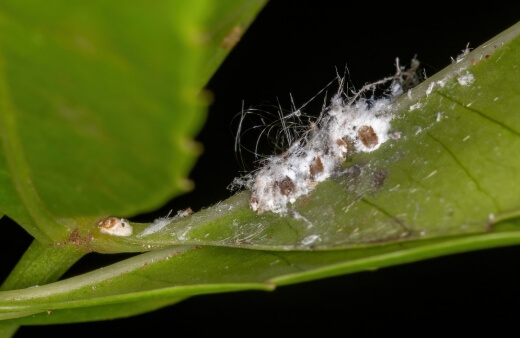
Picture this: a velvety, white substance clinging to the nooks of your Schlumbergera’s stems, resembling a miniature snowstorm frozen in time. Meet Planococcus citri, the mealybug, a master of disguise and a relentless sap-sucker. These soft-bodied interlopers secrete a waxy coating, not just for vanity, but as a shield against predators and pesticides alike. Their feeding weakens your plant, leaving behind a sticky residue known as honeydew, which then invites sooty mold—a dark, unsightly fungal nuisance—to the party.
To evict these cotton-clad squatters, arm yourself with a cotton swab dipped in rubbing alcohol. Gently dab the pests, dissolving their waxy armor. For larger infestations, a spray of neem oil mixed with water (one teaspoon per quart) can be your horticultural flamethrower. Apply weekly, ensuring you target the undersides of leaves and stem joints where these critters love to lurk. Consistency is key—think of it as a weekly spa treatment for your plant, minus the cucumber slices.
The Stealthy Stowaways: Spider Mites and Their Silk Trails
Now, imagine waking up to find your once-vibrant Schlumbergera draped in the finest of silken veils, as if it’s preparing for a gothic ball. These delicate threads are the handiwork of Tetranychus urticae, the spider mite—a creature so minuscule it could hide on the head of a pin. These arachnids pierce plant cells to feast, leaving behind stippled, yellowed patches that mar the plant’s verdant beauty. Worse still, their rapid reproduction means a small problem can balloon into an infestation overnight.
Combat these silk-spinning marauders with a blast of water from your showerhead or hose, dislodging their webs and sending them tumbling. Follow up with a miticide or, for a gentler approach, a solution of insecticidal soap. Repeat applications are crucial, as spider mites are notorious for their resilience. To deter future invasions, maintain humidity levels—these mites thrive in dry conditions. Consider misting your Schlumbergera regularly or placing a pebble tray filled with water beneath it. Think of it as creating a spa-like oasis where mites dare not tread.
The Scale of the Problem: Armored Invaders and Their Stubborn Grip
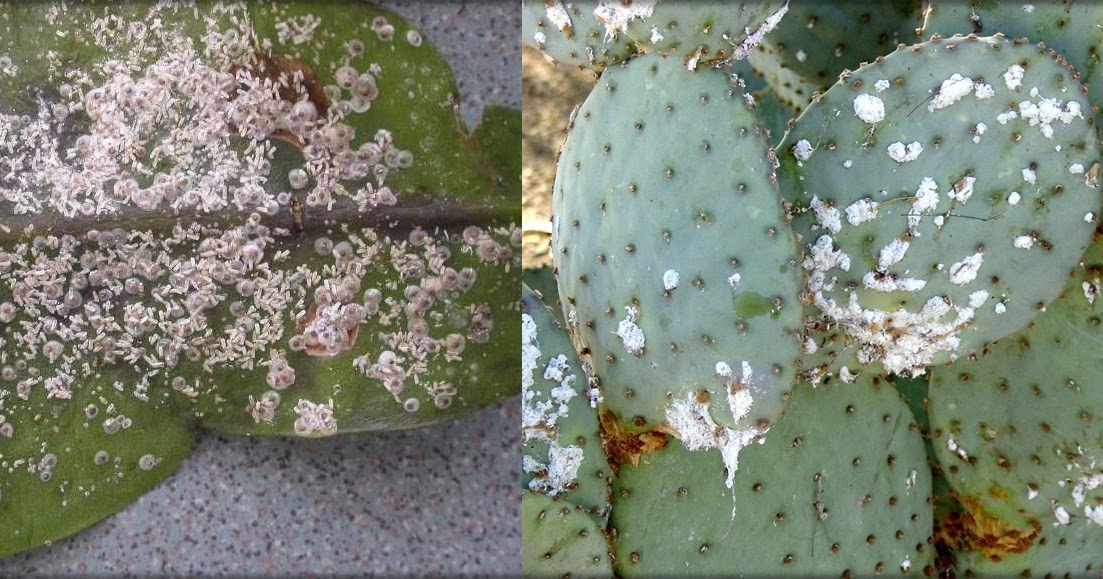
Behold the armored tanks of the pest world: scale insects. These flat, oval creatures, often resembling tiny barnacles, cling to stems and leaves with an unshakable grip. They secrete a hard, protective shell, making them impervious to casual sprays of water or soap. Left unchecked, they multiply like uninvited guests at a buffet, sapping your Schlumbergera’s vitality and leaving behind a sticky residue that attracts ants and sooty mold.
To dislodge these persistent squatters, employ a soft-bristled toothbrush or cotton swab dipped in a mixture of water and mild dish soap. Scrub gently but firmly, focusing on the crevices where scales love to nest. For a more thorough approach, apply horticultural oil, which smothers the pests by clogging their breathing pores. Apply in the early morning or late evening to avoid scorching your plant. Remember, patience is your ally—these pests are stubborn, but not invincible.
The Fungal Foes: Root Rot and Its Waterlogged Wrath
While not a pest in the traditional sense, Phytophthora and other waterborne fungi are silent assassins that can turn your Schlumbergera’s roots into a mushy, rotting mess. Overwatering, poor drainage, or a pot without adequate drainage holes creates the perfect breeding ground for these opportunistic pathogens. The first sign? Yellowing leaves, wilting stems, and a foul, earthy odor emanating from the soil. Left unchecked, your plant may collapse into a sad, soggy heap.
To rescue your Schlumbergera from this watery grave, repot it immediately into fresh, well-draining cactus mix. Trim away any blackened, mushy roots with sterilized scissors, and let the remaining healthy roots air-dry for a few hours before replanting. Water sparingly—only when the top inch of soil is dry—and ensure your pot has drainage holes. Consider adding perlite or pumice to the soil mix to improve aeration. Think of it as a plant rehabilitation program: strict, but necessary for a full recovery.
The Preventive Paradigm: Cultivating a Pest-Resistant Oasis
An ounce of prevention, as they say, is worth a pound of cure. To keep your Schlumbergera thriving, adopt a holistic approach to pest management. Start with quarantine: new plants should be isolated for at least two weeks to monitor for hitchhiking pests. Quarantine isn’t just for humans—your plants deserve it too.
Next, embrace the power of cleanliness. Wipe down leaves with a damp cloth to remove dust and debris, which can harbor pests. Rotate your plant periodically to ensure even growth and prevent pests from settling into one-sided hideouts. Finally, observe your Schlumbergera like a hawk. Early detection is your best defense—catching an infestation in its infancy makes eradication far simpler.
Your Schlumbergera is more than just a plant; it’s a living testament to your care and dedication. By staying vigilant, armed with knowledge, and ready to act, you can ensure its blooms remain as vibrant and resilient as the spirit of the season it celebrates. So go forth, plant parent, and may your Christmas cactus flourish in pest-free splendor.
FAQ
What are the common pests found on Schlumbergera?
Common pests include mealybugs, spider mites, and scale insects.
How can I treat mealybugs on my Christmas cactus?
You can treat mealybugs by applying rubbing alcohol with a cotton swab or using neem oil.
What signs indicate spider mites on my Schlumbergera?
Look for fine silk webs and stippled yellow leaves as signs of spider mites.
Leave a Reply