
Short Answer
The allure of cactus flowers is undeniable. They emerge from the arid landscapes, bringing splashes of color and elegance to the otherwise rugged desert environment. This visual guide aims to not only familiarize you with some of the most exquisite cactus blooms but also to shift your perspective on these remarkable succulents. By delving deep into the lush world of cactus flower names and their captivating images, you will uncover the astonishing diversity and beauty they offer.
Cacti are not merely spiny plants; they are botanical marvels that flaunt vibrant and diverse flowers, each with its own unique characteristics. Understanding their nomenclature and visual appeal can evoke a deeper appreciation for the enchanting ecosystems they inhabit.
In the realm of cacti, the name often reflects more than just identification—it conveys a story, a history, and an intrinsic connection to the environment. Below, we will explore some striking examples, sharing images and insights to illustrate the beauty that lies within these often-underappreciated floral phenomena.
Enchanting Echinocereus: The Jewel of the Desert
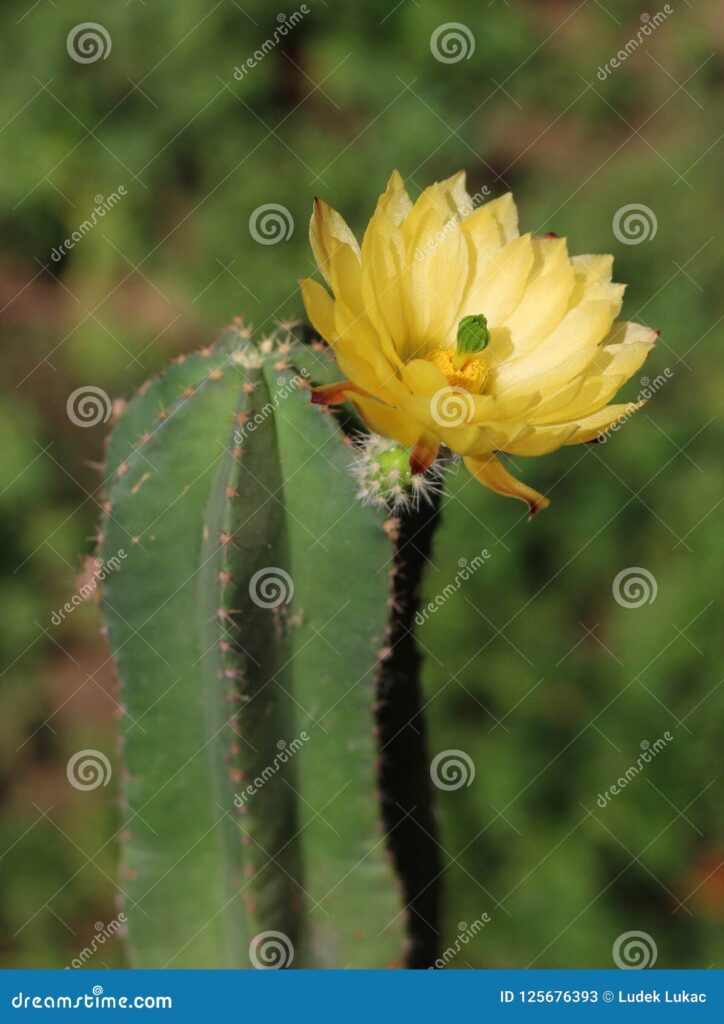
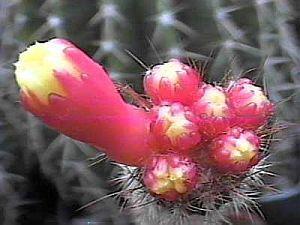
The Echinocereus genus comprises a variety of stunning cacti, known for their cylindrical shapes and stunning blooms. One notable species is the Echinocereus subinermis. This remarkable cactus is distinguished by its delicate yellow flowers that bloom profusely in the right conditions. The vibrant yellow petals, often contrasting starkly against the green spines, create a visual spectacle that draws in admirers from far and wide.
These blossoms typically appear in late spring to early summer, thriving in the warm sun of desert landscapes. The flowers, while ephemeral, last several days, and their beauty beckons bees and hummingbirds alike, establishing a vital connection in the ecosystem. The Echinocereus subinermis encapsulates the spirit of resilience—flourishing in inhospitable conditions while offering a stunning visual feast.
Celebrating the Saguaro: Icon of the Southwest
No discussion of cactus flowers would be complete without mentioning the iconic Saguaro cactus (Carnegiea gigantea). This towering giant can reach heights of up to 40 feet and is adorned with magnificent white flowers. The blooms typically emerge during the cooler hours of the night and into the morning, displaying a luminous quality that captures the sun’s rays as they unfold.
Interestingly, these flowers represent the state flower of Arizona. Each bloom is quite large and fragrant, attracting various pollinators, including bats, which play a crucial role in their reproduction. The Sanora Desert, where the Saguaro thrives, becomes a kaleidoscope of white blossoms each spring, showcasing nature’s artistry and igniting wonder in those who witness it.
Marveling at the Moonlight: The Night-Blooming Cereus
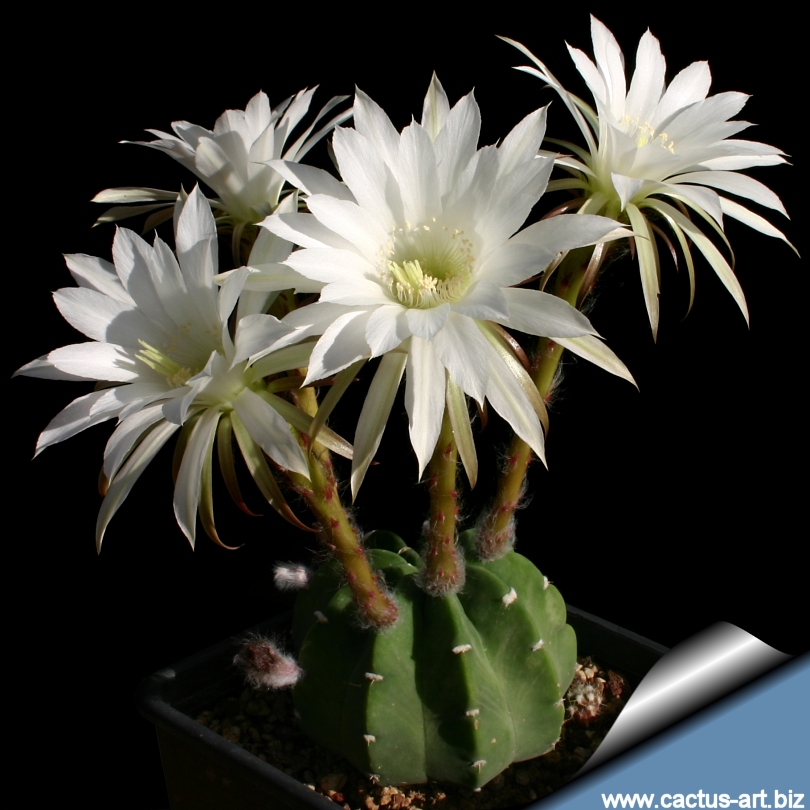
Venturing into the world of nocturnal beauty, one must acknowledge the Night-Blooming Cereus, specifically the species Selenicereus grandiflorus. Known colloquially as the “Queen of the Night,” this cactus is infamous for its remarkable blooms that unfurl only at night. With delicate white petals and an intoxicating fragrance, these flowers capture the imagination of anyone fortunate enough to catch a glimpse.
The nocturnal opening of these blossoms serves a specifically intended purpose: to attract night pollinators. Their ephemeral nature—lasting just one night—creates a sense of urgency and intrigue among plant enthusiasts and casual observers alike. A celebration not just of floral beauty but of the delicate dance of pollination unfolds as the sun sets, underscoring the diversity of life that thrives in the dark.
Exploring the Diverse Color Palette of Cactus Flowers
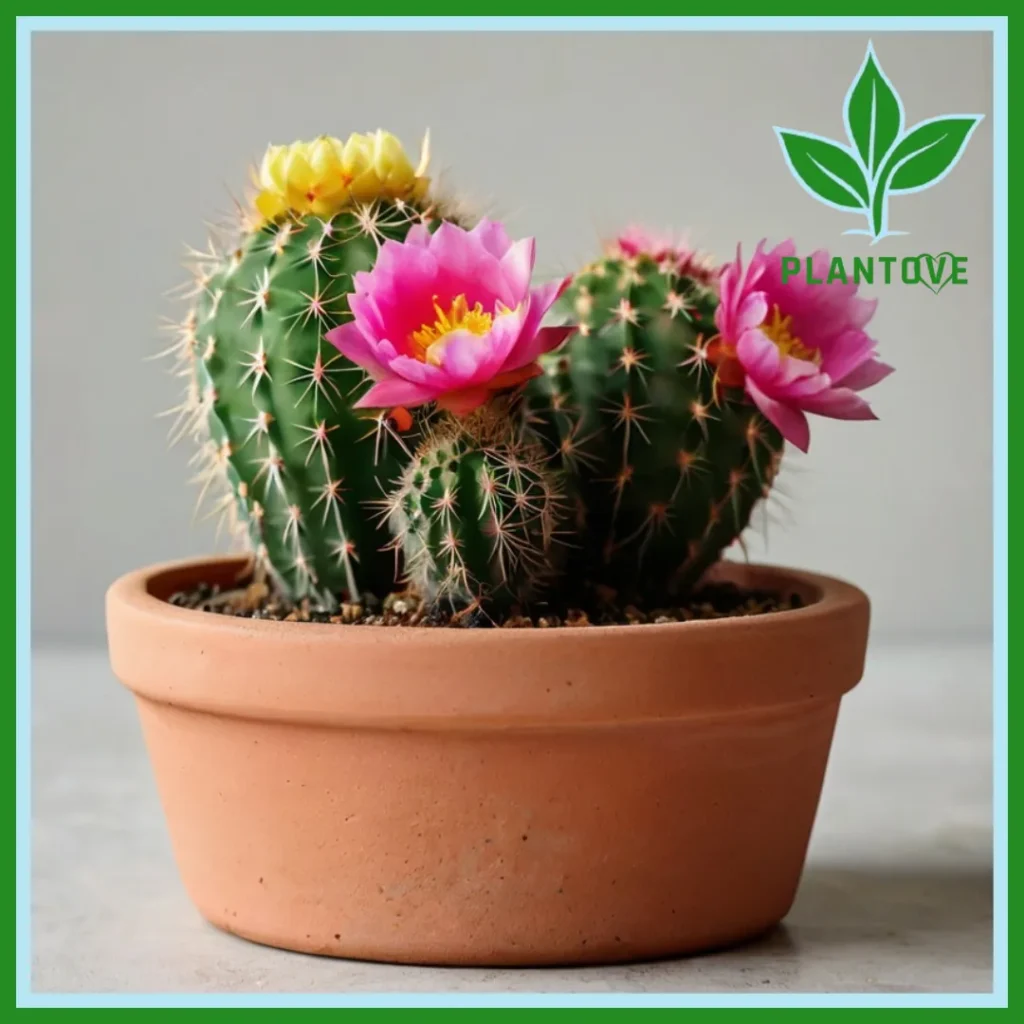
The vibrant spectrum of cactus flowers is nothing short of mesmerizing. From the bold reds and purples of the Ferocactus to the soft pastels of the Rebutia, each species boasts its own vibrant display. These hues serve practical functions as well, attracting pollinators and sharing vital nutrients with neighboring flora.
The diverse morphology of cactus flowers is emblematic of the varied environments they inhabit. In some cases, flowers may develop a funnel shape, facilitating pollination by specialized insects, while others boast broad, flat surfaces that beckon birds and butterflies. Such adaptations highlight the intricate relationships cultivated in nature—every color, shape, and fragrance serving a purpose. Observing these flowers in their native habitats is akin to witnessing a masterpiece in a living gallery.
The Future of Cactus Conservation: Protecting Floral Diversity
As attention to these stunning blooms escalates, so too does the need for conservation. Urban encroachment, climate change, and environmental degradation threaten these botanical wonders. By understanding their importance in ecosystems and appreciating their aesthetic beauty, we foster a sense of responsibility towards their preservation.
Cactus flowers offer an awe-inspiring glimpse into the resilience of nature. They remind us of the beauty that can blossom even in the harshest conditions. Taking the time to admire these flowers not only enriches our understanding of biodiversity but enhances our appreciation for the delicate balance of life. As we observe these remarkable blooms unfurl, let us embrace the opportunity to care for our planet, ensuring that future generations can also revel in the splendor of these remarkable plants.
As you embark on your journey to discover cactus flowers, allow your imagination to be captivated by their beauty. Explore their various forms, appreciate their colors, and let the intrigue of their existence shift your perspective on the natural world, one bloom at a time.
FAQ
What are cactus flowers?
Cactus flowers are the blooms produced by various cactus species, known for their vivid colors and ecological role in attracting pollinators.
Which cactus produces the largest flowers?
The Night-Blooming Cereus (Selenicereus grandiflorus) produces some of the largest cactus flowers, which bloom only at night.
Why do some cactus flowers bloom at night?
Night-blooming cactus flowers open at night to attract nocturnal pollinators like bats and moths.
How can I identify different cactus flowers?
Identification can be based on flower color, shape, blooming time, and the cactus species or genus.
Leave a Reply