
Short Answer
In the desert of your home or garden, the cactus stands as a stoic sentinel—resilient, enigmatic, and profoundly architectural. But beneath its spiky armor, this botanical marvel isn’t impervious to afflictions. Cactus diseases creep in like shadowy saboteurs, threatening the integrity of these succulent sculptures. Understanding how to spot and treat cactus diseases transforms you into a vigilant guardian, preserving both their sculptural charm and their botanical vigor. Let’s embark on a journey through the subtle signs of distress, uncovering the maladies that lurk beneath the surface, and the remedies that restore life and luster to these desert gems.
The Silent Invaders: Identifying Common Cactus Diseases
Much like an ancient manuscript with faint smudges and discolorations hinting at hidden stories, cacti reveal their troubles through subtle, often overlooked changes. Recognizing these early symptoms can stave off devastation.
One of the most ubiquitous culprits is fungal infections. These manifest as dark, water-soaked lesions, often at the cactus base or on pads, spreading like a sinister ink blot on parchment. Soft rot, caused by a consortium of bacterial and fungal pathogens, dissolves the cactus tissue into a mushy, malodorous mess.
Root rot is another stealthy foe, often undetected until the cactus shows signs of collapse. This affliction stems from overly saturated soil, inviting pathogens that suffocate and decay the roots.
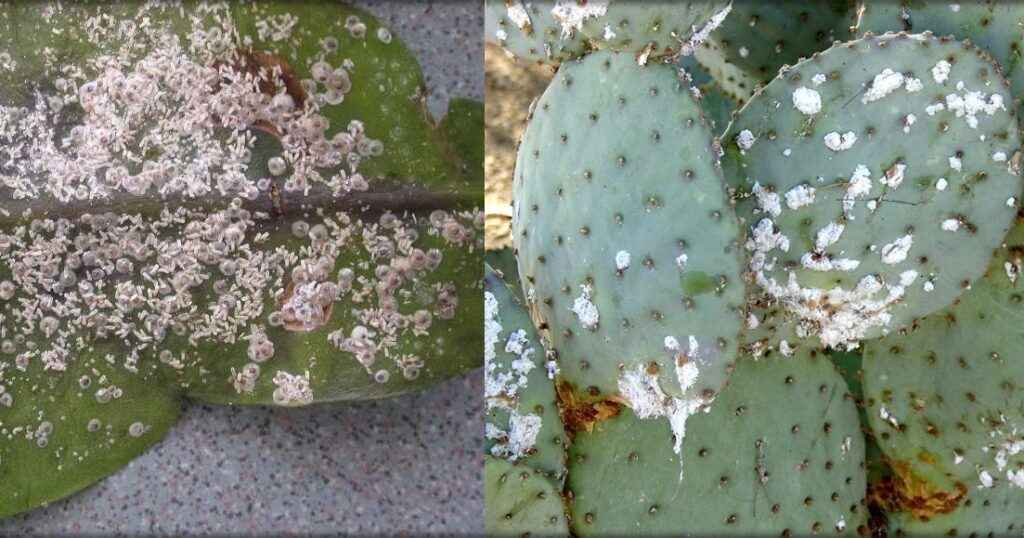
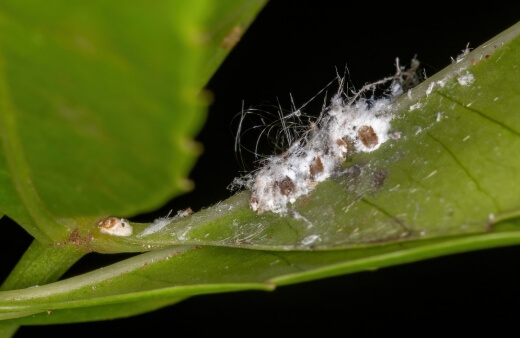
In the realm of pests masquerading as disease, mealybugs and scale insects cover themselves in white or brown waxy secretions, feasting on succulent sap and weakening the plant’s defenses, thereby creating gateways for secondary infections.

Diagnosing the Desert’s Distress Signals
Just like a doctor uses a stethoscope to listen for hidden ailments, a cactus caretaker must develop a keen eye for physiological distress signals. Discoloration—yellowing or darkening pads—can indicate nutrient imbalance or early infections. An otherwise firm cactus turning mushy or translucent often signals rot under siege.
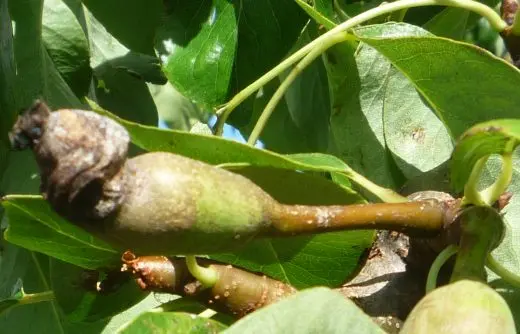
The presence of scabby patches or cankers suggests fungal invasions establishing strongholds. Watch for unusual growth patterns, including stunted or abnormally shaped segments, which can indicate viral infections or chronic stress.
The texture of the soil is also a diagnostician’s tool. Overly damp substrates or stagnant water around the root zone bodes poorly, heralding rot pathogens ready to engulf your cactus in decay.
Holistic Treatment Approaches: Healing the Desert Jewel
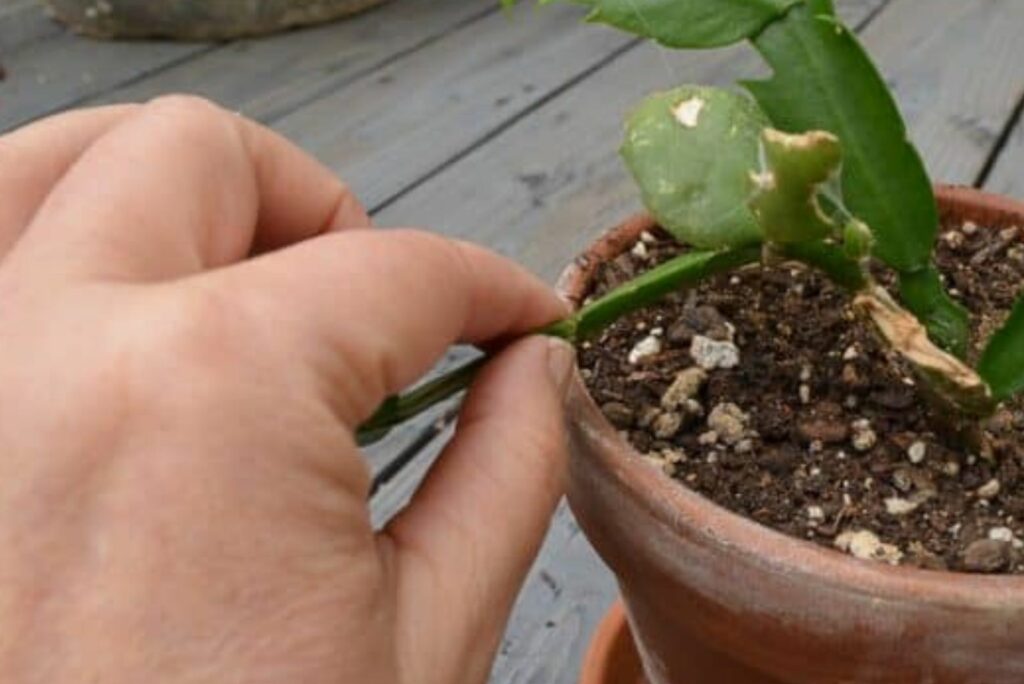
Treating cactus diseases requires a blend of precision and patience, akin to delicate archaeological restoration. First, isolating affected specimens prevents the spread of contagion. Pruning away diseased segments with sterilized tools removes active infection sites, allowing the plant’s immune responses to rally.
Fungicides with copper or sulfur bases can arrest many fungal outbreaks. These are best applied in the early morning or late afternoon to avoid scorching sensitive tissues.
For root rot, the battle begins beneath the surface—lifting the cactus gently to inspect and trim away rotted roots is essential. Replanting in well-draining, sterilized soil enriched with the right mineral balance helps reestablish a fortress against future infestations.
Natural predators like ladybugs and lacewings can be allies in controlling mealybugs and scale insects without resorting to harsh chemicals. Alternatively, insecticidal soaps provide a gentler attack, suffocating pests while sparing the plant and environment.
Preventative Rituals: Fortifying Cacti Against Future Battles
Prevention is the gardener’s equivalent of an armored shield. Maintaining ideal environmental conditions—such as bright, indirect sunlight, and soil that mimics the cactus’s native desert substrate—is fundamental. Overwatering is a common folly; resisting the urge to shower your cactus too frequently starves rot pathogens of the moisture they crave.
Regular inspection routines transform your role from caretaker to sentinel. Early detection through diligent observation can catch pathogens while they’re vulnerable, before they evolve into aggressive marauders.
Sanitation practices, including sterilizing tools and pots before use, eliminate dormant spores and eggs waiting to infiltrate. Seasonal repotting replenishes tired soil and disrupts pathogen life cycles.
Cultivating Resilience: The Unique Appeal of a Healthy Cactus
Cacti are more than mere plants; they are living sculptures embodying endurance and grace. A healthy cactus stands as a testament to nature’s capability to thrive in adversity, its spines a poetic defense, its blooms a rare and breathtaking flourish. By mastering the art of disease identification and treatment, you nurture not just the plant, but a living narrative of survival and elegance.
Embracing the challenge of cactus care transforms these stoic succulents from fragile guests into stalwart companions. Their resilience inspires us to face challenges with the same graceful determination, proving that even in the harshest conditions, life can flourish with proper care and attentiveness.

FAQ
What are the common diseases affecting cacti?
Common diseases include fungal infections, root rot, mealybugs, and scale insects.
How can I prevent cactus diseases?
Prevent diseases by maintaining proper watering, ensuring good drainage, and regularly inspecting your plants.
What should I do if my cactus shows signs of disease?
Isolate the affected cactus, prune diseased parts, and treat with appropriate fungicides or insecticides.

Leave a Reply