

Short Answer
Step into the beguiling world of desert life, where survival is a masterclass in adaptation and resilience. Among the flora that herald tales of endurance and transformation, cacti stand as living monuments to evolutionary ingenuity. The evolution of cacti is a captivating botanical saga that not only challenges conventional perspectives on plant adaptation but also ignites curiosity about the intricate dance between environment and genetic innovation. Prepare to explore the transformative journey of these succulent sentinels, witnessing how they have thrived against all odds.
Origin and Ancestry: From Forest Floors to Arid Landscapes
The evolutionary story of cacti begins millions of years ago in more humid, forested environments, drastically different from the arid deserts they command today. Their earliest ancestors were not desert dwellers but rather succulent plants originating in tropical rainforests. This serpentine evolutionary path underscores a fascinating movement from moisture-abundant habitats toward the onset of xeric, or dry, conditions.
What propelled these plants into such harsh environments was a complex interplay of climatic shifts and geological upheavals. As regions transformed through epochs of drying and temperature fluctuations, the ancestral cacti faced immense selective pressures. This environmental crucible ignited profound morphological and physiological modifications, enabling their survival and eventual dominance in some of the planet’s most unforgiving terrains.
Convergent Evolution: The Paradox of Similarity
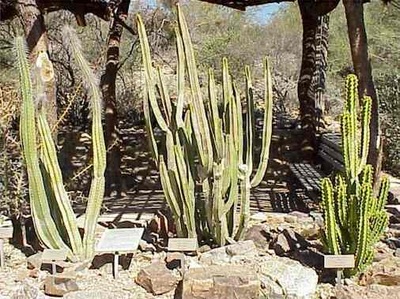
Amazingly, cacti share an evolutionary phenomenon known as convergent evolution with Euphorbias—plants native to completely different parts of the world. Despite being unrelated taxonomically, cacti from the Americas and euphorbias from Africa have evolved strikingly similar forms and survival strategies. Both exhibit thick, fleshy stems for water storage and spines instead of leaves to reduce water loss and deter herbivores.
This evolutionary convergence is a testament to the power of natural selection in sculpting analogous adaptations across distinct lineages. It challenges the intuitive notion that similar appearances imply close kinship and reveals the subtle paths evolution can take when faced with comparable environmental pressures. This botanical parallelism invites us to reconsider how we classify and understand plant evolution not merely by form but by ecological function.
Morphological Marvels: The Architecture of Survival
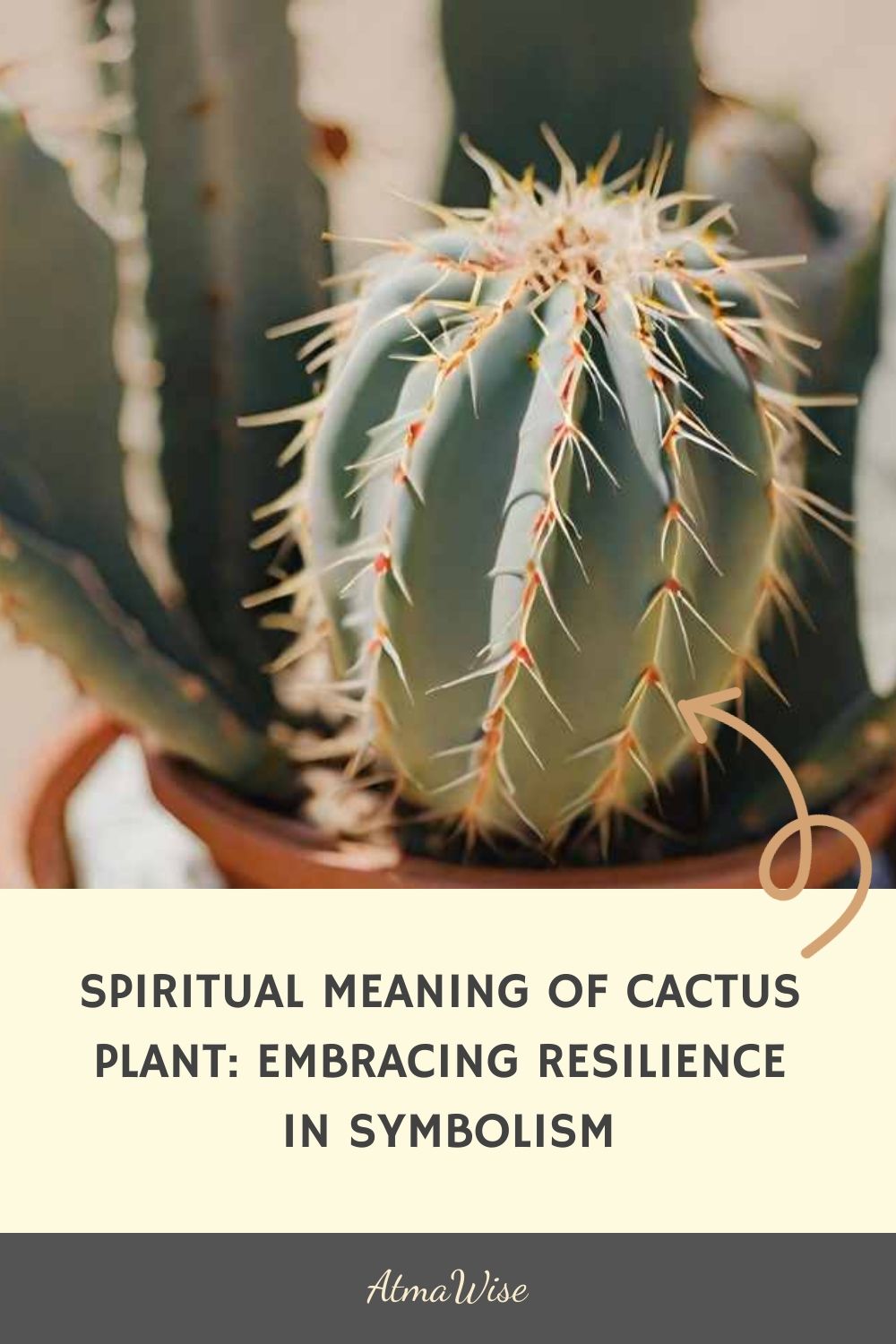
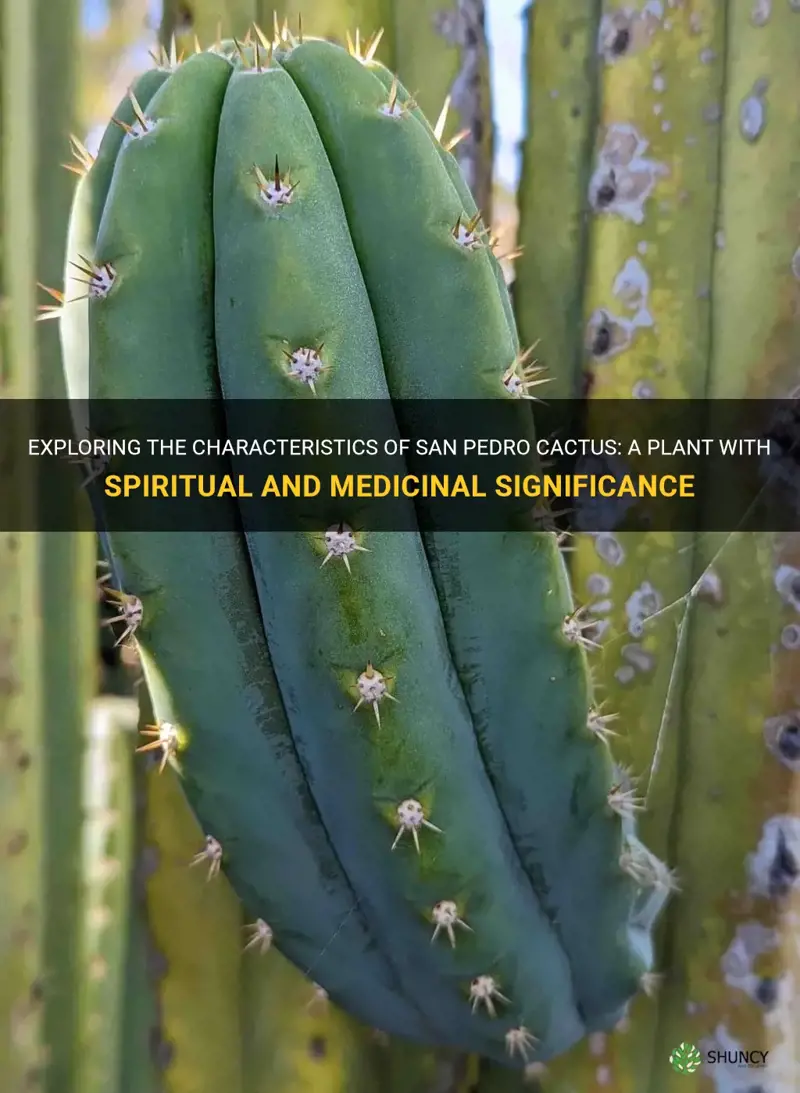
Dive deeper into the anatomy of cacti, and a sophisticated architectural strategy unfolds—one meticulously optimized over countless generations. The hallmark characteristic is the transformation of leaves into spines, drastically minimizing transpiration while providing a shield against herbivores. Beneath this facade of defensiveness lies the succulent stem, a water reservoir enveloped in a tough, wax-laden epidermis impervious to desiccation.
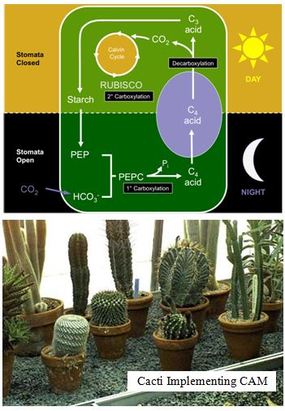
Moreover, the photosynthetic role shifts entirely to the stem, employing a unique adaptation called Crassulacean Acid Metabolism (CAM). CAM photosynthesis defies the classical model by opening stomata at night to reduce water loss—a nocturnal twist in the plant’s metabolic rhythm that epitomizes evolutionary ingenuity.
Further intriguing is the root system—typically shallow but extensive—engineered to capitalize on scarce rainfall by rapidly absorbing moisture before it evaporates. These intertwined morphological features create a synergistic network, each component reinforcing the other to ensure survival in inhospitable conditions.
Ecological Roles and Symbiosis: Beyond the Desert Aesthetic
While cacti visually dominate desert vistas, their evolutionary success also hinges on intricate ecological interactions. They have fostered symbiotic relationships with pollinators such as bats, birds, and insects, whose specialized behaviors and morphologies co-evolved in tandem with these plants. This mutualism enhances reproductive success and ensures genetic diversity despite the sparse and challenging environments.
Additionally, many desert animals rely on cacti for nourishment and hydration, marking these plants as keystone species within their ecosystems. Through seed dispersal and habitat provision, cacti participate actively in shaping the desert biome, transforming the notion from mere survivalists to pivotal ecological architects.
The Future of Cacti: Evolution in an Era of Change
As the climate continues to shift in unpredictable ways, the evolutionary narrative of cacti is far from complete. Rising temperatures, altered precipitation patterns, and expanding desertification pose new challenges that will undoubtedly influence their genetic trajectories. Remarkably, cacti hold a reservoir of adaptive potential encoded in their DNA—offering hope that they will continue to innovate survival strategies in the Anthropocene.
Emerging research into genomic plasticity and epigenetic modifications reveals that cacti might use multifaceted responses to environmental stress, extending the boundaries of classical evolutionary theory. Observing these evolutionary experiments in real time invites a paradigm shift in how we perceive plant resilience—not as static adaptation but as a dynamic, ongoing process.
In essence, the evolution of cacti transcends botanical curiosity; it is an epic of transformation, resilience, and interconnection. This narrative compels us to look beyond the spiny exterior, uncovering layers of biological artistry woven through eons. The next time you gaze upon a towering saguaro or a compact prickly pear, remember the profound evolutionary odyssey encapsulated within—a saga still unfolding under the relentless sun.
FAQ
What are the origins of cacti?
Cacti originated in humid, forested environments before adapting to arid landscapes over millions of years.
What is convergent evolution in cacti?
Convergent evolution refers to the phenomenon where cacti and Euphorbias have developed similar forms and adaptations despite being unrelated.
How do cacti survive in harsh environments?
Cacti have evolved unique adaptations like water-storing stems, spines instead of leaves, and specialized photosynthesis methods to minimize water loss.

Leave a Reply