
Short Answer
In a world where succulents and cacti have transcended their desert origins to become beloved houseplants and cultural icons, it’s time to reimagine how we introduce these resilient beauties to children. Cacti are not just prickly green shapes; they are vessels of stories, science, and surprises. The best cactus books for children promise to shift perspective—transforming prickles into wonder and spines into gateways of curiosity. More than just flora, these books unfold worlds where nature’s quirks become lessons, illustrations inspire awe, and reading leads to adventures rooted in the arid heartlands. Dive into this verdant literary landscape and watch children’s imaginations bloom.
Unveiling the Wonders: Why Cactus Books Captivate Young Minds
Cacti are marvels of adaptation, thriving in some of Earth’s most inhospitable environments. But for children, these fascinating succulents are often overlooked or misunderstood. The best children’s cactus books redefine this perception by weaving captivating narratives and dazzling visuals that celebrate the cactus’s unique characteristics—from their water-storing abilities to their protective spines. These books ignite a child’s innate curiosity about survival, ecology, and the marvels of the natural world without it ever feeling like a science lesson.
By presenting cacti through engaging stories and vibrant imagery, children begin to appreciate their resilience and beauty. The metaphors become palpable; children can see parallels to their own lives—growth amidst adversity, standing tall while bearing challenges, and thriving with minimal resources. Books about cacti transform a simple plant into a symbol of strength, patience, and quiet perseverance, enriching the child’s emotional and intellectual world.
Picture Books That Paint Cacti with Color and Character
For younger audiences, picture books are the perfect medium to introduce the spiky world of cacti. Illustrated with rich, colorful artwork, these books often bring cacti to life with playful personalities or vivid landscapes that stir the imagination. When children see coy little cacti wearing hats or standing alongside desert animals, they instantly forge an emotional connection and recognize these plants as more than just prickly obstacles.
Some cactus-themed picture books go beyond storytelling and incorporate interactive elements—lift-the-flap surprises or textured pages that encourage tactile learning. These designs tap into multiple sensory pathways, deepening engagement and enhancing memory retention. Additionally, the rhythm of rhyme and repetition often found in these books reinforces language skills while embedding fascinating cactus facts seamlessly.

Scientific Explorations: Delving into the Biology and Ecology of Cacti
For older children or budding botanists, cactus books that explore scientific concepts unlock a deeper understanding of plant biology and desert ecosystems. These books delve into the remarkable adaptations that enable cacti to store water, fend off predators with spines, and bloom spectacularly in arid climates. Detailed but accessible explanations foster critical thinking and invite young readers to marvel at evolutionary ingenuity.
Encouraging an investigative mindset, these books may include experiments, diagrams, and fun activities such as seed planting or observing succulent growth. They also emphasize environmental stewardship, highlighting issues like habitat preservation and the importance of desert biomes in global ecology. By contextualizing cacti within a bigger environmental framework, children develop a sense of responsibility and interconnectedness.
Creative Engagement: Cactus Books that Inspire Art and Imagination
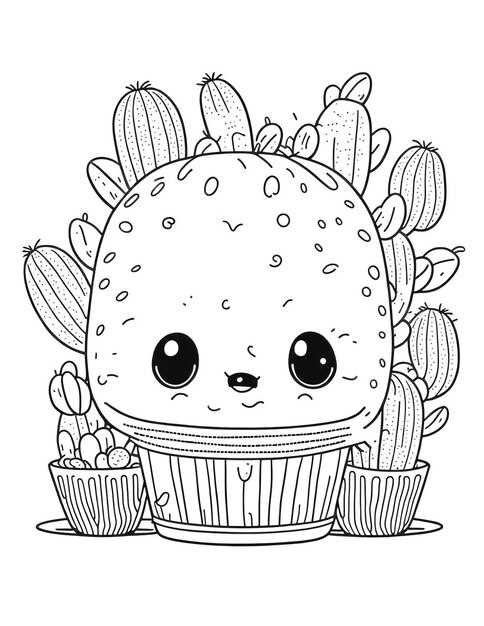
Cacti have an unmistakable aesthetic appeal—geometric forms, symmetrical spines, and vibrant flowers—that naturally lend themselves to artistic expression. Many cactus-centric children’s books double as creative catalysts, offering coloring pages, craft ideas, or storytelling prompts that engage children’s hands and minds simultaneously.
These creative endeavors not only nurture fine motor skills but also cultivate an eye for detail and appreciation for nature’s design principles. Children learn to observe subtle variations in shape and color while expressing their interpretations through drawing or constructing their own cactus models. The interplay between art and nature within these books empowers children to become creators, not just consumers.

Practical Guides: Growing and Caring for Cacti at Home
Beyond stories and art, children’s cactus books often incorporate practical advice tailored for young gardeners. These guides offer step-by-step tips on choosing suitable cacti varieties, watering schedules, soil composition, and safe handling techniques. The tactile experience of nurturing a living cactus complements the intellectual knowledge gleaned from reading, fostering responsibility and confidence.
Practical cactus books often demystify the nuances of succulent care, transforming what could be seen as finicky plants into accessible companions. They encourage children to observe plant behavior, make predictions, and celebrate progress. This hands-on approach transforms passive interest into active engagement, anchoring learning in the rhythms of daily life.

Bridging Cultures: Cacti in Folklore, Mythology, and History
Cacti are not mere botanical specimens; they are also powerful cultural symbols steeped in indigenous traditions, mythology, and history. Several children’s cactus books delve into these rich narratives, opening doors to multicultural education and global awareness. These stories introduce children to ancient legends, traditional desert lifestyles, and the reverence many cultures hold for the cactus’s fortitude.
The fusion of factual and cultural storytelling enriches a child’s understanding of diversity and the varying ways humans relate to nature. These narratives often carry timeless lessons about respect, harmony, and survival, encouraging empathy alongside ecological literacy. Through such books, children appreciate that plants like cacti are threads in a vast cultural tapestry, not just isolated specimens in a garden.
Conclusion: Cultivating a Lifelong Fascination with Nature Through Cactus Books
Introducing children to the world of cacti through thoughtfully crafted books promises more than just knowledge—it promises a transformation of perspective. These books invite young readers to see beauty in resilience, complexity in simplicity, and stories in spines. The cactus, a symbol of endurance and adaptability, becomes a beacon for curiosity and creativity.
Whether through vibrant picture books, scientific explorations, or hands-on guides, cactus books for children kindle an enduring connection to nature. They teach lessons that extend beyond the pages, instilling values of patience, respect, and wonder. Embark on this literary journey and watch as children’s perceptions blossom from the prickly to the profound.
FAQ
What are the best cactus books for children?
The best cactus books for children feature engaging stories, vibrant illustrations, and educational content that introduces kids to the unique characteristics and cultural significance of cacti.
Why are cactus books important for children?
Cactus books help children appreciate nature, learn about resilience and adaptability, and foster a sense of curiosity and creativity through engaging narratives.

Leave a Reply