
Short Answer
Acanthocalycium spiniflorum, a stunning member of the Cactaceae family, is lauded for its aesthetic appeal and vigorous growth habits. This species is native to the arid regions of South America, particularly found in Argentina, where it thrives in environments characterized by low moisture and high sunlight. Understanding the biology and cultivation specifics of this cactus can significantly enhance its care, ultimately leading to spectacular floral displays.
In this article, we will delve into the growth habits of Acanthocalycium spiniflorum and provide essential tips for encouraging prolific flowering. Addressing common concerns about its care and maintenance will aid both novice and seasoned collectors in optimizing their gardening practices.
Growth Characteristics and Ideal Conditions
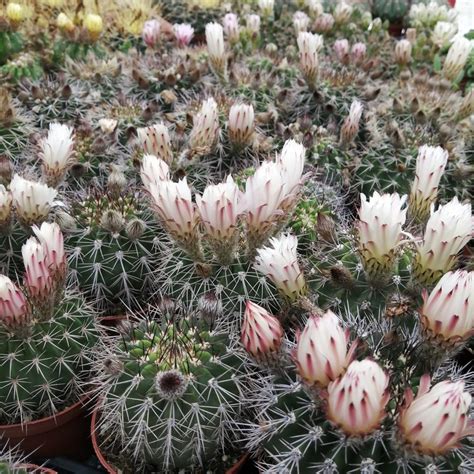
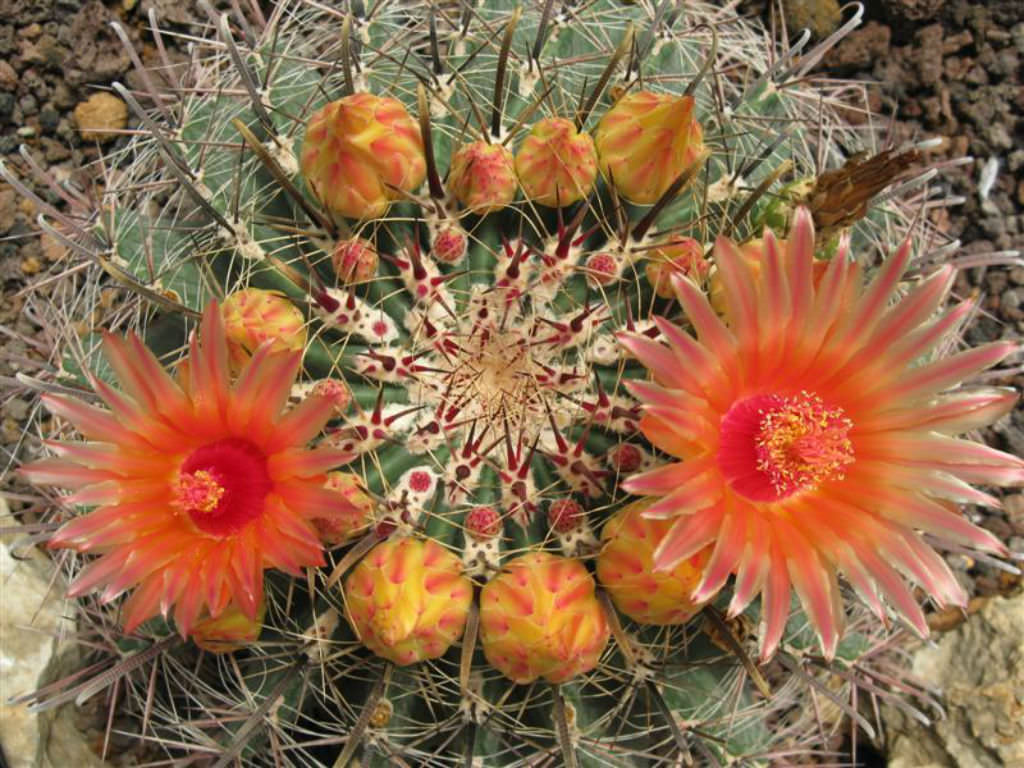
Acanthocalycium spiniflorum is characterized by its globular to slightly elongated shape. Typically, these cacti can reach diameters of up to six inches and heights approaching eight inches. The plant is adorned with prominent, robust spines that offer an intriguing contrast against its fleshy, green body. These features not only serve a protective function but also enhance its aesthetic value.
When it comes to growth, Acanthocalycium spiniflorum thrives in conditions that mimic its natural habitat. Here are the ideal requirements for optimal growth:
Sunlight Needs
This cactus species flourishes in bright, direct sunlight. For indoor growers, a south-facing window is most effective. Outdoors, ensure it receives at least 6 to 8 hours of sunlight daily. Insufficient light can lead to etiolation, where the cactus stretches and loses its characteristic compact shape. If you’re growing this cactus in a shaded area, consider relocating it to maximize its exposure to sunlight.
Temperature and Humidity
Acanthocalycium spiniflorum prefers temperatures ranging from 70°F to 85°F during the growing season, with a slight dip during its dormancy period in winter. Humidity levels should be kept low, as excessive moisture can lead to rot. In fact, this cactus is highly tolerant of dry indoor air, making it suitable for various home environments.
Soil Requirements
Providing the right soil mix is crucial for the healthy growth of Acanthocalycium spiniflorum. A well-draining cactus soil blend, preferably containing a mix of perlite, coarse sand, and potting soil, encourages healthy root development. A pH range of 6.0 to 7.5 is ideal. Proper drainage holes in the pot are vital to prevent standing water, which can be detrimental to the plant’s health.
Watering Techniques
Understanding when and how to water Acanthocalycium spiniflorum is key to its maintenance. During the active growing season in spring and summer, water ing is required every 1 to 2 weeks, allowing the soil to dry thoroughly between watering sessions. In contrast, reduce watering significantly in the fall and winter months, as the plant enters its dormancy phase. Overwatering is a common concern among growers, leading to root rot and other complications.
Encouraging Flowering: Essential Tips
One of the most captivating attributes of the Acanthocalycium spiniflorum is its vibrant and showy flowers. Ranging from pale yellow to deep orange, the blooms add a delightful aspect to the plant’s aesthetic appeal. To ensure a prolific flowering season, attention to care practices is essential. Here are some tips:
Achieving Proper Light Exposure
As previously mentioned, sufficient light is crucial for the thriving growth of Acanthocalycium spiniflorum. Enhanced light exposure is equally critical for flower development. During the growing season, consider supplementing natural light with artificial grow lights if natural conditions are lacking. This stimulation can help promote flowering when environments are less than ideal.
Fertilization Practices
Feeding your cactus with the right nutrients aids in encouraging blooming. Use a diluted, water-soluble cactus fertilizer during the active growing months. A balanced fertilizer with an N-P-K ratio of 10-10-10 or lower enhances overall growth and can promote flowering. Be cautious not to over-fertilize, as this could yield detrimental effects on plant health. A monthly feeding during the summer can be beneficial.
Temperature Variations
Acanthocalycium spiniflorum can benefit from a temperature drop during the night, especially prior to the expected blooming season. This temperature fluctuation mimics natural conditions and can trigger the flowering process. Additionally, winter rest should be observed, as it allows the plant to store energy for the next growth cycle and subsequent blooming. Protect your cactus from frost during colder months to maintain healthy growth.
Repotting and Pot Size
Repotting Acanthocalycium spiniflorum every couple of years is crucial for healthy growth. When repotting, choose a pot that is only slightly larger than the previous one to prevent excessive soil moisture retention. This ensures that the roots are neither constricted nor overly spread out in a garden pot. Disturbing the roots as little as possible during repotting will aid in maintaining health and potentially promote flowering.
Common Concerns
The successful cultivation of Acanthocalycium spiniflorum often raises inquiries about pest management and disease prevention. Regular monitoring for common pests such as spider mites and mealybugs is essential, as these can cause significant distress to your cactus. Yellowing on the plant may indicate nutrient imbalances or a pest infestation. Using neem oil or insecticidal soap can effectively mitigate these issues.
As for diseases, root rot is the most prevalent concern, often a direct result of overwatering. Implementing a stringent watering schedule and ensuring well-draining soil can significantly reduce these risks. Regularly check the root system for signs of rot when repotting, and prune any damaged roots as necessary.
Conclusion: Nurturing Your Acanthocalycium Spiniflorum
By cultivating a thorough understanding of the growth habits and needs of Acanthocalycium spiniflorum, enthusiasts can successfully nurture this enchanting cactus to not only thrive but also to flourish abundantly. With proper lighting, a well-balanced fertilizer routine, and vigilant care against pests, you can optimize the conditions for flowering. Each bloom signifies the successful implementation of ideal growing conditions, transforming care into a rewarding experience. With passion and careful attention, your Acanthocalycium spiniflorum can become a stunning testament to the art of cactus cultivation.
FAQ
How much light does Acanthocalycium spiniflorum need?
It needs bright, direct sunlight for at least 6 to 8 hours a day to grow healthily and flower.
What is the best watering schedule for this cactus?
Water it once every 1 to 2 weeks during spring and summer, allowing the soil to dry out completely between waterings, and water sparingly in fall and winter.
What type of soil is recommended?
A well-draining cactus soil mix with perlite and coarse sand is ideal to avoid water retention and root rot.
How can I encourage flowering?
Provide sufficient light, use a balanced fertilizer during the growing season, and allow for cooler temperatures at night and in winter.
What pests should I watch out for?
Spider mites and mealybugs are common pests; regular inspection and use of neem oil or insecticidal soap can help control them.

Leave a Reply