

Short Answer
In the world of horticulture, cacti stand as resilient marvels, thriving in arid climates and captivating enthusiasts with their unique morphology. However, alongside their beauty, it is crucial to understand the potential for allergic reactions when handling these spiny succulents. Individuals who find joy in gardening or simply encountering cacti in natural settings may unknowingly expose themselves to allergic reactions. This article delves into the nuances of allergic reactions to cactus and provides a comprehensive guide on how to manage such occurrences, offering insights that promise a shift in perspective regarding these remarkable plants.
Understanding Allergic Reactions to Cactus
The term ‘allergic reaction’ can evoke a myriad of symptoms, ranging from mild rashes to severe anaphylaxis. When it comes to cacti, the most common causes of allergic reactions are their spines and the various compounds found within their epidermis. Cacti contain an array of irritants, including alkaloids and enzymes that can provoke an immune response upon contact. This immune response varies significantly from person to person, influenced by genetic predispositions and prior exposure to allergens.
Symptoms typically manifest in localized skin irritations, characterized by redness, swelling, and itchiness. In more severe cases, histamine release can lead to systemic symptoms such as respiratory difficulties or systemic hives. Understanding these symptoms is the first step in differentiating cactus allergies from other forms of dermatitis or irritations.
The Spiny Encounter: What Happens When You Get Pricked?
Many who encounter cacti may inadvertently suffer a physical prick, leading to immediate discomfort and potential allergic reactions. The tiny glochids, barbed spines endemic to many cactus varieties, can lodge into the skin, aggravating the area around the entry site. This is where the fundamentals of cactus safety come into play.
When a spiny encounter occurs, the immediate course of action involves carefully removing the spines or glochids from the skin. Utilizing a pair of tweezers or sticky tape can aid in extraction. It is advisable to avoid vigorous scrubbing or washing, as this may exacerbate irritation rather than alleviate it. Following the removal, applying a topical antihistamine or corticosteroid cream can provide relief from itching and inflammation.
Extreme situations may warrant additional measures, such as consulting a healthcare provider for further assessment and potential prescription medication. Understanding the appropriate response not only enhances comfort but also ensures safety from cumulative exposure to allergens.
Identifying Symptoms: How to Recognize an Allergy
The challenge of identifying an allergic reaction to cactus lies in its similarity to other types of skin irritations. Several symptoms warrant attention:
– **Local Redness and Swelling:** This is frequently the initial reaction, often localized to the area of contact.
– **Pruritus:** An irresistible itch often accompanies the redness, further aggravating the skin.
– **Blistering:** In some cases, contact dermatitis can progress to blister formation, particularly if the allergen is not promptly addressed.
– **Systemic Reactions:** While rare, symptoms such as difficulty breathing, swelling of the lips or throat, and rapid heart rate indicate a severe allergic reaction and require immediate medical attention.
A detailed understanding of these symptoms allows individuals to respond swiftly and appropriately, ensuring that unpleasant experiences with cacti do not overshadow their beauty and ecological significance.
Prevention is Paramount: Staying Safe While Enjoying Cacti
The adage “an ounce of prevention is worth a pound of cure” resonates profoundly in the context of allergic reactions to cacti. Taking proactive measures can significantly diminish one’s risk of encountering adverse reactions.
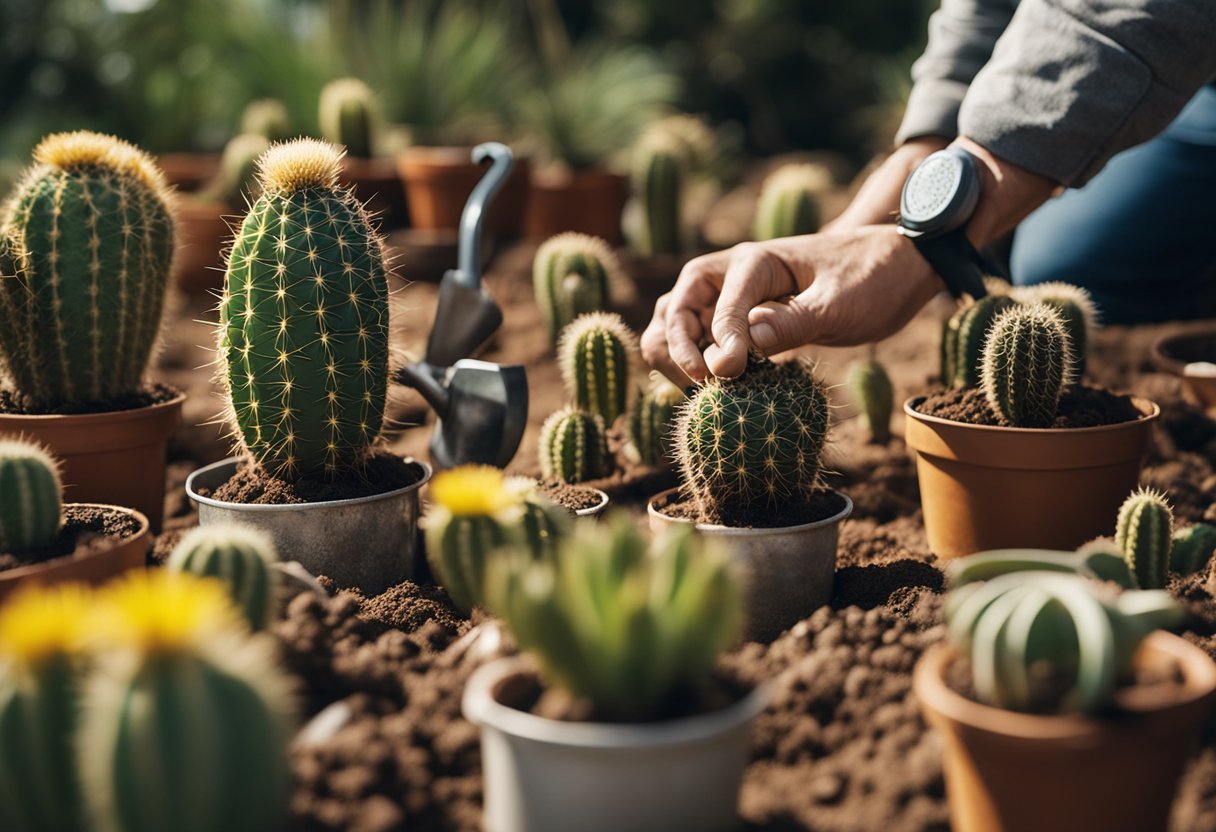
When gardening or tending to cacti, protective clothing such as long sleeves, gloves, and heavy-duty gardening pants can serve as barriers against spines and irritants. It’s advisable to approach cacti with tools rather than bare hands, utilizing tongs or specialized tools designed for handling spiny plants.
Education also plays a pivotal role. Familiarizing oneself with the specific cactus species in one’s environment, noting their potential irritants and hazardous characteristics, can empower individuals to make informed decisions about interaction. This knowledge fosters a respectful relationship with nature, where admiration for these plants can coexist with practical safety strategies.
Final Thoughts: Embracing Cacti with Caution
While cacti offer remarkable aesthetic and ecological benefits, awareness of potential allergic reactions is essential for anyone who interacts with them. Understanding the types of reactions, recognizing symptoms, and employing preventive measures can transform an ordinary interaction into a safe and enjoyable experience. Embracing cacti does not mean relinquishing caution; rather, it encourages a harmonious relationship built on respect and understanding, allowing enthusiasts to appreciate the unique beauty of these plants without compromising safety. Take the necessary precautions, educate yourself, and enjoy the extraordinary world of cacti with renewed enthusiasm and awareness.
FAQ
What are the common symptoms of an allergic reaction to cactus?
Common symptoms include localized redness, swelling, itching, blistering, and in severe cases, systemic symptoms such as difficulty breathing and swelling of the lips or throat.
How do I treat a cactus spine prick?
Carefully remove spines or glochids using tweezers or sticky tape, avoid scrubbing, and apply topical antihistamine or corticosteroid creams to reduce itching and inflammation.
When should I seek medical attention after a cactus-related allergic reaction?
Seek immediate medical help if you experience severe symptoms like difficulty breathing, swelling of the lips or throat, or rapid heart rate, as these indicate a serious allergic reaction.
How can I prevent allergic reactions when handling cacti?
Wear protective clothing such as gloves and long sleeves, use tools to handle cacti instead of bare hands, and educate yourself about the specific species and their irritants.

Leave a Reply