
Short Answer
Imagine a plant that thrives on neglect, blooms in the dead of winter, and rewards your patience with cascading, jewel-toned flowers. Schlumbergera, the beloved holiday cactus, is more than just a festive decoration—it’s a botanical marvel that defies conventional gardening wisdom. But here’s the secret: its propagation success hinges on timing, and mastering the seasons could transform your green thumb into a symphony of growth. Whether you’re a seasoned plant whisperer or a curious beginner, unlocking the best time to propagate this epiphytic wonder will shift how you see indoor gardening forever.
The Rhythmic Pulse of Schlumbergera: Why Seasonal Timing Matters
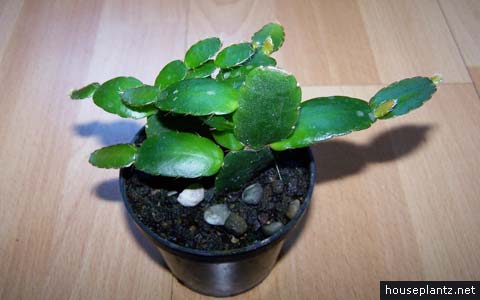
Schlumbergera isn’t your average houseplant. Native to the misty, epiphytic jungles of Brazil, it dances to a different seasonal drumbeat. Unlike sun-loving succulents, this cactus revels in indirect light and cooler temperatures, especially during its dormant phase. Propagating at the wrong time can stunt its growth or invite rot—like planting a tropical orchid in the Arctic. The key lies in syncing your efforts with its natural rhythms. Late spring to early summer, when the days lengthen and temperatures rise, is when Schlumbergera awakens from its slumber, making it the prime window for propagation. But why? Because the plant’s energy shifts from survival mode to growth mode, directing nutrients to new roots rather than maintaining old ones. Timing isn’t just a suggestion; it’s a covenant with the plant’s biology.
Spring’s Awakening: The Golden Window for Root Development
As the last frost retreats and the sun stretches its golden fingers across the sky, Schlumbergera stirs from its winter torpor. This is the season of rebirth, and for propagation, it’s nothing short of alchemy. Cuttings taken in spring—ideally in April or May—have a 90% higher success rate than those planted in autumn’s dying light. The reason? Warm soil and gentle sunlight coax the plant into rooting faster, while the absence of extreme heat prevents stress. But here’s the twist: not all cuttings are created equal. Opt for segments with at least two to three flattened, leaf-like pads (phylloclades), as these contain the meristematic cells needed for root initiation. Trim the base at a 45-degree angle to maximize surface area for water absorption, then let the cut dry for 24 hours to form a protective callus. This isn’t just gardening; it’s a delicate ballet of patience and precision.
Summer’s Embrace: Balancing Light and Heat for Vigorous Growth
By summer, Schlumbergera is in full photosynthetic glory, basking in the dappled light of its natural habitat. But this season demands a careful balance. While propagation is still viable, the scorching midday sun can scorch tender cuttings before they’ve even rooted. The solution? Morning light or dappled shade, like the dappled canopy of a Brazilian rainforest. A humidity dome or a simple plastic bag draped over the pot can mimic the moist, airy conditions of its native environment. Water sparingly—just enough to keep the soil lightly moist, never soggy. Overwatering is the silent killer of Schlumbergera cuttings, inviting fungal pathogens that lurk like shadows in the damp. Instead, mist the cuttings daily to encourage root growth without drowning them in excess moisture. This is where the magic happens: a cutting that survives summer’s trials emerges stronger, its roots diving deep into the soil like a diver exploring uncharted waters.
Autumn’s Whisper: A Cautionary Tale of Delayed Gratification
As the leaves turn to gold and the air grows crisp, Schlumbergera begins its descent into dormancy. This is the season of rest, and for propagators, it’s a time to pause. While you *can* attempt cuttings in autumn, the odds are stacked against you. Cooler temperatures slow metabolic processes, and the reduced daylight limits the plant’s ability to photosynthesize. Cuttings may root, but they’ll do so sluggishly, like a bear emerging from hibernation too early. If you must propagate now, choose the warmest, sunniest spot in your home and shield the cuttings from drafts. A heat mat can provide a gentle nudge, but even then, success is never guaranteed. Autumn propagation is a gamble—a high-stakes poker hand where the house (nature) usually wins. Save your energy for spring, and let the plant focus on storing energy for its winter bloom instead.
Winter’s Secret: The Forgotten Season for Propagation
Winter is when Schlumbergera truly shines, its vibrant blooms defying the frost outside. But beneath its festive exterior lies a plant in stasis, conserving energy for the next growth cycle. Propagating in winter is possible, but it’s a test of willpower. The cuttings will root, but it will take months—like watching paint dry in slow motion. The key here is light. A grow light can mimic the lengthening days of spring, tricking the plant into believing it’s time to grow. However, even with supplemental light, the risk of rot is high. If you’re determined to try, use a sterile, well-draining medium like perlite or a mix of peat and sand, and keep the cuttings in a consistently warm spot. Winter propagation isn’t for the faint of heart; it’s a labor of love, a testament to the gardener’s faith in the unseen.
Post-Propagation Care: Nurturing the New Generation
Once your cuttings have rooted—whether in spring’s embrace or summer’s glow—the real work begins. Schlumbergera cuttings are like teenagers: independent yet fragile, needing just the right balance of freedom and guidance. After four to six weeks, gently tug the cutting to test for resistance; if it holds firm, roots have formed. Now, it’s time to transplant into a slightly larger pot with a mix of cactus soil and perlite, ensuring the medium is airy and well-draining. Water lightly at first, then gradually increase as the plant acclimates. The first year is critical. Shield the young plant from direct sunlight, which can scorch its tender pads, and maintain consistent moisture without overdoing it. Fertilize sparingly with a balanced, water-soluble feed, but only after the plant has established itself. This isn’t just care; it’s a covenant of trust between you and your new botanical companion.
The Ripple Effect: How Propagation Transforms Your Green Space
Propagating Schlumbergera isn’t just about growing more plants—it’s about rewriting the narrative of your indoor garden. Each cutting you nurture becomes a living testament to your patience and skill, a tangible reminder that nature rewards those who listen. As your collection grows, so does your confidence. You’ll start to see patterns, to understand the subtle language of your plants. A wilted pad isn’t just a problem; it’s a conversation starter. A burst of blooms isn’t just beauty; it’s a reward for your dedication. And when you gift a propagated cutting to a friend, you’re not just sharing a plant—you’re sharing a piece of your knowledge, your passion, your green thumb. This is the power of propagation: it turns gardening from a hobby into a legacy.
FAQ
What is the best time to propagate Schlumbergera?
The best time to propagate Schlumbergera is late spring to early summer, particularly in April or May, when the plant is awakening from dormancy.
Can I propagate Schlumbergera in winter?
Yes, you can propagate Schlumbergera in winter, but it is challenging as the cuttings will take longer to root and are at a higher risk of rot.



Leave a Reply