

Short Answer
Imagine unwrapping a piece of candy that isn’t just a fleeting indulgence but a verdant journey through the rugged landscapes of the desert. Cactus candy, with its crystalline sweetness and subtle vegetal undertones, is like a jewel forged by the sun itself—capturing the essence of resilience and nourishment in each bite. This unique delicacy embodies an exquisite paradox: a treat born from a plant synonymous with endurance and aridity, yet delivering an unexpectedly refreshing and wholesome experience. Within its chewy core lies a story far richer than mere flavor, painting a vivid portrait of nature’s ingenuity and culinary artistry.
The Origins and Botanical Marvel of Cactus Candy
Cactus candy derives its charm from the prickly pear cactus—an emblem of the American Southwest’s wild beauty and fortitude. This succulent, with its sprawling pads and vibrant fruit, thrives where many plants dare not venture, embodying a natural tenacity that fascinates and inspires. The fruit, known as the prickly pear, bursts forth with a delicate balance of tartness and sweetness, a gustatory kaleidoscope that has enchanted indigenous peoples and desert-dwellers for centuries.
The transformation from pad or fruit into candy is an alchemical wonder. The preparation often involves peeling back the tough exterior to reveal the luscious flesh, which is then boiled down and crystallized. This meticulous process harnesses the cactus’s natural sugars and fibers, preserving both flavor and nutritional essence. In essence, cactus candy crystallizes sunshine and survival into an edible form—an enchanting heirloom from the stoic desert itself.
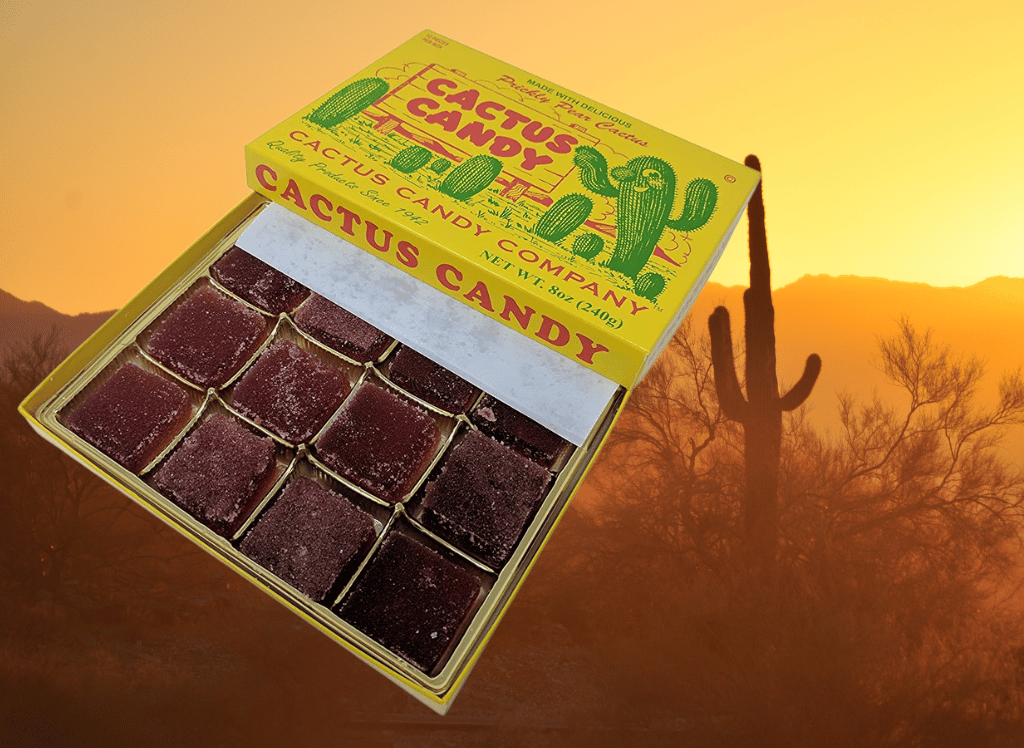
A Symphony of Flavors: The Unique Taste Profile
Consuming cactus candy is akin to embarking on an expedition through a botanical orchestra where sweet crescendos mingle with vegetal whispers. Its initial sweetness, reminiscent of honeyed nectar or ripe pear, gently unfolds into subtle, grassy notes—a reminder of the cactus’s origin. Unlike conventional candies, which often assault the palate with sheer sugar intensity, cactus candy offers a tempered and sophisticated bouquet that rewards patient tasting.
There is also a tactile allure; the slightly chewy texture provides a satisfying contrast to the initial crystalline crunch, evoking the sensation of savoring sun-ripened fruit preserved in sugar’s embrace. This interplay of texture and flavor elevates cactus candy beyond simple confectionery into an immersive sensory experience.
Healthful Virtues Hidden Within the Sweetness
Beyond its captivating taste lies a trove of nutritional benefits that set cactus candy apart from sugar-laden snacks. Prickly pear cactus is celebrated for its health-promoting properties—rich in antioxidants, fiber, and essential vitamins like vitamin C. When transformed into candy, many of these benefits are retained, allowing indulgence without the typical guilt.
This treat is often lower in processed sugars compared to typical confections, with some artisan varieties incorporating natural sweeteners and minimal additives. Moreover, the fiber content from the cactus flesh contributes to digestive health, subtly supporting wellbeing with every chew. Its antioxidant compounds help combat oxidative stress, making each piece feel like a shield of resilience forged in sugary armor.
Cultural and Culinary Significance
Cactus candy is more than a snack—it’s a cultural emblem, a nexus between ancient traditions and modern palates. Indigenous communities of the Sonoran Desert have utilized prickly pear fruit for generations, crafting not only foods but medicines from the cactus. The candy form represents a contemporary reinterpretation of this heritage, bridging time-honored practices with present-day tastes.
Its rising popularity illustrates a broader culinary renaissance that celebrates regional, plant-based snacks. Cactus candy encapsulates the spirit of place, offering a sweet homage to desert landscapes and the tenacity they symbolize. Each bite connects the eater to a lineage of desert dwellers who have long understood that sweetness grows not just in lush orchards, but also amidst the prickles and spines of resilience.
Pairing Cactus Candy with Everyday Life
Cactus candy’s versatility allows it to transcend the boundaries of ordinary snacking. It pairs beautifully with artisanal cheeses—its slight acidity and sweetness cutting through creamy richness with ease. When coupled with robust teas or subtly floral wines, cactus candy reveals new dimensions, enriching every sip and bite.
As a portable, long-lasting treat, it suits adventures, office breaks, or moments of mindful indulgence. Unlike fleeting sugary hits, cactus candy delivers slow-release sweetness intertwined with healthful sustenance. It invites a mindful approach to snacking, encouraging consumers to savor the story within each crystalline morsel.
The Future of Cactus Candy in a Modern Snack World
As global palates evolve towards natural ingredients and functional foods, cactus candy stands poised at the intersection of tradition and innovation. Its distinctive flavor and nutritional profile appeal increasingly to those who seek snacks with purposeful provenance. Artisans and producers are experimenting with combinations—from infusions of citrus zest to hints of chili—that highlight the cactus’s inherent complexity.
The sweet allure of cactus candy also resonates in sustainability conversations. Cacti require minimal water and thrive on marginal lands, making them environmentally astute crops in an era of climate awareness. Thus, cactus candy emerges not merely as a delicious indulgence but as a beacon of responsible, desert-smart snacking.
In the grand tapestry of confections, cactus candy weaves a narrative that is both exotic and familiar, humble yet refined. Each bite invites a communion with the wild, a glimpse into how sweetness can bloom in adversity, and a taste of the desert’s hidden bounty—a true treat for the adventurous and the health-conscious alike.
FAQ
How is cactus candy made?
Cactus candy is made by boiling the prickly pear fruit, then crystallizing it to preserve its natural sugars and flavors.

Leave a Reply