
Short Answer
Have you ever paused to consider the silent sentinels of the desert—the humble cacti? These spiky survivors, with their stoic endurance and architectural elegance, are far more than just prickly adornments of arid landscapes. They are living testaments to nature’s tenacity, and some of their genera have teetered on the brink of oblivion, only to be rescued by the relentless efforts of conservationists. But what happens when the very spines that protect them become their greatest vulnerability? Let’s embark on a journey through the thorny triumphs and precarious challenges of cactus conservation, where every saved species is a story worth telling.
The Vanishing Giants: Why Cactus Genera Faced Extinction
Imagine a world where the saguaro’s towering arms no longer pierce the desert sky, where the ghostly white blooms of the Pediocactus no longer dance in the moonlight. This was the looming reality for several cactus genera as habitat destruction, illegal poaching, and climate change conspired to push them toward extinction. Urban sprawl devoured their native soils, while the black-market trade in rare cacti turned their unique forms into trophies for collectors. Climate shifts, too, played a cruel joke—droughts parched their roots, and unseasonal frosts shattered their delicate tissues. The Turbinicarpus, a genus of tiny, jewel-like cacti, became a poster child for this crisis, with some species reduced to fewer than 100 individuals in the wild. The question isn’t just why these cacti were at risk, but how anyone could let such botanical marvels slip through their fingers.
Yet, the cactus’s very resilience—its ability to store water for years and thrive in conditions that would kill most plants—also made it a target. Collectors prized species like Lophophora williamsii, the peyote cactus, for its psychoactive properties, while others fell victim to the ornamental trade. The irony? These plants, evolved to survive the harshest conditions, were undone by human greed and carelessness. Conservationists soon realized that saving them would require more than just fences and signs—it would demand a full-scale botanical rescue mission.
The Unsung Heroes: Conservation Strategies That Worked
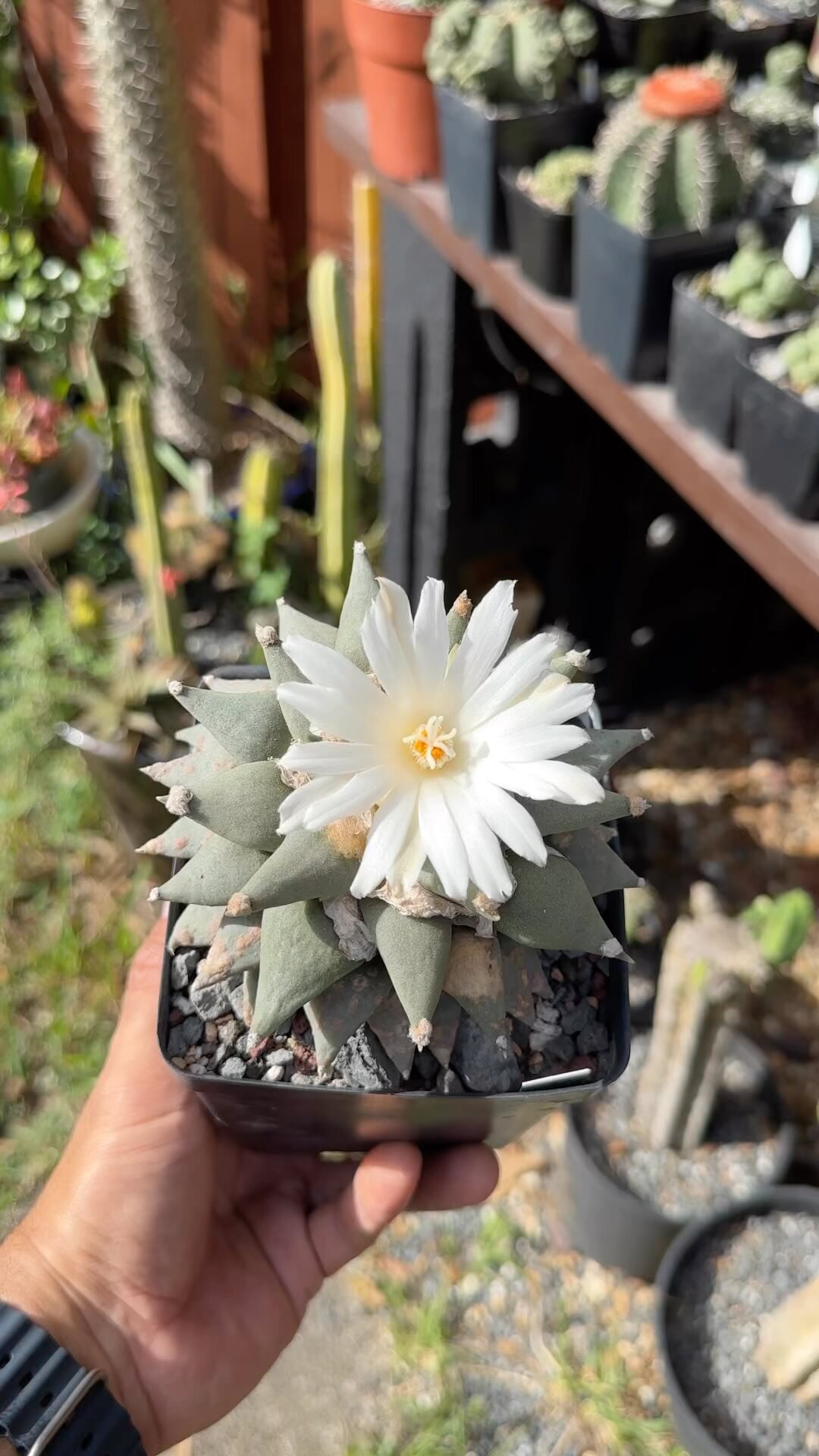
Enter the cactus whisperers—botanists, indigenous communities, and conservationists who refused to let these spiky survivors fade into obscurity. Their strategies were as varied as the cacti themselves. Ex-situ conservation, for instance, became a lifeline. Botanical gardens and seed banks, like those in Tucson and Mexico City, began cultivating endangered species in controlled environments, preserving genetic diversity like a priceless heirloom. The Ariocarpus genus, with its slow-growing, geometric forms, was one of the first to benefit, its seeds carefully nurtured until they could be reintroduced to their native habitats.
But conservation isn’t just about growing plants in a lab—it’s about restoring ecosystems. Habitat rewilding projects, such as those in the Chihuahuan Desert, focused on removing invasive grasses and reintroducing native flora to create a balanced environment where cacti could thrive. Indigenous communities, too, played a pivotal role. The Tohono O’odham people, for whom the saguaro is sacred, worked alongside scientists to monitor wild populations and educate visitors about the cactus’s cultural and ecological significance. Their traditional knowledge proved invaluable in understanding the subtle cues—like soil moisture and pollinator patterns—that dictate a cactus’s survival.
Then there’s the legal armor—international treaties like CITES (Convention on International Trade in Endangered Species) that clamped down on the illicit trade of rare cacti. By classifying certain species as protected, these agreements made it harder for poachers to traffic in living botanical treasures. Yet, enforcement remains a challenge, as smugglers find ever more creative ways to bypass regulations. The battle against extinction isn’t just fought in the field; it’s a global chess game where every move counts.
The Thorny Path: Challenges That Still Loom Large
For all the victories, the road to cactus conservation is far from smooth. One of the biggest hurdles? Climate change. As temperatures rise and rainfall patterns shift, even protected habitats can become inhospitable. The Echinomastus genus, for example, relies on precise seasonal cues to flower and reproduce. A single degree of warming can disrupt its life cycle, leaving it stranded in a world that no longer suits it. Conservationists are now racing to create “climate refuges”—microhabitats where cacti can escape the worst of the heat—before it’s too late.
Another challenge is public perception. Many people still view cacti as low-maintenance novelties, perfect for neglectful gardeners or Instagram backdrops. Few realize that a Mammillaria purchased at a big-box store might hail from a critically endangered wild population. Education campaigns have begun to shift this mindset, emphasizing the importance of sourcing cacti from ethical nurseries. Yet, the demand for cheap, exotic plants persists, fueling a shadow market that conservationists are struggling to dismantle.
And then there’s the genetic bottleneck. When a species’ population dwindles to just a handful of individuals, inbreeding becomes a silent killer. The Escobaria genus, once widespread across the Southwest, now faces this threat. Without genetic diversity, these cacti become vulnerable to disease and environmental stress. Scientists are experimenting with assisted gene flow—introducing genetic material from distant populations to bolster resilience—but the process is delicate and not without risks.
Success Stories: When Conservation Wins
Despite the odds, there are cactus conservation victories that warm the heart. Take the Pediocactus knowltonii, a tiny, federally endangered cactus from New Mexico. In the 1990s, its wild population was estimated at just 100 individuals. Through a combination of habitat protection, legal safeguards, and meticulous propagation, its numbers have rebounded to over 10,000. Today, it stands as a symbol of what’s possible when science, policy, and passion align.
Another triumph is the Turbinicarpus alonsoi, a critically endangered species from Mexico. Once thought to be extinct in the wild, a single surviving plant was discovered in 2008. Botanists sprang into action, propagating cuttings and seeds to create a safety net population. Thanks to these efforts, the species now thrives in both ex-situ collections and carefully managed wild sites. It’s a reminder that even the rarest of plants can stage a comeback—if given half a chance.

The Future of Cactus Conservation: What’s Next?
The fight to save cactus genera from extinction is far from over, but the tools at our disposal have never been sharper. Citizen science is emerging as a game-changer, with apps like iNaturalist empowering ordinary people to document cactus sightings and report illegal activity. Meanwhile, genomic sequencing is unlocking secrets of cactus DNA, helping scientists identify resilient traits that could be bred into endangered species.
Yet, the most critical factor may be policy innovation. Some conservationists are pushing for “cactus credits”—a system where landowners are rewarded for protecting cactus habitats, much like carbon credits incentivize reforestation. Others advocate for stricter penalties on illegal cactus trade, with penalties that reflect the true value of these living treasures. The challenge? Convincing governments that a plant’s worth isn’t just in its beauty, but in its role as a linchpin of desert ecosystems.
As we look ahead, one thing is clear: the fate of cactus genera hangs in the balance. Will we act in time to save these botanical marvels, or will future generations know them only through faded photographs and museum exhibits? The answer lies in our willingness to confront the thorns on the path to conservation—and to recognize that every saved cactus is a victory for biodiversity itself.
FAQ
What are cactus conservation success stories?
Cactus conservation success stories highlight the efforts made to save cactus genera from extinction through strategies like habitat protection and propagation.
Why are cacti endangered?
Cacti are endangered due to habitat destruction, climate change, and illegal collection for ornamental purposes.
What role do indigenous communities play in cactus conservation?
Indigenous communities contribute traditional knowledge and actively participate in monitoring and educating about cactus conservation.




Leave a Reply