
Short Answer
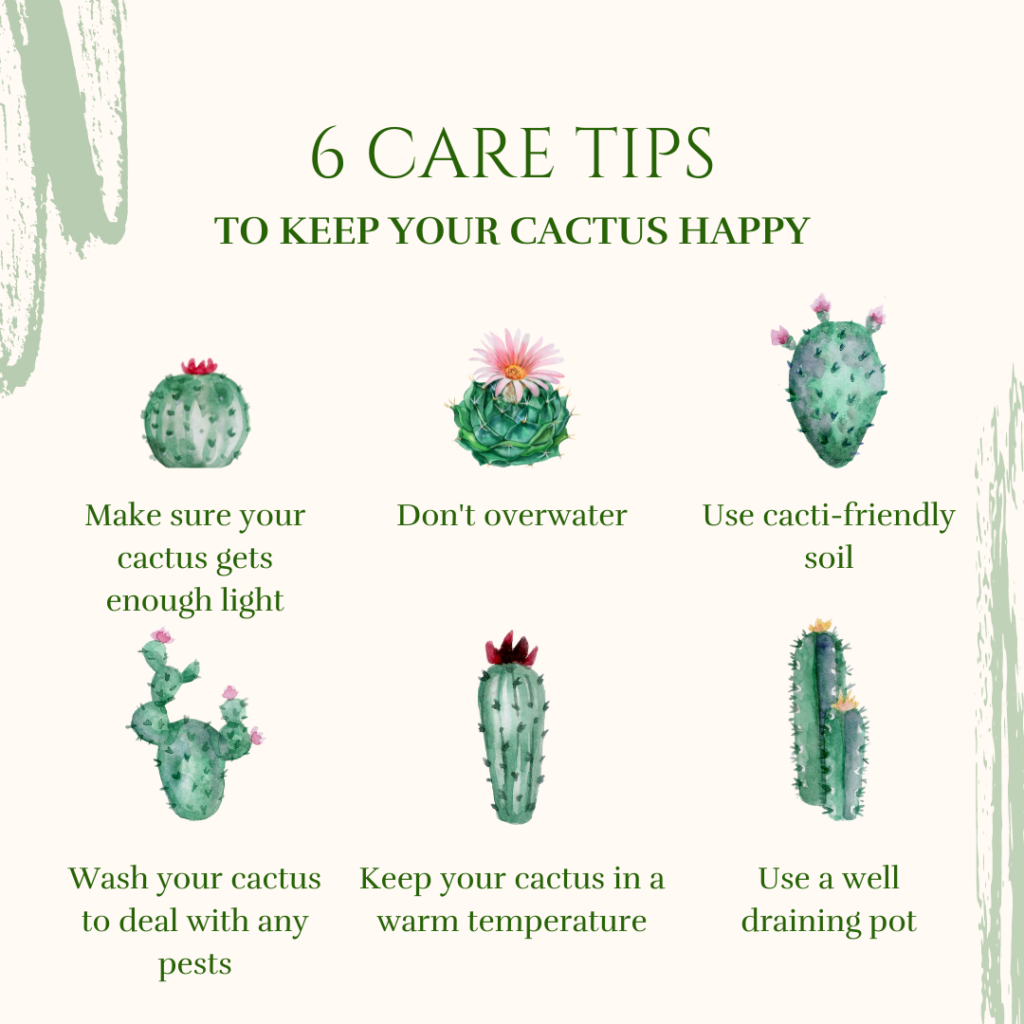
Imagine watching your cactus thrive, rapidly evolving from a small, unassuming sprout to a majestic desert sentinel, stretching skyward with vitality and vigor. Cacti evoke resilience, but accelerating their growth transcends mere patience—it demands insight, precision, and a sprinkle of horticultural wizardry. Prepare to overturn conventional wisdom as we delve into expert tips that promise to transform how you nurture these spiny marvels.
Understanding the Anatomy of Cactus Growth
Before unraveling strategies to expedite growth, it’s pivotal to appreciate the unique biology of cacti. Unlike lush foliage plants, cacti utilize specialized water-storage tissues called plectenchyma, enabling them to survive arid conditions. Their growth phases fluctuate between dormancy and active periods, typically synchronized with environmental cues like temperature and light. Grasping these intrinsic cycles primes you to tailor interventions that coax your cactus to flourish remarkably faster.
Optimizing Light Exposure—Beyond the Ordinary
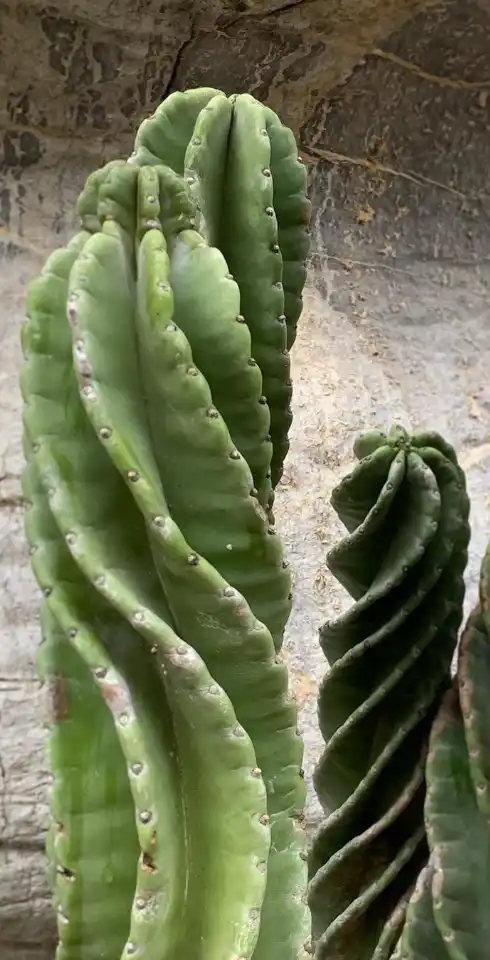
Light is the elixir of photosynthesis, the engine driving cactus growth. But it’s not just about basking your plant in sunlight. The intensity, duration, and spectrum of light play nuanced roles. While cacti love bright, direct light, filtered sunlight mimicking natural desert dawns and dusks can prevent scorching while spurring steady expansion. Employing full-spectrum grow lights that replicate the sun’s natural rhythm can synchronize your cactus’s internal clock, encouraging accelerated but healthy elongation.

Mastering Soil Composition: The Hidden Catalyst
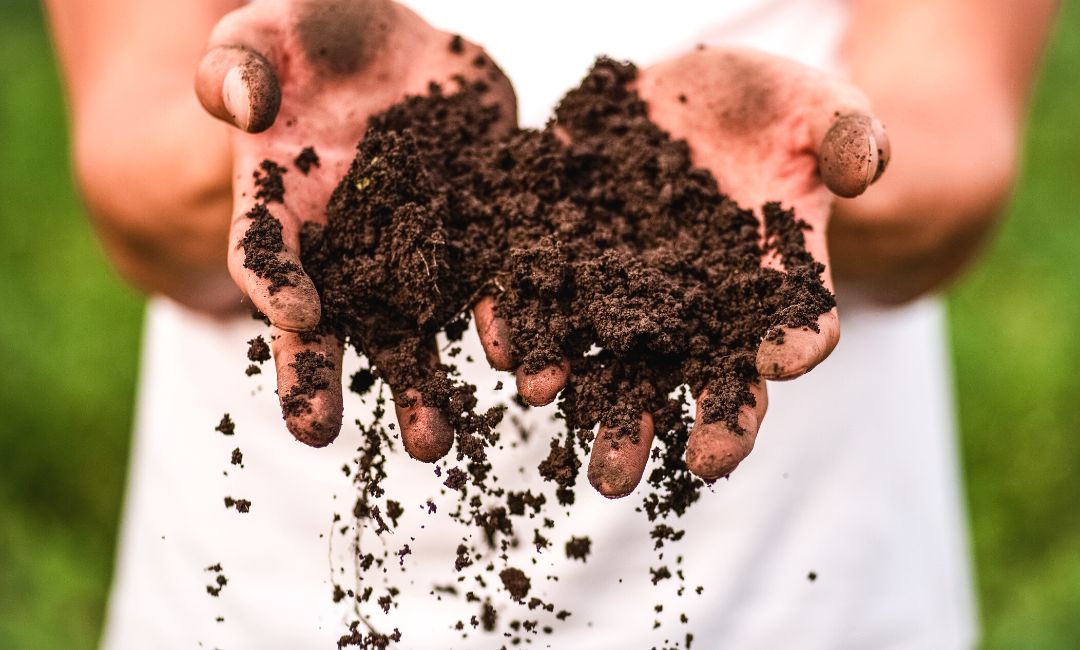
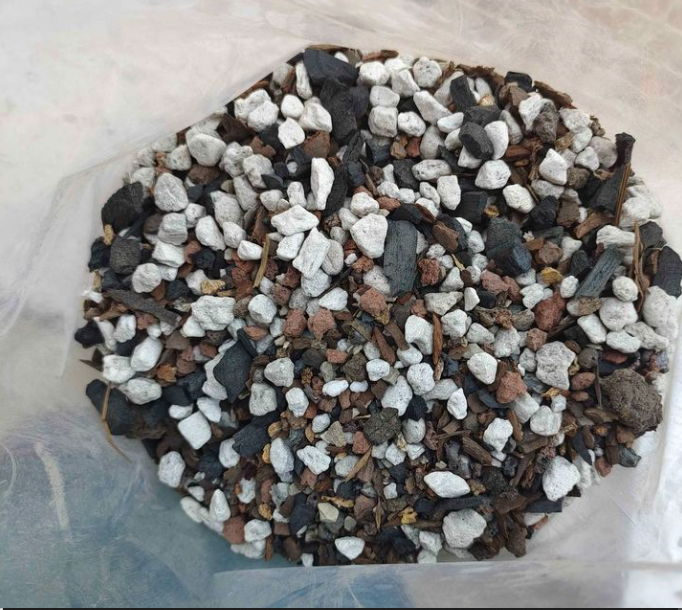
Soil isn’t just a vessel; it’s a dynamic habitat that dictates water retention, root aeration, and nutrient availability—crucial determinants for rapid cactus growth. A proprietary blend that mimics the desert’s gritty substrate works wonders. Integrate well-draining elements such as pumice, perlite, and coarse sand with a hint of organic humus to provide essential micronutrients. This texture prevents root rot while fostering a labyrinth of vigorous roots, forming the foundation for accelerated upward and lateral growth.
The Watering Enigma: When Less Means More
Watering cacti might seem straightforward, yet missteps here often thwart growth spurts. The key lies in embracing the paradox of their survival strategy: drought tolerance necessitates periodic deep watering followed by thorough drying. Overwatering suppresses root respiration and invites fungal maladies, stalling development. Instead, employ a “soak and dry” method, ensuring the soil dries out thoroughly between watering cycles. This mimics desert rainfall patterns, coaxing your cactus into an energetic growth rhythm without risking hydration-induced shock.
Temperature and Humidity: Crafting the Optimal Microclimate
Temperature modulation is a subtle art. Cacti prosper in warm climates but also require cooler nights to activate growth hormones like gibberellins. A diurnal temperature variation—warm days near 75-85°F (24-29°C) and cooler nights around 50-60°F (10-16°C)—stimulates cell elongation and division. Humidity, while generally low in deserts, plays a minor role; maintaining moderate humidity (around 30-40%) prevents desiccation stress without inviting fungal issues. Controlling these factors indoors can replicate the desert’s natural cadence, forging a pro-growth milieu.
Feeding Your Cactus: The Art of Fertilization
Boosting cactus growth demands more than occasional feeding; it requires precision nutrition. Use a balanced, low-nitrogen fertilizer optimized for succulents—think formulations with ratios like 5-10-10, emphasizing phosphorus and potassium to promote root and flower development. Apply dilute fertilizer only during active growth seasons (spring and summer). Over-fertilization can cause “fertilizer burn,” stunting the plant, so moderation paired with consistency is your golden rule for accelerated, healthy growth.
Pot Size and Repotting: Giving Roots Room to Roam
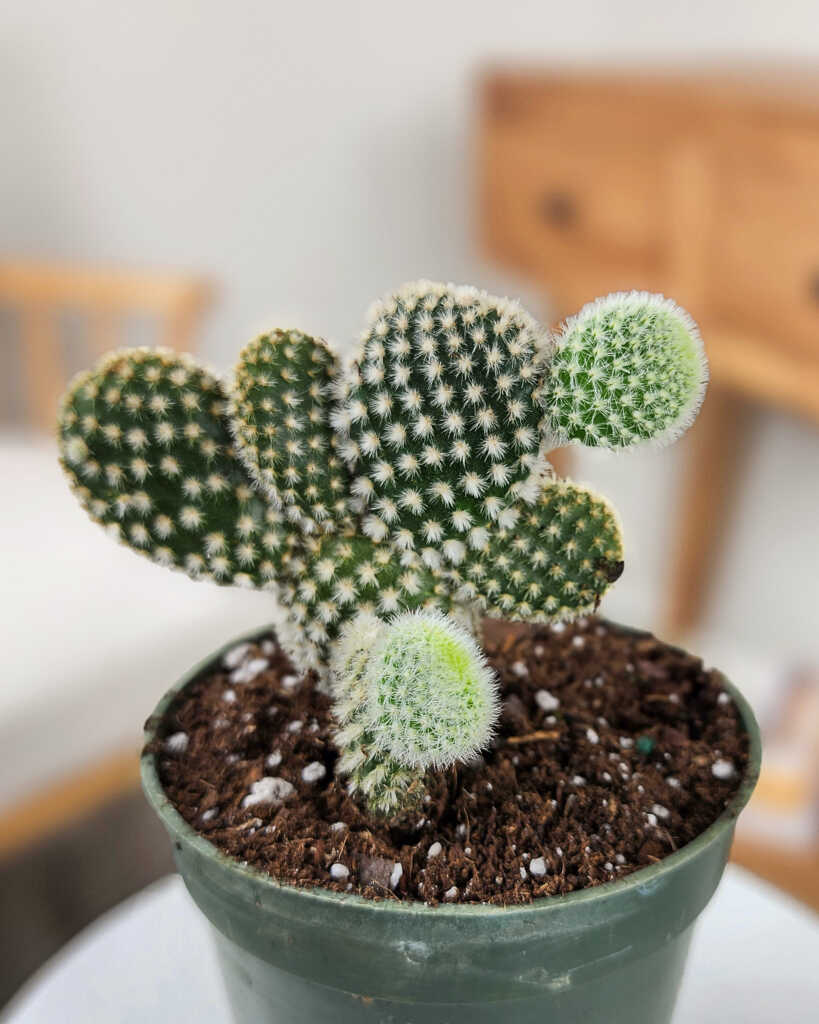
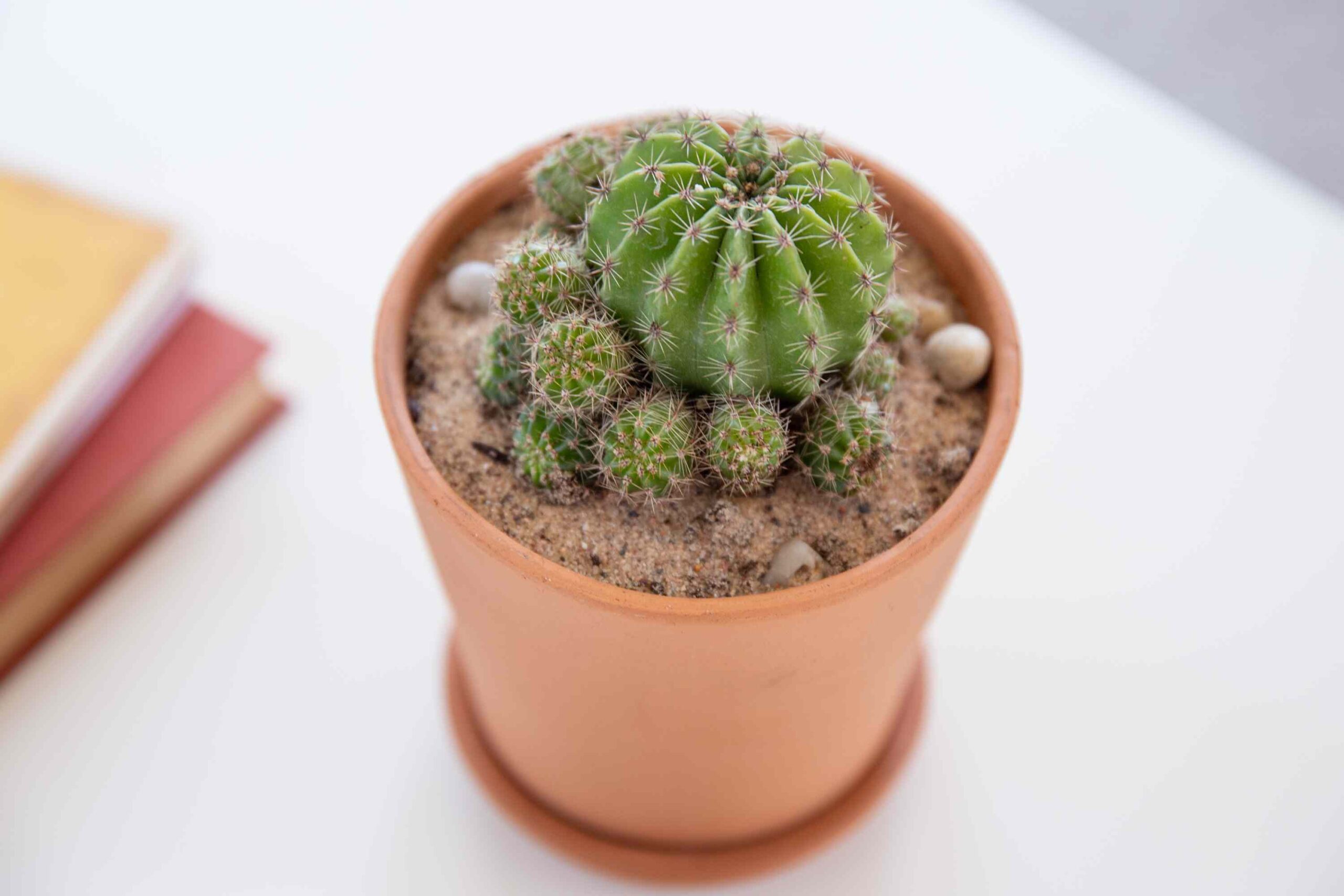
Roots dictate the vertical climb of your cactus. Crowded roots lead to nutrient competition and stunted development. Repotting your cactus into progressively larger containers every couple of years encourages root expansion and nutrient uptake. Opt for pots with ample drainage holes and breathable materials like terracotta, which wick excess moisture away and foster a healthier root environment. This subtle upgrade can unleash rapid physical transformation in your cactus’s stature.
Pruning and Training: Sculpting Growth Direction
While not a common practice for cacti, selective pruning and gentle training can redirect energy toward new growth points. Removing dead or damaged segments reduces resource drainage, encouraging robust tissue regeneration. For columnar species, supporting vertical growth with stakes or softly tying sections can promote straighter, accelerated elongation. This horticultural choreography enhances growth rates while maintaining aesthetic vitality.
Encouraging Flowering for Growth Hormone Activation
Flowering isn’t just a visual delight—it signals hormonal cascades that galvanize cellular activity throughout the cactus. Gently inducing flowering through proper light cycles and cooler winter temperatures can spark a multisystem growth acceleration. Remember, stress is often a flowering trigger; slight controlled stress—such as temporary water reduction—can trigger blooms that jazz up your cactus’s growth physiology.
Harnessing Propagation for Exponential Growth
Sometimes speeding growth isn’t about one individual plant but expanding your collection swiftly through propagation. Techniques such as grafting or cuttings allow you to cultivate vigorous young cacti that establish rapidly. Grafting onto hardy rootstocks supercharges growth rates exponentially compared to seed germination, offering a shortcut to mature plants with impressive stature.
By integrating these advanced strategies, you unlock a new realm of cactus cultivation—transforming slow, incremental growth into a flourishing spectacle of desert-inspired splendor. A cactus’s journey from seedling to stately sentinel need not be a slow pilgrimage but a vibrant expedition fueled by expert care and enlightened intervention.
FAQ
What is the best way to speed up cactus growth?
To speed up cactus growth, optimize light exposure, use well-draining soil, follow a proper watering schedule, maintain ideal temperature and humidity, and apply the right fertilizers.
How often should I water my cactus?
Water your cactus deeply but infrequently, allowing the soil to dry out completely between waterings, typically every 2-3 weeks.
FAQ
What is the best soil for cactus growth?
A well-draining soil mix that includes pumice, perlite, and coarse sand is ideal for cactus growth.
How often should I water my cactus?
Water your cactus deeply but infrequently, allowing the soil to dry out completely between waterings.
What light conditions do cacti prefer?
Cacti thrive in bright, direct sunlight but can benefit from filtered light to prevent scorching.
Leave a Reply