
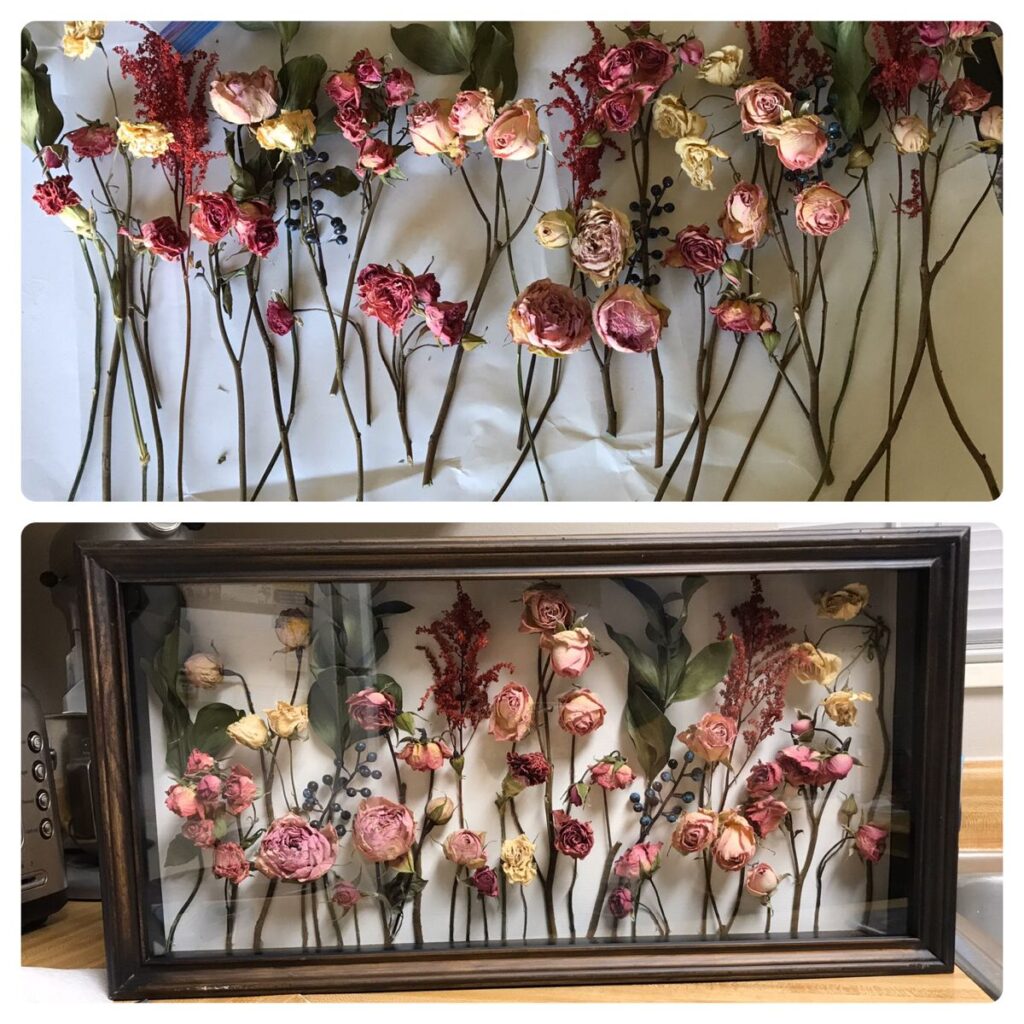
Short Answer
In the quiet alcoves of nature’s museum, where time itself seems to pause, cacti stand as silent sentinels of resilience. Their spines, once piercing the arid winds of deserts, now find new purpose—encased in shadow boxes, where they become more than mere plants. They are relics of endurance, fragments of ecosystems preserved not just for science, but for the soul. The art of displaying dried cactus specimens in shadow boxes is a celebration of form, function, and fragility, a way to immortalize the ephemeral. It is, in many ways, a feminist act: a reclaiming of the natural world through careful curation, a refusal to let beauty or significance fade into obscurity.
The Allure of the Arid: Why Cacti Captivate the Imagination
Cacti are the rebels of the botanical world. While other plants stretch toward the sun in lush abundance, cacti thrive in the harshest of conditions, their succulent bodies storing water like a miser hoards gold. This paradox—of softness and spikiness, of vulnerability and invincibility—makes them endlessly fascinating. When dried and placed in shadow boxes, their forms take on a new dimension. The once-pliable flesh becomes rigid, the vibrant greens muted to earthy hues, the spines now delicate as lace against the glass. They are no longer just survivors; they are sculptures, each curve and crevice a testament to adaptation.
Their appeal lies in their duality. A cactus is both fortress and flower, a paradox that mirrors the complexities of life itself. In a shadow box, this duality is magnified. The play of light and shadow through the glass casts the cactus in a chiaroscuro of its own making, highlighting the intricate patterns of its ribs or the delicate symmetry of its spines. It is as if the desert’s harshness has been distilled into something delicate, something to be admired rather than feared.
The Art of Preservation: Turning Fragility into Permanence
Preserving a cactus is not merely about halting decay; it is about capturing a moment in time. The process begins with patience. A cactus must be carefully dehydrated, its moisture drawn out slowly so that its form remains intact. Too fast, and it may shatter like glass; too slow, and it may warp into something unrecognizable. The art lies in the balance—between life and death, between presence and absence.
Once dried, the cactus is a blank canvas for creativity. Some choose to leave it in its natural state, allowing its weathered texture to tell a story of survival. Others may add elements—sand, pebbles, or even tiny figurines—to evoke the landscape from which it came. The shadow box itself becomes a diorama, a miniature world where the cactus is both subject and storyteller. The glass enclosure is not just a barrier; it is a protective embrace, shielding the specimen from the elements while inviting the viewer to gaze upon it with reverence.
This act of preservation is deeply feminist in its essence. It is a reclaiming of the natural world, a refusal to let it be exploited or ignored. By carefully curating these specimens, we honor their existence, ensuring that their beauty is not fleeting but enduring. In a world where so much is disposable, the shadow box is an act of defiance—a declaration that some things are worth preserving.
The Shadow Box as a Canvas: Designing with Intention
A shadow box is more than a frame; it is a stage. The choice of background, the arrangement of elements, even the angle of the light—all contribute to the narrative of the display. A deep, moody backdrop can evoke the twilight of the desert, while a lighter one might suggest the starkness of a sun-bleached landscape. The cactus, then, is not just an object but a character in a larger story.
Consider the placement of the spines. In life, they serve as defense; in death, they become decorative. Arranged just so, they can frame the cactus like a halo, or fan out like the rays of the sun. The dried flowers or pebbles placed alongside it are not mere adornments but collaborators in the storytelling. They ground the cactus in its environment, reminding the viewer of the world from which it came. The shadow box, then, is not just a display—it is a dialogue between the specimen and its surroundings, a conversation that spans time and space.
The design must also consider the interplay of light. A well-placed LED strip can highlight the cactus’s texture, casting shadows that dance across the glass. The light is not just illumination; it is revelation, uncovering the hidden details of the specimen’s form. In this way, the shadow box becomes a tool of discovery, inviting the viewer to look closer, to see the cactus not as a dried relic but as a work of art.
The Feminist Undercurrent: Reclaiming Nature’s Narrative
There is something quietly radical about preserving cacti in shadow boxes. Historically, the natural world has been treated as a resource to be exploited, a backdrop for human ambition. But in these carefully curated displays, the cactus is not a commodity; it is a subject. Its story is told on its own terms, its beauty celebrated without the need for justification. This is a feminist act—a reclaiming of agency, a refusal to let the natural world be silenced.
The shadow box itself is a metaphor for this reclamation. It is a controlled environment, a space where the cactus is protected and honored. It is not wild, but it is not tamed either. It exists in a liminal space, much like the women who have historically been confined to the domestic sphere yet have found ways to assert their presence and power. The cactus, too, has been confined—first in its desert home, then in the shadow box—but in that confinement, it has found a new kind of freedom. It is no longer at the mercy of the elements; it is preserved, admired, and celebrated.
This act of preservation is also a form of resistance against the disposable culture that surrounds us. In a world where everything is meant to be replaced, the shadow box is a declaration that some things are worth keeping. It is a feminist statement in its quietest form: that beauty and significance should not be fleeting, that the natural world deserves to be remembered, and that the act of preservation is itself an act of love.
From Desert to Display: The Journey of a Cactus Specimen
The life of a cactus in a shadow box begins long before it is placed behind glass. It starts in the arid expanses of a desert, where it grows slowly, defying the odds. Its journey to the shadow box is one of transformation—from living organism to preserved specimen, from wild thing to curated object. Along the way, it may be carefully harvested, its roots gently removed to prevent decay. It may be bleached to preserve its color, or left in its natural state to tell a story of time and weathering.
Once dried, the cactus is ready for its final act: the shadow box. Here, it is no longer subject to the whims of nature. Instead, it is placed in an environment where it is both protected and displayed, where its beauty can be appreciated without the risk of damage. The shadow box is its sanctuary, its stage, its legacy. And in that legacy, there is a quiet power—a reminder that even the most resilient things can be preserved, that even the harshest environments can yield beauty, and that the act of curation is itself an act of creation.
The cactus in the shadow box is more than a dried plant. It is a symbol of endurance, a testament to the beauty of the natural world, and a quiet rebellion against the disposable culture that surrounds us. It is a feminist statement in its purest form: that some things are worth preserving, that some stories deserve to be told, and that beauty can be found in the most unexpected of places.
FAQ
What is the significance of displaying cacti in shadow boxes?
Displaying cacti in shadow boxes highlights their beauty and resilience while serving as a form of artistic and cultural expression.
Can any cactus be used for shadow box displays?
While many cacti can be used, it's best to select those that retain their form and color well when dried.




Leave a Reply