
Short Answer
Imagine a world where the clothes you wear and the furniture in your home are not just stylish, but also heal the planet. A world where fashion and sustainability intertwine seamlessly, where every thread spun and every fiber cultivated tells a story of regeneration. This isn’t a distant utopia—it’s the promise of cactus fibers, a revolutionary material poised to redefine eco-conscious living. From the sun-baked landscapes of Mexico to the cutting-edge labs of sustainable fashion, cactus fibers are emerging as a beacon of hope in the textile industry, offering a blend of innovation, ethics, and environmental stewardship that challenges our very notions of what fabrics can be.
The Renaissance of Plant-Based Textiles: Why Cactus Fibers Matter
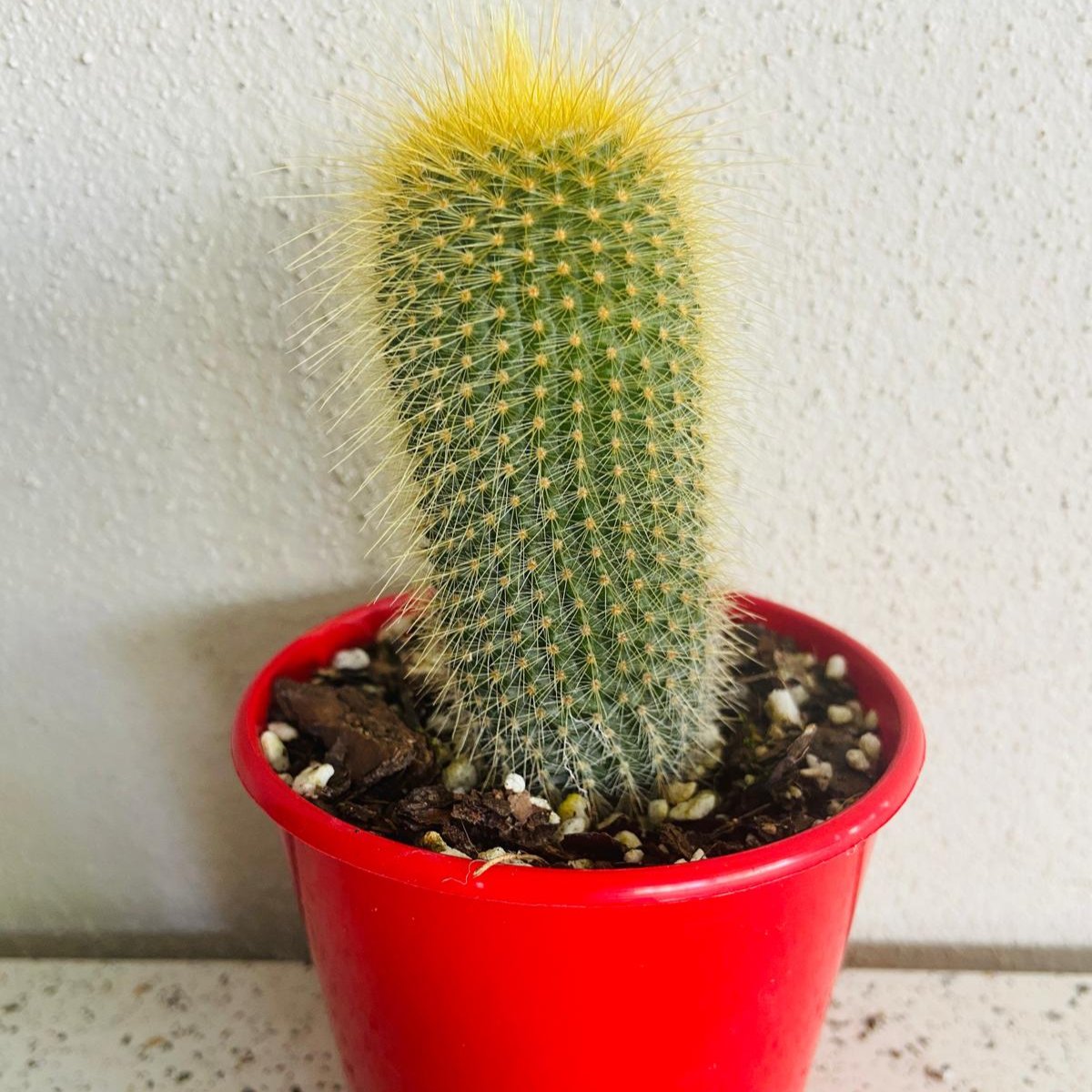
In an era where fast fashion’s environmental toll is impossible to ignore, the textile industry stands at a crossroads. Synthetic fabrics, though durable and versatile, are wreathing our planet in microplastics and toxic dyes. Meanwhile, conventional natural fibers like cotton, while biodegradable, demand vast amounts of water and pesticides, leaving arid ecosystems parched and communities struggling. Enter cactus fibers—a game-changer that marries the best of both worlds. Derived from the resilient Opuntia cactus, these fibers are not only biodegradable but also require minimal resources to cultivate. Unlike cotton, which guzzles water like a thirsty traveler in the desert, cactus thrives in arid conditions, needing a fraction of the irrigation. This makes it a lifeline for water-scarce regions, offering farmers a sustainable livelihood while reducing the carbon footprint of textile production. The shift toward cactus fibers isn’t just a trend; it’s a paradigm shift, one that redefines luxury as something that doesn’t cost the Earth.
From Prickly Pear to Thread: The Alchemy of Cactus Fiber Extraction
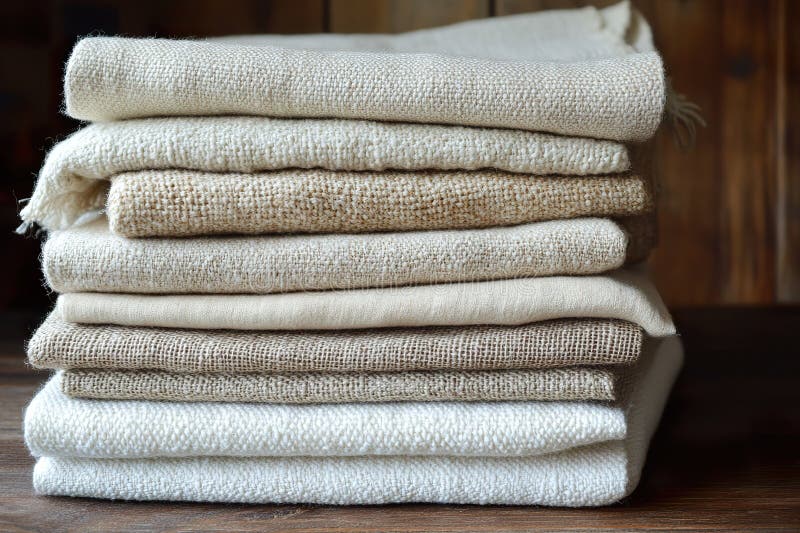
The journey of cactus fiber from spiky plant to silken thread is nothing short of alchemical. The process begins with the Opuntia ficus-indica, a cactus species native to Mexico, prized for its edible fruit and, now, its fibrous bounty. Harvesting the fiber involves a delicate balance of tradition and technology. Workers carefully peel the cactus pads, extracting the mucilaginous pulp that contains the fibers. This pulp is then mechanically processed to separate the fibers, which are washed, carded, and spun into yarn. What emerges is a material that’s as soft as silk yet as sturdy as linen, with a texture that’s uniquely its own. The beauty of this process lies in its low environmental impact. Unlike cotton, which requires heavy machinery and chemical treatments, cactus fiber extraction relies on water-efficient methods and minimal additives. The result? A fiber that’s not only gentle on the planet but also hypoallergenic, making it a boon for sensitive skin. It’s a testament to nature’s ingenuity, where what was once a humble desert plant becomes a cornerstone of sustainable fashion.
Fashion’s New Frontier: Designers Embracing Cactus Leather and Fabric
The fashion world is abuzz with the cactus revolution, and designers are clamoring to incorporate this wonder material into their collections. Brands like Desserto and Pinatex (though pineapple-based, they share a similar ethos) have already pioneered cactus leather, a plant-based alternative to animal hide that’s as supple as it is sustainable. But cactus fibers extend far beyond leather. They’re being woven into fabrics that drape like cashmere, into upholstery that rivals leather in durability, and even into biodegradable packaging materials. The versatility of cactus fiber is staggering. It can be blended with organic cotton or hemp to create fabrics that are breathable yet strong, perfect for everything from everyday wear to high-performance activewear. What’s more, cactus fiber fabrics boast natural antimicrobial properties, reducing the need for chemical treatments that plague conventional textiles. As consumers increasingly demand transparency and sustainability, cactus fibers offer a compelling narrative—one where style doesn’t come at the expense of the planet. This isn’t just fashion; it’s a statement, a rebellion against the wasteful norms of the industry.
Beyond Clothing: Cactus Fibers in Home Décor and Industrial Design
The potential of cactus fibers stretches far beyond the runway. In the realm of home décor, these fibers are transforming furniture, wall coverings, and even flooring into eco-friendly masterpieces. Imagine a sofa upholstered in cactus leather, its buttery texture inviting relaxation while its production leaves no ecological scar. Or a rug woven from cactus yarn, its earthy tones and durable weave making it a statement piece in any living room. Even the construction industry is taking notice. Cactus fiber composites are being explored as sustainable alternatives to fiberglass and plastic in insulation, panels, and structural components. These materials are not only lightweight and strong but also fire-resistant and sound-absorbent, making them ideal for green building projects. The circular economy is at the heart of this innovation. At the end of their life cycle, cactus fiber products can be composted, returning nutrients to the soil and completing the cycle of regeneration. It’s a far cry from the linear “take-make-waste” model that has dominated industries for decades.
The Ethical and Economic Ripple Effect: Empowering Communities Through Cactus Farming
Cactus farming isn’t just a boon for the environment; it’s a lifeline for communities, particularly in marginalized regions. In Mexico, where the cactus is native, small-scale farmers are finding new opportunities in the global demand for cactus fibers. Unlike monoculture crops that deplete soil and require expensive inputs, cactus is a hardy, low-maintenance plant that thrives in poor soil conditions. This makes it an ideal crop for smallholder farmers, offering them a reliable income source without the need for chemical fertilizers or pesticides. The economic ripple effect is profound. As demand for cactus fibers grows, so does the need for processing facilities and skilled labor, creating jobs in rural areas that have long been overlooked. Moreover, cactus farming aligns with traditional agricultural practices, preserving indigenous knowledge while introducing sustainable innovation. It’s a model of economic empowerment that prioritizes people and the planet over profit margins—a rare and beautiful thing in today’s industrial landscape.
Challenges and the Road Ahead: Can Cactus Fibers Scale Sustainably?
Of course, no revolution is without its hurdles. Scaling cactus fiber production to meet global demand is no small feat. The infrastructure for large-scale extraction and processing is still in its infancy, and supply chains need to be built from the ground up. There’s also the challenge of educating consumers and retailers about the benefits of cactus fibers, ensuring that the demand for sustainable materials translates into real market shifts. Then there’s the question of cost. While cactus fibers are more affordable to produce than conventional materials in the long run, the initial investment in technology and training can be prohibitive for smaller players. Yet, these challenges are not insurmountable. With the right policies, investments, and partnerships between governments, NGOs, and private enterprises, cactus fibers could become a mainstream material within a decade. The key lies in collaboration—bringing together farmers, designers, scientists, and policymakers to create a holistic ecosystem where cactus fibers flourish. The road ahead is paved with potential, and the destination is a world where sustainability isn’t a niche but the norm.
A Call to Reimagine: The Future Woven in Cactus
The story of cactus fibers is more than a tale of material innovation; it’s a call to reimagine our relationship with the planet and the products we consume. It challenges us to see beyond the superficial allure of fast fashion and disposable goods, urging us to embrace materials that are regenerative, ethical, and beautiful. Cactus fibers represent a future where every purchase is a vote for the kind of world we want to live in—a world where fashion heals rather than harms, where luxury is defined by sustainability, and where the threads that bind our lives are as strong as they are gentle. This isn’t just about textiles; it’s about transforming our collective consciousness. It’s about recognizing that the solutions to our most pressing environmental crises often lie in the wisdom of nature itself. So the next time you slip into a garment or step onto a floor made from cactus fibers, remember: you’re not just wearing or walking on a material. You’re wearing and walking on a promise—a promise of a future where humanity and nature thrive in harmony.
FAQ
What are cactus fibers?
Cactus fibers are sustainable materials derived from the Opuntia cactus, used in textiles and eco-friendly products.
How are cactus fibers extracted?
The fibers are extracted from the cactus pads through a process that involves peeling, processing, and spinning the fibers into yarn.
What are the environmental benefits of cactus fibers?
Cactus fibers require minimal water and resources to cultivate, making them a sustainable alternative to traditional fabrics like cotton.

Leave a Reply