
Short Answer
Imagine holding a tiny, unassuming seed in your palm—one that could, with patience and the right conditions, burst forth into a living sculpture of geometric precision, a botanical marvel that has defied time for centuries. This is the magic of cactus propagation from seeds, a journey that transforms the mundane into the extraordinary, especially when it comes to rare genera like Ariocarpus. These cacti are not just plants; they are relics of ancient deserts, their forms sculpted by millennia of harsh sunlight and scarce water, their beauty hidden in plain sight like a secret whispered by the wind. Growing them from seed is not merely a horticultural endeavor—it’s an act of alchemy, where patience and precision coax life from the smallest of beginnings.
The Allure of Ariocarpus: Nature’s Living Artifacts
Ariocarpus cacti are the desert’s enigmatic jewels, their flattened, rosette-like bodies adorned with intricate tubercles that resemble the scales of mythical creatures or the facets of a geode. Unlike their more flamboyant cousins, these cacti eschew spines in favor of a camouflage so perfect it borders on deception. Their surfaces are often textured like weathered stone, their colors a muted palette of grays, browns, and greens that blend seamlessly into the rocky terrain they call home. To propagate them from seed is to unlock the door to a world where botany meets artistry, where each new plant is a canvas waiting for the brushstrokes of time.
Their rarity only deepens their allure. Found exclusively in the limestone-rich soils of northern Mexico, Ariocarpus species like A. fissuratus and A. agavoides are slow growers, their seeds germinating only under the most exacting conditions. This makes them prized among collectors, their cultivation a test of a gardener’s dedication. Yet, for those who persevere, the reward is a living piece of the desert’s soul, a plant that seems to have been plucked from a prehistoric landscape and placed gently into your care.
Why Seeds? The Philosophy of Patience Over Instant Gratification
In a world that thrives on immediacy, growing cacti from seed is an act of rebellion. It demands a surrender to the rhythm of nature, where progress is measured in millimeters per year rather than inches per week. But this slowness is not a flaw—it’s a feature. Each seed is a story waiting to unfold, a genetic lottery where the prize is a plant uniquely adapted to its environment. Unlike offsets or cuttings, which are clones of their parent, seeds offer the thrill of unpredictability. Will the seedling inherit the robust form of its forebears, or will it surprise you with a quirk of nature, a mutation that makes it one of a kind?
Moreover, seeds allow you to work with a broader genetic pool. Rare species like Ariocarpus are often propagated through vegetative means, which can lead to inbreeding and weakened plants. By starting from seed, you contribute to the genetic diversity of these species, ensuring their survival for generations to come. It’s a small but meaningful way to participate in the conservation of some of the world’s most fascinating flora.
The Germination Gambit: Crafting the Perfect Cradle for Life
Germinating Ariocarpus seeds is less about brute force and more about finesse. These seeds, tiny and often papery-thin, require a delicate balance of moisture, warmth, and light to awaken from their dormancy. The first step is to mimic the conditions of their natural habitat. A well-draining substrate is non-negotiable—think of it as the cactus equivalent of a luxury hotel suite, where excess water is swiftly whisked away, leaving the roots neither sodden nor parched. A mix of coarse sand, perlite, and a smattering of organic matter (like coconut coir) strikes the perfect balance, ensuring that the seeds have enough moisture to swell but not so much that they rot.
Temperature is the next critical variable. Ariocarpus seeds, like many desert dwellers, are attuned to the cycles of warmth and cool. A consistent temperature between 70°F and 80°F (21°C–27°C) during the day, with a slight drop at night, signals to the seed that it’s time to germinate. Some growers swear by bottom heat, using heat mats to gently coax the seeds into action. Others prefer the natural fluctuation of a greenhouse or a sunny windowsill, where the sun’s rays provide both light and warmth. Whichever method you choose, consistency is key—these seeds are not fans of surprises.
Light, too, plays a pivotal role. While some cactus seeds are content with indirect light, Ariocarpus seeds often require a bit more encouragement. A thin layer of fine sand or grit placed over the seeds can diffuse the light just enough to prevent scorching while still allowing the delicate shoots to push through. Alternatively, a grow light set to a 12-hour photoperiod can provide the perfect balance, simulating the long days of the desert summer.
Transplanting: The Delicate Dance of Root and Soil
Once the seeds have germinated—usually within 2 to 6 weeks—you enter the next phase: transplanting. This is where many a cactus enthusiast stumbles, their enthusiasm outpacing their caution. Ariocarpus seedlings are as fragile as they are tenacious. Their roots are fine and easily damaged, and their bodies are soft and pliable, more akin to a jellyfish than the spiny sentinels they will one day become. The key is to wait until the seedlings are large enough to handle—typically when they’ve developed their first set of true leaves or, in the case of Ariocarpus, when their tubercles have begun to take shape.
When the time comes, use a pair of tweezers or a toothpick to gently lift the seedlings, taking care not to disturb their delicate root systems. A well-draining soil mix is essential here as well, though you can increase the organic matter slightly to provide a bit more sustenance as the plants establish themselves. Plant them at the same depth they were in the germination tray, and resist the urge to water immediately. Instead, wait a few days to allow any minor root damage to heal, then introduce moisture gradually. Overwatering at this stage is a death sentence—these seedlings are not yet equipped to handle the stress.
As the seedlings grow, their camouflage becomes more pronounced. The tubercles, once barely discernible, now stand out like the brushstrokes of a master painter. This is the stage where their unique personalities begin to emerge. Some may grow faster, their bodies elongating into a more columnar form, while others remain stubbornly globular, content to hug the soil like a turtle retreating into its shell. It’s a reminder that even in the world of plants, individuality is celebrated.
The Long Game: Nurturing a Living Relic
Growing Ariocarpus from seed is a marathon, not a sprint. These plants are not for the impatient or the faint of heart. In their first year, they may barely inch forward, their growth so slow it’s almost imperceptible. But with each passing season, they add a new layer of tubercles, their bodies becoming denser, more intricate. By the third or fourth year, they begin to resemble the adults you’ve seen in photographs—mature, stoic, and undeniably majestic.
During this time, their care requirements evolve. As they mature, Ariocarpus cacti become more drought-tolerant, their thickened bodies storing water like a camel’s hump. They still appreciate bright light, but they’re less tolerant of the scorching midday sun that can bleach their colors or scorch their delicate skins. A spot with morning sun and afternoon shade is ideal, or a greenhouse where the light can be diffused. Fertilization is minimal—these plants are adapted to nutrient-poor soils, and too much fertilizer can lead to weak, etiolated growth.
Pests, too, can be a challenge. Mealybugs and scale insects find the nooks and crannies of Ariocarpus tubercles irresistible. Regular inspections with a magnifying glass are essential, and a cotton swab dipped in rubbing alcohol can dispatch these tiny invaders without harming the plant. It’s a reminder that even the most resilient of creatures need protection from the smallest of foes.
The Reward: A Piece of the Desert in Your Home
There comes a moment, years into the journey, when you realize that the tiny seed you once held in your palm has transformed into a living testament to patience and perseverance. The Ariocarpus before you is not just a plant—it’s a fragment of the Chihuahuan Desert, a survivor of epochs, a silent witness to the passage of time. Its form is a masterclass in efficiency, its every tubercle a lesson in adaptation. To grow one from seed is to forge a connection with the earth itself, to participate in the ancient dance of life and survival.
And perhaps that’s the true magic of cactus propagation from seeds. It’s not just about the destination—the fully grown cactus—but the journey itself. It’s about learning to see the world in miniature, to find wonder in the slow unfurling of a seedling’s first leaves. It’s about embracing the quiet joy of watching something grow, not because you willed it, but because you provided the conditions for it to thrive. In a world that moves at breakneck speed, Ariocarpus reminds us that some things are worth the wait.
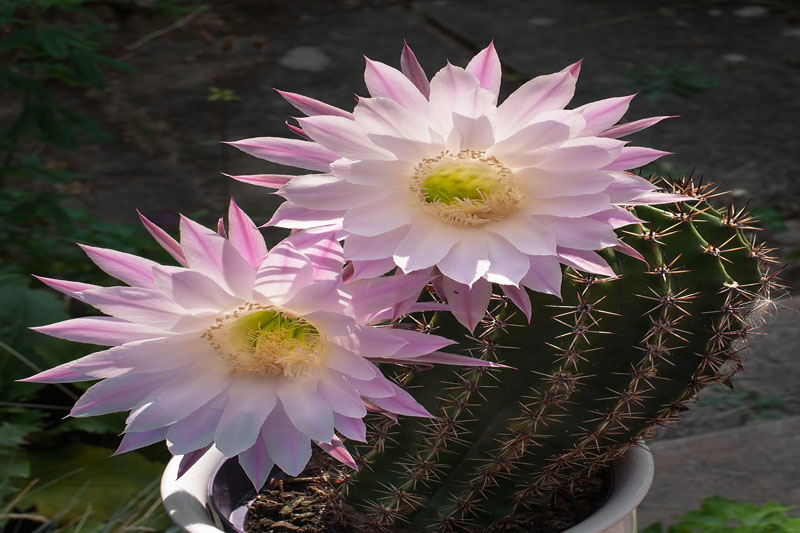
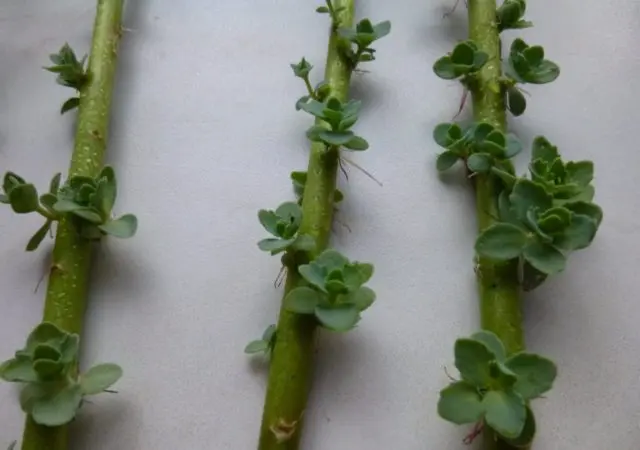
The first tender shoots of a torch cactus seedling, a promise of the rugged beauty to come. Even in its infancy, the plant’s potential is evident, a whisper of the geometric marvel it will one day become.
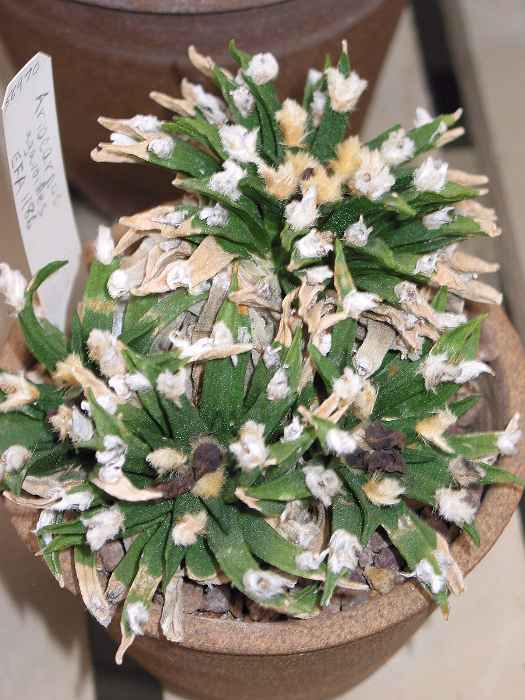
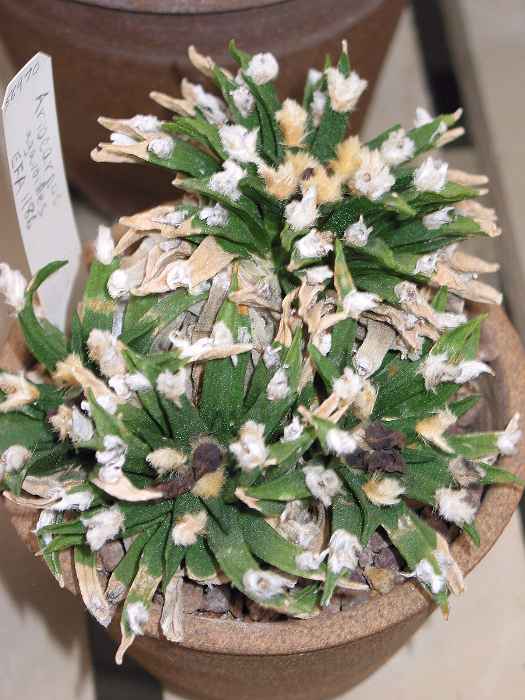
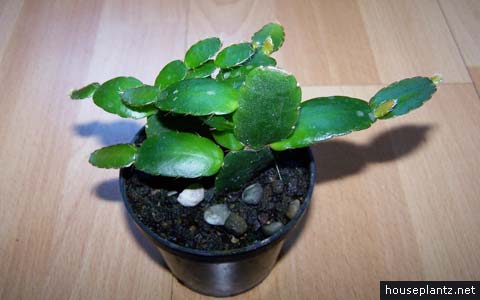
Ariocarpus agavoides, a living fossil with a rosette of tubercles that seem carved from stone. Its form is a testament to the power of adaptation, a plant that has perfected the art of invisibility in a harsh landscape.
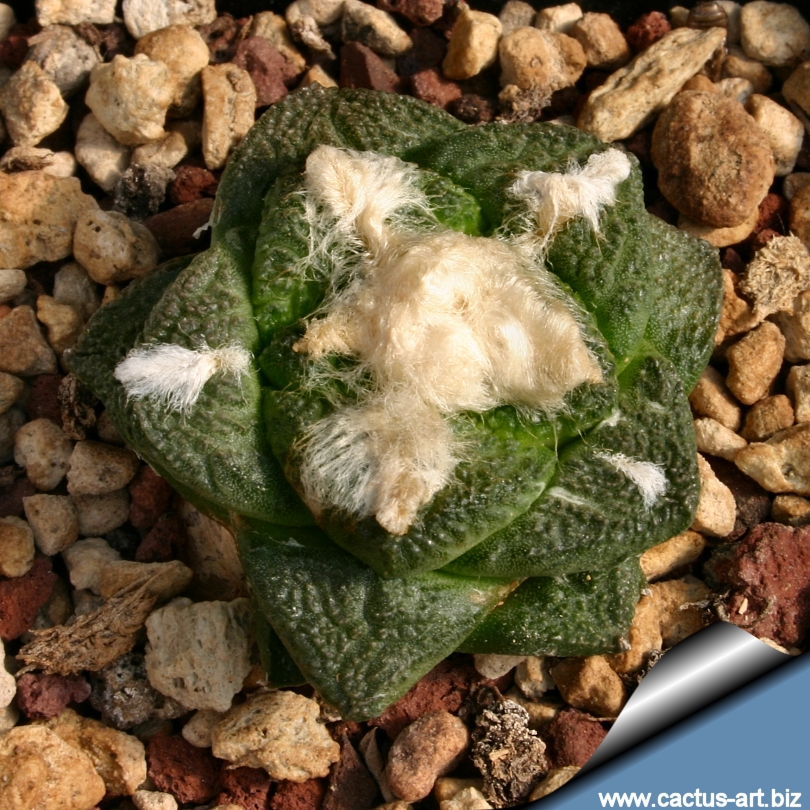
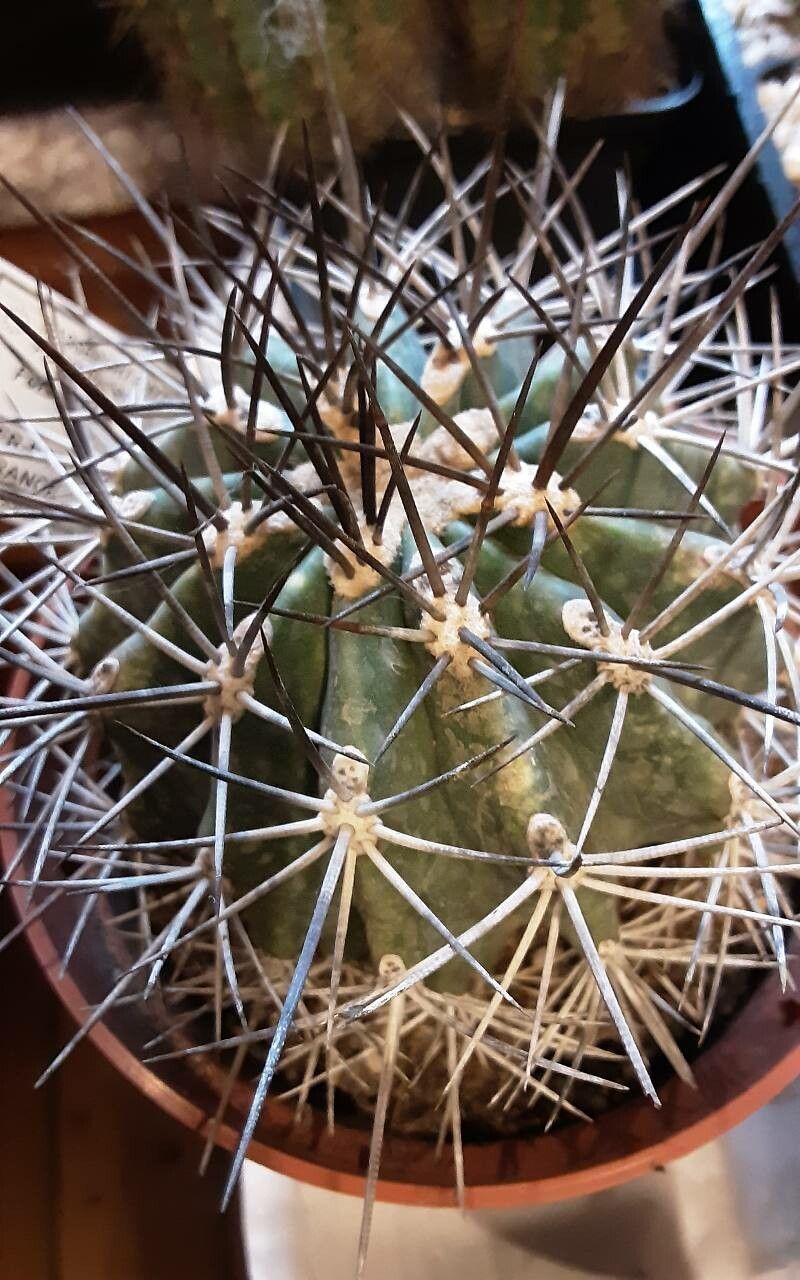
A subadult Ariocarpus fissuratus, its tubercles just beginning to reveal the rugged, weathered beauty that will define its adult form. Each tubercle is a story of survival, a chapter in the plant’s long and patient journey.
FAQ
What conditions do Ariocarpus seeds need to germinate?
They require a well-draining substrate, consistent warmth, and appropriate light conditions to germinate successfully.
What are the main challenges in caring for Ariocarpus seedlings?
The main challenges include preventing overwatering, managing their delicate roots, and providing the right light and temperature.



Leave a Reply