
Short Answer
Cacti, as a group, showcase an astonishing diversity of species, each with its own unique adaptations and beauty. A particularly fascinating genus is Coleocephalocereus, often referred to as the “Candle Cactus” due to its striking appearance that resembles a tall, cylindrical candle. This article aims to provide comprehensive guidance on the various types of Coleocephalocereus, their characteristics, cultivation, and uses.
The genus Coleocephalocereus consists of several species, primarily native to the arid regions of Mexico. These cacti are known for their tall, columnar forms, which can reach impressive heights. Their defining feature includes a series of pronounced ribs, adorned with spines, that give them a rugged yet attractive profile. As we delve deeper into the specifics of this genus, we will explore its suitability for gardens, container planting, and indoor settings.
Characteristics of Coleocephalocereus
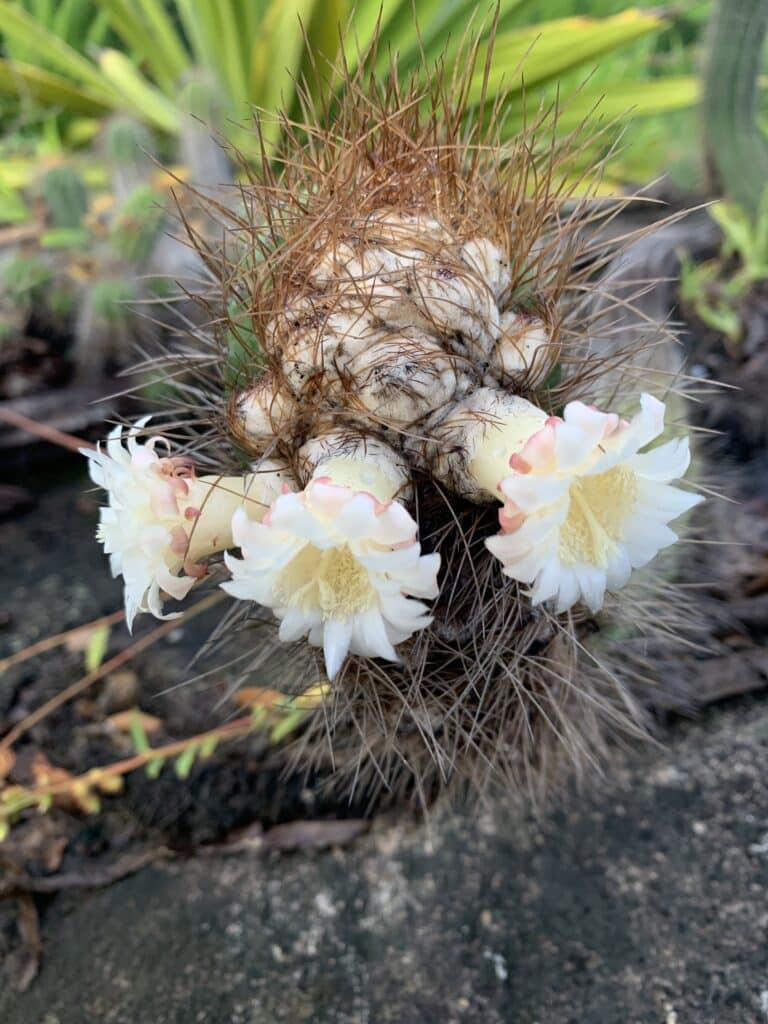
Coleocephalocereus cacti are characterized by their unique morphology and growth habits. These plants typically develop a single columnar stem, which can vary in height significantly among the different species. The color of their skin ranges from green to bluish-green, often with shades that shift depending on the light and environmental conditions. In addition to their height, the plants are crowned with a tuft of spiny hair or bristles that can create a striking contrast against the smooth body of the cactus.
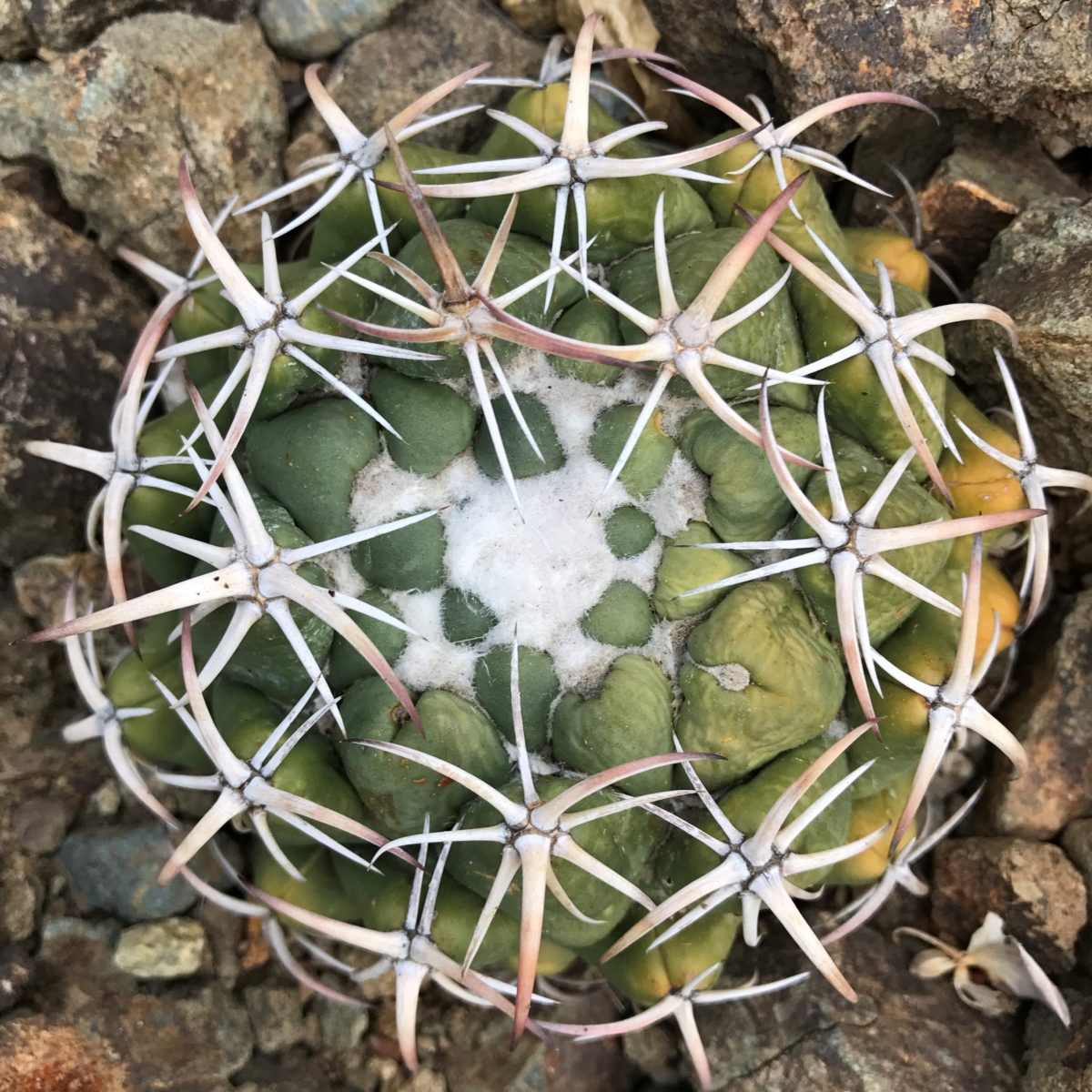
One notable feature of Coleocephalocereus is its formidable spination. Spines can vary in size, shape, and color, offering a captivating aesthetic appeal while also providing protection from herbivores. The arrangement of spines typically follows the ribbing of the cactus, forming a beautiful geometric pattern. Furthermore, the flowers of Coleocephalocereus are equally grand. Large, tubular blooms in vibrant colors such as white, yellow, and pink emerge from the apex of the plant and are often ephemeral, blooming only for one day.
Types of Coleocephalocereus
Within the genus Coleocephalocereus, several species capture the interest of horticulturists and enthusiasts alike. Each species exhibits distinct characteristics, making them suitable for various gardening preferences.
Coleocephalocereus erectus
This species, often known as the “Candle Cactus,” is distinguished by its slender, erect form. Erectus can grow up to 3 meters tall under ideal conditions. The ribs are well-defined, and the spines are dense, providing a protective barrier. The flowers are particularly noteworthy, with long, tubular shapes that can reach up to 10 centimeters in length, creating a stunning visual display during the blooming season. Ideal for warm, dry areas, Erectus can thrive in pots or directly in the ground as long as it receives ample sunlight.
Coleocephalocereus purpureus
Purpureus, also known as the “Purple Candle Cactus,” is characterized by its vibrant purple hues, especially in the upper region of the stem. This particular coloration is accentuated when exposed to good sun conditions. Purpureus can reach heights of approximately 2 meters, making it a striking centerpiece in any garden. It features fewer spines than other species, lending it a softer appearance while still showcasing the unique rib structure synonymous with the genus.
Growing Conditions for Coleocephalocereus
Successful cultivation of Coleocephalocereus requires an understanding of its natural habitat. These cacti are adapted to the arid conditions of their native environments, honed to withstand long periods of drought and intense sunlight. When cultivating these species, consider the following environmental factors:
Light Requirements
Light is paramount for the health of Coleocephalocereus. Ideally, these cacti should receive full sun exposure for at least six hours a day. Insufficient light can lead to etiolation, where the plant stretches towards the light, becoming leggy and less aesthetically pleasing. For indoor specimens, placing them near south-facing windows will offer the necessary luminosity.
Soil Composition
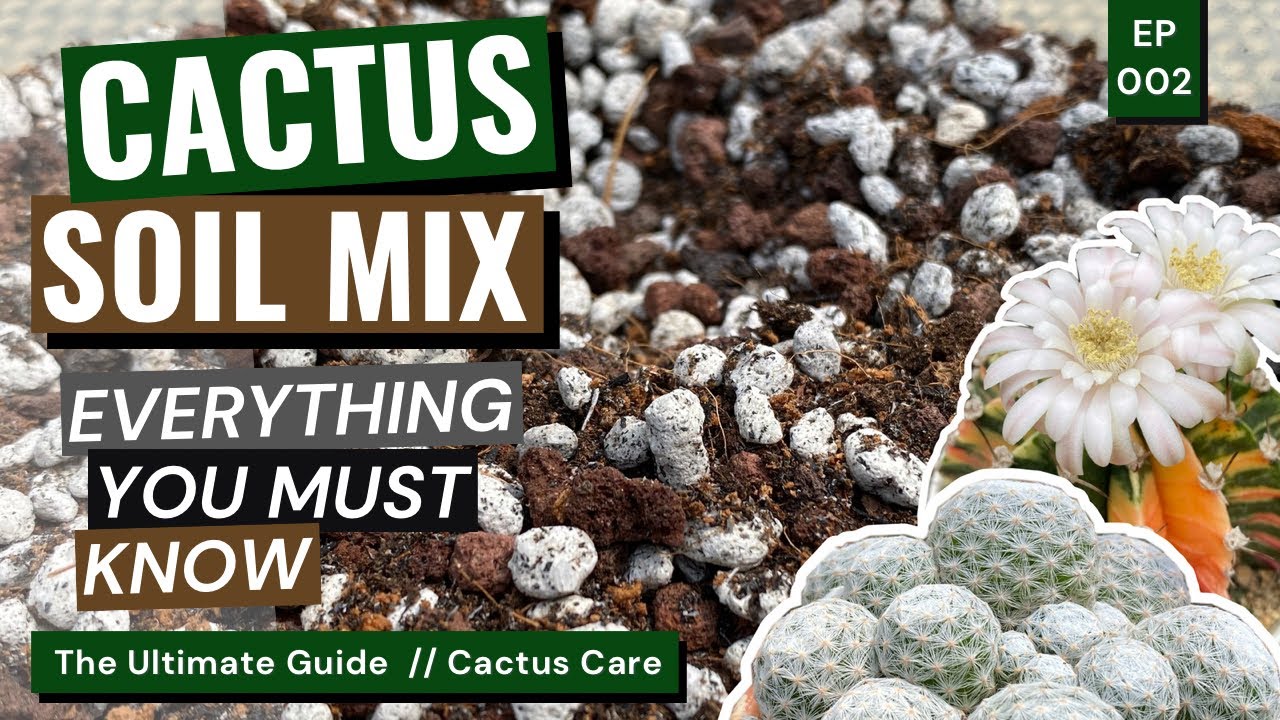
Utilizing well-draining soil is critical for Coleocephalocereus cultivation. A commercial cactus mix, often composed of sand, perlite, and pebbles, can provide the ideal environment. This mixture ensures that excess water drains away rapidly, mitigating the risk of root rot, a common ailment in cacti due to overly moist conditions.
Watering Practices
When it comes to watering, Coleocephalocereus is incredibly resilient to drought, requiring a careful approach. During the growing season, typically from spring to early autumn, watering should be performed only when the soil is completely dry. A deep watering method is recommended, allowing the water to soak through the drainage holes. In winter, reduce watering significantly, as the plant enters a period of dormancy.
Fertilization
Coleocephalocereus benefits from light fertilization. Implementing a diluted cactus fertilizer during the growing season can support its growth. However, avoid over-fertilizing, as this can lead to rampant growth that may reduce the plant’s natural resilience and desired aesthetic form.
Potential Uses of Coleocephalocereus
The striking aesthetics and hardiness of Coleocephalocereus make them suitable for various uses in landscaping and gardening.
Ornamental Use
Coleocephalocereus serves an ornamental purpose, easily standing out in gardens, rockeries, or xeriscapes. Their vertical growth habit creates an eye-catching focal point, available in various sizes to fit diverse landscapes. Their unique flowers also attract pollinators, adding a dynamic element to any garden.
Container Planting
For those with limited gardening space, Coleocephalocereus can adapt well to container planting. Their dimensionality allows for playful gardening, presenting options for tiered displays or solitary specimens to brighten patios or terraces. Ensure that the containers are large enough to accommodate root growth and that adequate drainage facilities are in place.
Indoor Cultivation
Coleocephalocereus is becoming increasingly popular as an indoor plant. Their ability to thrive in sunny spots makes them ideal for window sills or sunrooms. With minimal maintenance and their unique aesthetic, they are perfectly suited to both novice and experienced gardeners looking to enhance interior spaces.
Conclusion: Embracing the Magic of Coleocephalocereus
The world of Coleocephalocereus offers a myriad of possibilities for those interested in cacti. With their distinctive features and adaptability, these plants are sure to intrigue and inspire. From their robust forms and vibrant blooms to their ease of care, Coleocephalocereus species may just be the ideal addition to a garden or interior space. By understanding their needs and appreciating their beauty, cacti enthusiasts can cultivate a thriving collection of Candle Cacti, enriching their experience and connection to these magnificent plants.
FAQ
What are the ideal growing conditions for Coleocephalocereus?
Coleocephalocereus prefers full sun exposure, well-draining soil, and infrequent deep watering during the growing season. It requires significantly less water during dormancy in winter.
How tall can Coleocephalocereus species grow?
Species like Coleocephalocereus erectus can grow up to 3 meters tall under optimal conditions, while others such as Coleocephalocereus purpureus reach about 2 meters.
Can Coleocephalocereus be grown indoors?
Yes, Coleocephalocereus can be grown indoors in sunny spots such as near south-facing windows, making them suitable for indoor cactus collections.
Are the flowers of Coleocephalocereus long-lasting?
No, the flowers are typically ephemeral, often blooming for only one day, but they are large and brightly colored.


Leave a Reply