
Short Answer
Growing Aloe Vera Plants: Everything You Need to Know
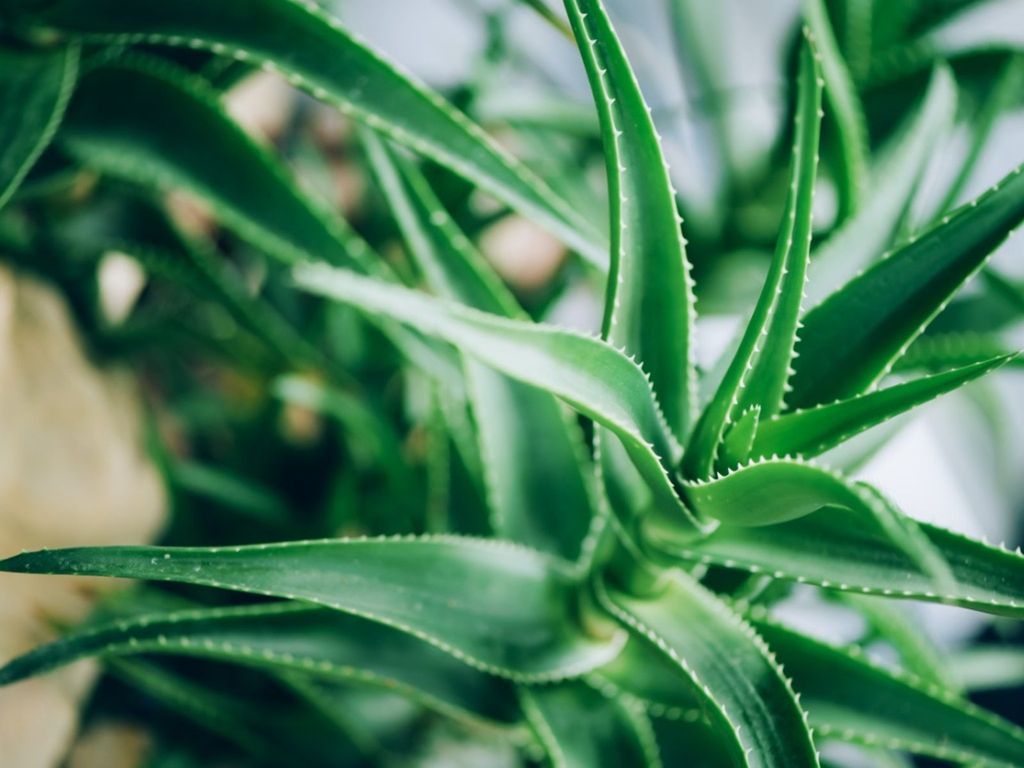
Aloe vera, an exquisite succulent, is renowned not only for its ornamental beauty but also for its myriad of health benefits. This hardy plant boasts thick, fleshy, greenish leaves which house a gel-like substance, often hailed for its soothing properties, particularly in skincare. However, before embarking on your journey to cultivate aloe vera, understanding the essential aspects of its growth is vital.
Aloe vera is particularly appealing due to its relatively low maintenance, making it an attractive option for both novice gardeners and those seasoned in horticultural pursuits. For prospective buyers, knowing how to care for this versatile plant significantly alleviates concerns regarding longevity and vitality.
Let’s delve deeper into the critical components of growing healthy aloe vera plants, addressing common buyer apprehensions along the way.
Understanding Aloe Vera’s Growing Requirements
To cultivate robust aloe vera plants, it is paramount to mimic their natural habitat. Originating from arid regions, aloe vera thrives in warm, dry conditions. Here are the essential requirements:
Light Requirements
Aloe vera plants flourish under bright, indirect light. While they can tolerate direct sunlight, prolonged exposure may scorch their leaves. A south or west-facing window is ideal for ensuring they receive ample sunlight without the risk of sunburn. For those in regions with intense sun, a sheer curtain can diffuse harsh rays, creating an optimal environment.
Soil Composition
The choice of soil plays a crucial role in the health of your aloe plant. Well-draining potting soil is imperative to prevent root rot. A cactus or succulent mix, often infused with sand or perlite, can provide the ideal drainage needed. This unique blend fosters the aeration that a succulent like aloe vera craves.
Watering Practices
An overzealous watering routine is perhaps the most common pitfall among new aloe vera growers. This succulent prefers to be underwatered rather than overwatered. Allow the top two inches of soil to dry out completely before watering. Typically, watering every three weeks is sufficient, though factors such as temperature and humidity can alter this frequency. Always use pots with drainage holes to facilitate excess water escape.
Optimal Temperature and Humidity
Aloe vera thrives in temperatures ranging from 60°F to 75°F (15°C to 24°C). It is advisable to keep this plant indoors during extreme cold snaps, as frost can be detrimental. Low humidity, which mirrors their native desert conditions, is preferred. However, they should be shielded from excessive drafts, as sudden temperature changes may hinder their growth.
Fertilizing Aloe Vera: When and How Much?
While aloe vera can thrive in less nutrient-rich environments, incorporating a light feeding can boost growth. The ideal time to fertilize is during the growing season, typically spring through early summer. A diluted, balanced fertilizer specifically formulated for succulents should suffice. Too much fertilizer can lead to leggy, unhealthy plants, so err on the side of caution.
Propagation: Sharing the Aloe Vera Love
One of the most rewarding aspects of growing aloe vera is propagation. This allows enthusiasts to multiply their aloe plants and share them with friends, or even sell them. Propagation primarily occurs through offsets, also known as “pups.” These small plants grow at the base of the parent plant.
Once the pups are about 2 inches tall and have developed a few roots, they can be removed and replanted in their own pots. This process can be both delightful and gratifying as the new plants continue to grow. Always allow the severed ends to callous over for a day before planting to prevent rot.
Pest Management: Keeping Your Aloe Vera Healthy
Though resilient, aloe vera can fall victim to pests. Common culprits include mealybugs and aphids. Regular inspections can catch these nuisances early. Should pests be detected, a gentle solution of soap and water can effectively eradicate them without harming the plant. For more stubborn infestations, insecticidal soap may be employed.
Common Problems: Troubleshooting Your Aloe Vera
Understanding potential challenges is imperative for the prosperity of your aloe vera. Yellowing leaves often signal overwatering, while browning tips can indicate underwatering. Adjusting watering practices based on these symptoms will help restore the plant’s health.
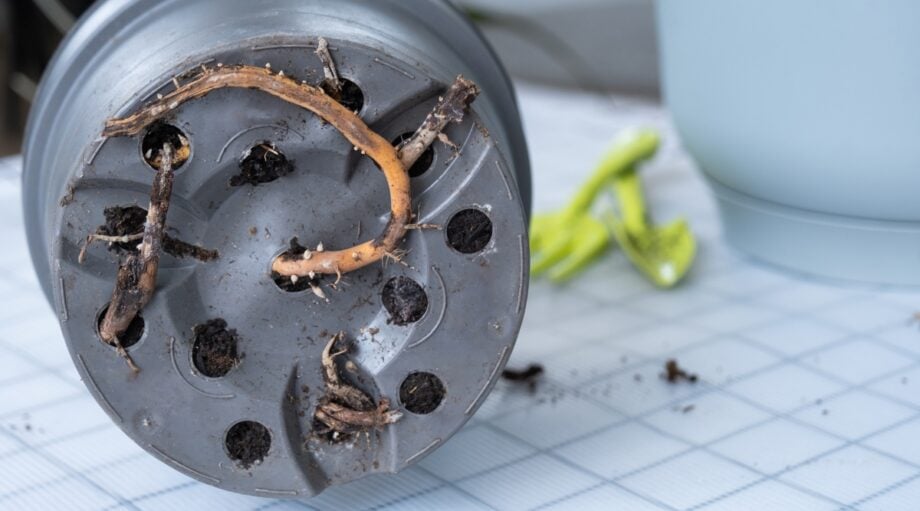
Yet another issue to consider is rooting. If you notice that despite a rigorous watering schedule, the plant appears limp, it may be root-bound. This occurs when the plant outgrows its pot. To remedy this, gently remove the plant from its pot, trim any circling roots, and replant it into a slightly larger container with fresh soil.
Conclusion: The Allure of Aloe Vera
The aloe vera plant is not just a stunning addition to any home but a treasure trove of health benefits. By understanding its unique growing requirements, propelling it towards optimal care, and addressing common concerns, one can cultivate a thriving aloe vera garden. Whether used for its medicinal properties or as a decorative element, this resilient succulent is truly a worthwhile endeavor for any plant lover.
FAQ
How often should I water my aloe vera plant?
Water your aloe vera plant approximately every three weeks, allowing the top two inches of soil to dry out completely between waterings.
Can aloe vera plants tolerate direct sunlight?
Aloe vera plants prefer bright, indirect light but can tolerate some direct sunlight. Prolonged exposure to intense sunlight may cause leaf scorch.
What is the best soil for growing aloe vera?
Use a well-draining potting mix, ideally a cactus or succulent soil mix containing sand or perlite to prevent root rot.
How do I propagate aloe vera plants?
Propagate aloe vera by removing offsets or ‘pups’ that grow at the base of the parent plant once they are about 2 inches tall with roots, allowing cut ends to callous before replanting.
What are common pests for aloe vera and how do I treat them?
Common pests include mealybugs and aphids; treat infestations early with gentle soap and water solutions or insecticidal soap for stubborn pests.
Leave a Reply