
Short Answer
In the world of cacti, a realm dominated by stark silhouettes and thorny exteriors, the genus Hatiora emerges as a captivating anomaly. These intriguing succulents defy the archetypal cactus imagery with their delicate stems and flamboyant blooms, sparking curiosity and admiration among botanists and plant enthusiasts alike. What is it about these lesser-known species that evokes such fascination? Perhaps it is their blend of fragility and resilience, or the way they bridge the gap between desert austerity and tropical exuberance. Let us embark on a detailed exploration of Hatiora species — unveiling the unique characteristics that set them apart and the ecological narratives they embody.
Historical and Botanical Context of Hatiora
The genus Hatiora traces its lineage to the dense cloud forests and rocky outcrops of South America, encompassing Brazil’s verdant biomes primarily. Unlike their desert-dwelling cactus cousins, Hatiora species thrive in humid, shaded environments — a fascinating evolutionary divergence that points to a remarkable adaptability. Their botanical journey from arid ancestors to epiphytic or lithophytic lifestyles underscores a dynamic ecological plasticity, illustrating nature’s prowess in fostering diversity amidst adversity.
From a taxonomic standpoint, Hatiora belongs to the family Cactaceae but deviates conspicuously from the stereotypical cactus morphology. Their segmented, often cylindrical or flattened stems form intricate patterns, while their floral displays burst with a palette that ranges from subtle pastels to vivid crimsons. These traits not only allure cultivators but also serve vital roles in their native habitats, facilitating pollination and survival strategies.
Distinctive Morphological Traits of Hatiora Species
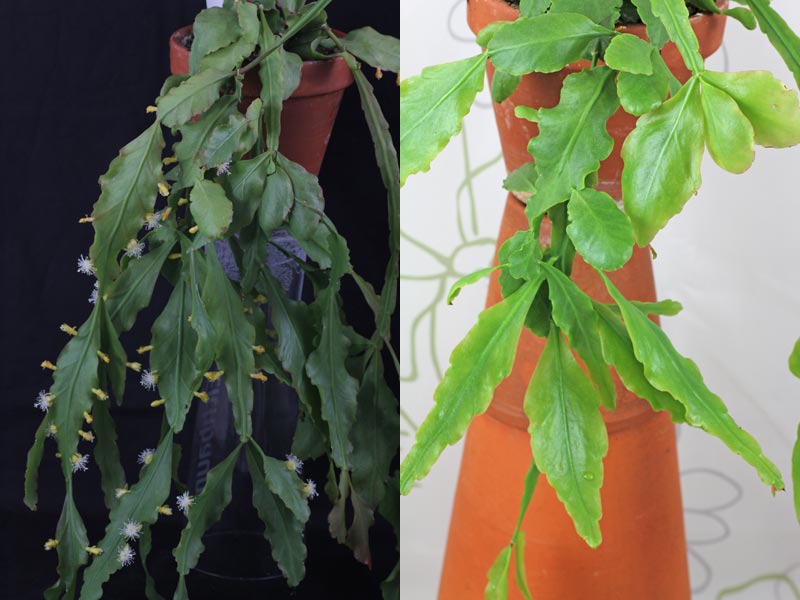
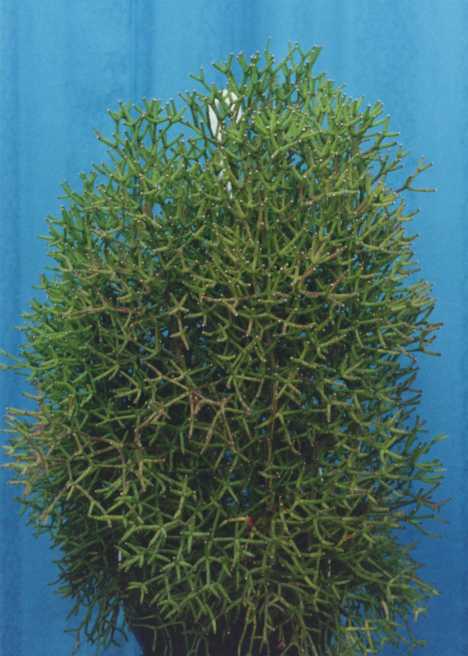 Examining the morphology of Hatiora reveals an elegant complexity rare in cacti. Their stems are comprised of articulated segments, creating a somewhat jointed appearance, often with a translucent quality that hints at their succulent nature. This segmented architecture allows flexibility, enabling the plant to cascade gracefully when epiphytic or anchor sturdily upon rocky substrates.
Flowers bloom at the termini of these segments, typically in spring or early summer, presenting as tubular or funnel-shaped blossoms. The contrast between their fragile blossoms and robust, waxy stems encapsulates an aesthetic paradox. In particular, species like Hatiora herminiea display dainty, star-shaped flowers that bloom in clusters, imbuing them with a delicate charm that is both ornamental and biologically instrumental.
Ecological Niches and Habitat Preferences
Hatiora species occupy unique niches within their ecosystems, carving out survival strategies distinct from sun-baked desert cacti. These epiphytes often perch high on branches of trees or cling to rocky fissures enveloped by mist and moisture. Their preference for shaded, humid environments elucidates why they exhibit softer stems and less formidable spines — the evolutionary concessions made in exchange for thriving in such microhabitats.
This microenvironment has profound implications for their physiology and reproduction. Their stomata, for instance, adapt to regulate moisture efficiently in a constantly humid but airflow-limited setting. Pollination partners often include hummingbirds and specific insects drawn to their bright flowers and nectar, hinting at coevolutionary relationships that have fine-tuned the survival dance between species.
Cultivation and Care: Bringing Hatiora into Domestic Spaces
Transplanting Hatiora species from their native wilds into homes and gardens has become an increasingly popular endeavor—one that requires a nuanced understanding of their natural proclivities. Unlike desert cacti, they eschew blazing sunlight and prefer bright, indirect illumination, mimicking the dappled light of forest canopies.
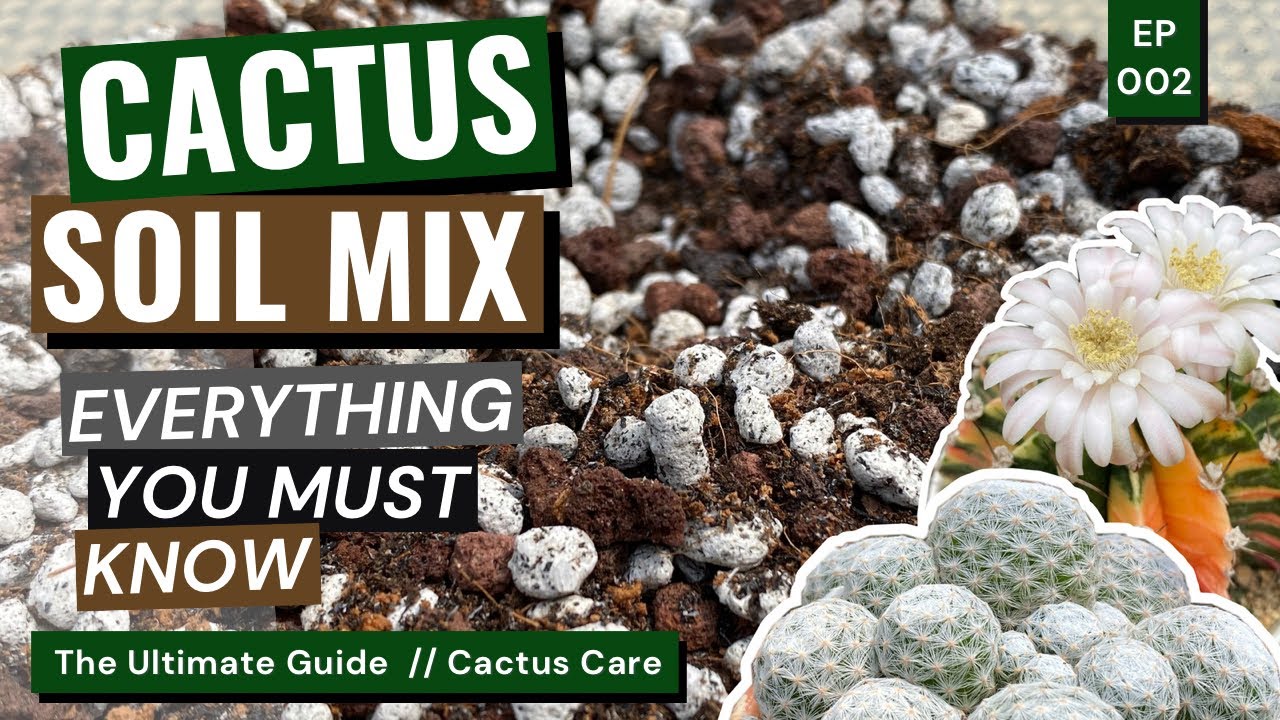
Watering routines must respect their epiphytic nature — a balance between moisture and aeration is critical. They flourish in well-draining substrates formulated with components like orchid bark, perlite, and peat moss to simulate their forest-floor conditions. Overwatering can quickly lead to root rot, while under-watering may stunt growth and flowering.
Temperature ranges mirroring their tropical origins, ideally between 60°F to 80°F, support vigorous development. Additionally, periodic fertilization during their active growth period promotes vibrant blooms, contributing to their ornamental appeal in domestic settings.
Propagation Methods: Spreading the Charm of Hatiora
Propagation of Hatiora is as gratifying as it is accessible, reflecting the genus’s inherent tenacity. The most common technique involves stem cuttings. Snipping a healthy segment and allowing it to callus before placing it in suitable growing medium ensures root development with minimal risk of disease.
The process is accelerated under warm, humid conditions, often facilitated with propagation trays or humidity domes. Seeds can be used but demand more patience and precise conditions for germination. The ease of vegetative propagation has inadvertently contributed to the popularity of these species among collectors, enabling the proliferation of rare varieties that might otherwise remain confined to remote habitats.
Noteworthy Species: Exploring Diversity within the Genus
Within the genus, certain species distinguish themselves by unique characteristics that enrich the tapestry of Hatiora. The previously mentioned Hatiora herminiea captivates with its slender, segmented stems and soft pink flowers. Another well-regarded species, Hatiora gaertneri, often adorning household spaces as the ‘Christmas cactus’, boasts vivid red blooms that herald seasonal celebrations. Each species bears distinct nuances in stem morphology, flower color, and natural range, painting a multifaceted portrait of adaptability and beauty.
These species’ subtle distinctions invite admirers to delve deeper into their botanical intricacies, fostering a greater appreciation for evolutionary artistry and ecological interconnections.
Conclusion: The Enduring Allure of Hatiora
There is an undeniable enchantment in Hatiora species that transcends their physical attributes. Perhaps it lies in their quiet rebellion against the cactus norm — their softness in a realm of spines, their shade-loving existence amid sun-craving relatives, their ephemeral blossoms lighting up shaded forests. To engage with a Hatiora is to witness the convergence of resilience and elegance, a testament to nature’s boundless inventiveness. As they flourish in both wild and cultivated realms, these remarkable plants continue to inspire fascination, inviting us to explore the seldom-seen voices of the botanical world.
FAQ
What are Hatiora species?
Hatiora species are unique cacti known for their delicate stems and vibrant flowers, thriving in humid, shaded environments.
How can I care for Hatiora plants?
Hatiora prefers bright, indirect light, well-draining soil, and a careful watering routine to maintain moisture without risking root rot.
What is the best way to propagate Hatiora?
Propagation is commonly done through stem cuttings, allowing the cut end to callus before planting in a suitable growing medium.



Leave a Reply