
Short Answer
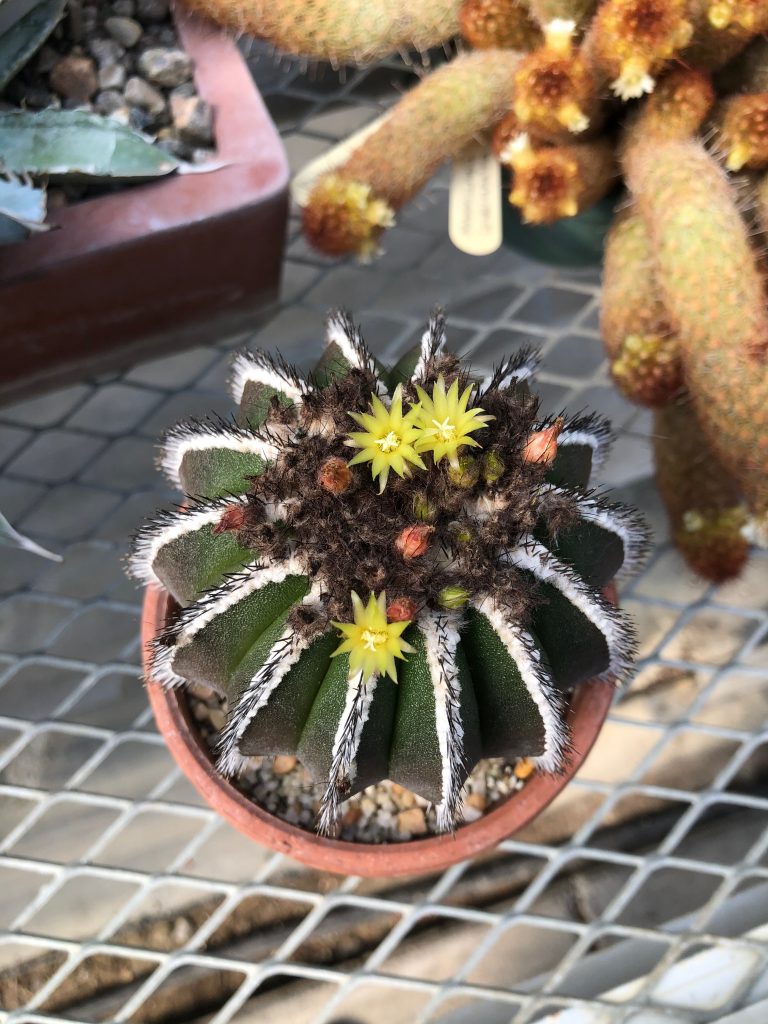
Uebelmannia, a striking genus of cacti native to Brazil, captivates enthusiasts with its unique rib structures and vivid textured bodies. These captivating succulents display a mesmerizing blend of geometry and subtle color, making them prized additions to any cactus collection. Propagating Uebelmannia is an exciting journey that can be accomplished through two primary methods: offsets and seeds. Each approach offers distinct pathways, challenges, and rewards, inviting both novices and seasoned growers to embrace the art of propagation with patience and precision.
Propagation Through Offsets: A Hands-On Approach
Offsets serve as nature’s clones—tiny clones springing from the base of a mature cactus, embodying the genetic traits of their parent. When it comes to Uebelmannia, offsets are a less commonly observed phenomenon, but when present, they provide an expedient means of multiplication. The advantage of offsets lies in their ability to bypass the slow and sometimes unpredictable germination phase inherent to seed propagation.
The first step in offset propagation is to carefully inspect the base of your Uebelmannia for any pups or satellite growths. These miniature cacti require delicate handling. Using sterilized tools such as a sharp knife or pruning shears, gently separate the offset from the mother plant. Precision is paramount to avoid inflicting damage or opening pathways for infection. Once freed, the offset should be left to callous over in a shaded, dry environment for a period ranging from several days to a week. This cicatrization period prevents rot and encourages robust root development upon planting.

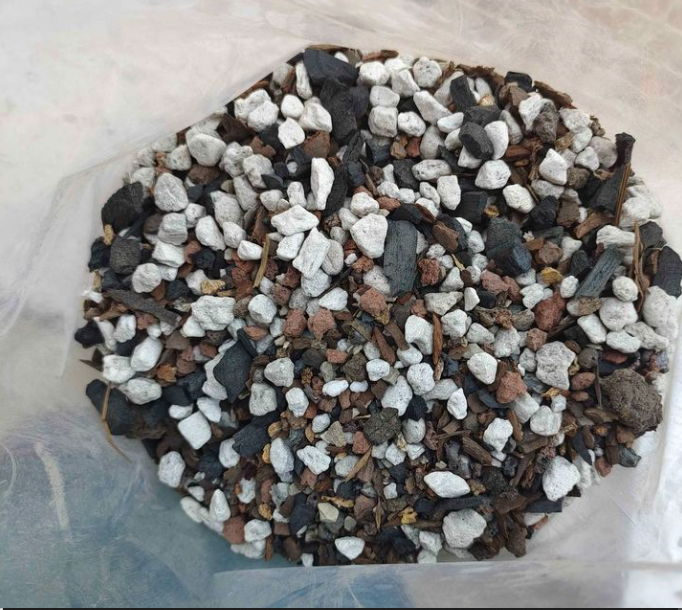
Once the callous has formed, transplantation into a gritty, well-draining substrate tailored for cacti is essential. A blend of coarse sand, perlite, and cactus potting mix provides the optimal aeration and drainage. Moisture should be cautiously managed; it is best to water sparingly, allowing the medium to nearly desiccate between watering sessions. Within weeks to months, offsets typically begin to establish roots, revealing new growth that can be celebrated with pride.
Seed Propagation: Opening Doors to Diversity
Propagation from seeds unveils an entirely different facet of Uebelmannia cultivation. This method is favored by those drawn to the challenge and allure of nurturing cacti from the very inception of life. Seeds present an opportunity not only to perpetuate specific species or varieties but also to witness the subtle variations and growth patterns that manifest uniquely from sexual reproduction.
Acquisition of high-quality seeds is paramount. Fresh seeds have the best germination potential. Prepare a sterile seed-starting medium composed predominantly of fine, inorganic components like vermiculite or a cactus-specific germination mix. The medium should be moistened but not saturated, as excess water risks fungal engagement and damping-off disease.
Sow the seeds evenly across the surface and press them gently into the substrate to ensure contact. Germination is typically stimulated by a warm, bright environment—an indoor greenhouse or a clear propagation dome can create the ideal microhabitat. Maintaining a temperature range between 70°F and 85°F significantly enhances the probability of germination.

Patience is crucial: germination may take from several days to a few weeks, depending on conditions. Seedlings should be nurtured with moderate, indirect lighting to avoid scorching, and humidity must be regulated carefully. Initially, watering with a fine mist avoids dislodging tender roots. As seedlings develop spines and start to resemble miniature versions of mature Uebelmannia, gradual acclimatization to brighter, more direct light and less humid environments can begin.
Common Challenges and Troubleshooting Tips
While propagation is rewarding, it is not without its hurdles. Offsets may fail to root if the callous formation was insufficient or if overwatering introduced rot. Vigilance against fungal pathogens and pests such as mealybugs is necessary — regular inspection and timely intervention with appropriate solutions will mitigate these risks.
Seed propagation may suffer from low germination rates caused by seed dormancy, improper temperature, or suboptimal moisture. To combat dormancy, some growers employ stratification (a chilling period) or scarification to slightly roughen the seed coat. Furthermore, maintaining sterile conditions during sowing reduces microbial contamination.
Optimal Conditions for Thriving Uebelmannia Propagation
Successful propagation is deeply intertwined with an understanding of environmental variables. Uebelmannia species thrive under semi-arid conditions characterized by bright but filtered light and excellent airflow. The substrate must never retain excessive moisture, and night temperature dips mimic their native habitat’s conditions, enhancing growth vigor.
Regularly rotating pots during the early growth phase ensures uniform exposure to light, preventing etiolation and asymmetric development. Fertilization with a diluted cactus-specific fertilizer, applied intermittently during the active growing season, promotes healthier and faster growth, beneficial for both offsets and young seedlings.
From Propagation to Flourishing Growth: The Path Ahead
Watching Uebelmannia transition from a tiny offset or fragile seedling into a mature, sculptural cactus is an enthralling process. Each phase requires attentive care, yet the rewards are profound. Successful propagation not only expands your collection but also deepens your connection to the captivating world of cacti cultivation.
Embracing both offsets and seed methods imbues your propagation journey with diversity and resilience. Offsets offer the assurance of genetic continuity and a quicker path to robust plants, while seeds ignite the excitement of discovery and the potential for novel variations. Through deliberate practice, patience, and respect for the idiosyncrasies of Uebelmannia, propagation becomes much more than a horticultural task—it evolves into an art form, celebrating life and growth in its most elegant cactus form.
FAQ
What is the best method to propagate Uebelmannia?
Uebelmannia can be propagated through offsets or seeds, each offering unique benefits and challenges.
How long does it take for Uebelmannia seeds to germinate?
Germination can take several days to a few weeks depending on the conditions provided.
What conditions are ideal for Uebelmannia propagation?
Uebelmannia thrives in semi-arid conditions with bright, filtered light and excellent airflow.
Leave a Reply