
Short Answer
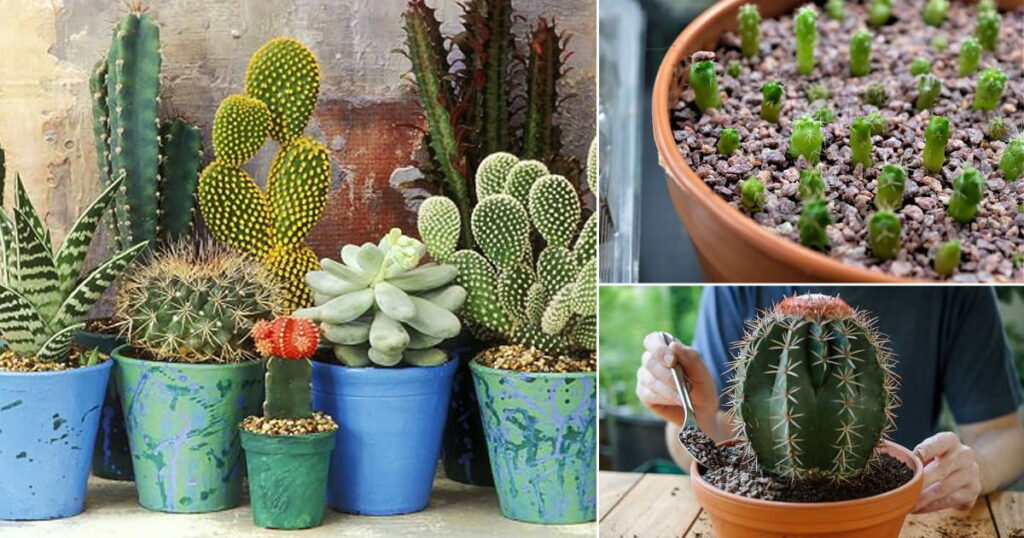
There’s something almost magical about watching a cactus seed—no larger than a grain of sand—transform into a spiky sentinel of the desert. It’s a slow, deliberate metamorphosis, one that rewards patience with a living sculpture of resilience. Rare cacti, in particular, seem to carry an extra layer of mystique; their growth is a whispered secret of arid ecosystems, a dance between scarcity and tenacity. If you’ve ever marveled at the geometric perfection of an Ariocarpus retusus or the ghostly bloom of a Lophophora williamsii, you’re not just admiring a plant—you’re witnessing the outcome of millennia of evolutionary cunning. Growing these botanical rarities from seed isn’t just gardening; it’s an act of communion with the desert’s most guarded treasures.
The Allure of the Uncommon: Why Rare Cacti Captivate Us
Rare cacti are the aristocrats of the succulent world—elusive, often misunderstood, and draped in an aura of exclusivity. Unlike their more common cousins, which thrive in nurseries and windowsills, these species often hail from hyper-specific microclimates: the crevices of vertical limestone cliffs in Mexico, the fog-draped canyons of Peru, or the sun-baked flats of Argentina. Their rarity isn’t accidental; it’s a survival strategy. Many have evolved to germinate only under precise conditions—after a rare desert rain, perhaps, or when temperatures dip just low enough to mimic winter stratification. This finickiness makes them fascinating, but it also turns their cultivation into a puzzle worth solving.
Consider the Turbinicarpus genus, a group of tiny, globular cacti that look like they’ve been sculpted by a jeweler. Their seeds are so minuscule that they’re nearly invisible to the naked eye, yet they contain the blueprint for a plant that may take decades to mature. The challenge isn’t just in coaxing them to sprout—it’s in replicating the exacting conditions of their native habitats, where the soil is mineral-rich, the air is bone-dry, and the sun is relentless. When you finally see a seedling push through the surface, it’s like uncovering a buried treasure.
Selecting Your Botanical Holy Grail: Choosing the Right Species
Not all rare cacti are created equal. Some, like the Pediocactus knowltonii, are so endangered that wild collection is illegal, while others, such as the Mammillaria theresae, are prized for their velvety textures and vibrant flowers. Before you dive into germination, ask yourself: What draws you to these plants? Is it the challenge of cultivating a Copiapoa from Chile’s Atacama Desert, where rainfall is measured in millimeters per decade? Or perhaps the ethereal beauty of a Frailea, a genus so small that some species are called “button cacti”? Each choice will dictate your approach to soil, light, and care.
For beginners, species like Gymnocalycium or Echeveria hybrids offer a gentler introduction, while purists might gravitate toward Obregonia denegrii, a slow-growing Mexican native with a single, spiraling rib. Research is key—look for plants with documented germination requirements, as some rare species refuse to sprout without a period of cold stratification or a specific fungal association in the soil. Join cactus societies or forums where enthusiasts share their hard-won successes (and failures). The community’s collective wisdom can save you years of trial and error.
The Germination Gambit: Setting the Stage for Success
Germinating rare cactus seeds is less about brute force and more about finesse. The first rule? Sterility. These seeds are vulnerable to mold and bacterial rot, so your tools—pots, soil, even water—must be immaculate. A 10% hydrogen peroxide solution (3% diluted to half strength) can sterilize seeds before sowing, while a well-draining mix of pumice, perlite, and a smattering of coconut coir mimics the gritty, nutrient-poor soils of their native haunts. Avoid peat-heavy mixes, which retain too much moisture and can drown delicate seedlings.
Timing matters, too. Many rare cacti require a period of cold stratification to break dormancy—a winter-like pause that tricks the seed into believing it’s survived a desert’s lean season. Place your seeds in a damp paper towel, seal them in a plastic bag, and refrigerate for 4–6 weeks. When you’re ready to sow, scatter the seeds on the soil surface (they need light to germinate) and mist lightly with a spray bottle. Cover the pot with a clear lid or plastic wrap to maintain humidity, but remove it daily to prevent condensation from drowning the seeds. Place the pot in a warm spot (70–80°F) with bright, indirect light. Patience is your ally here—some seeds may take months to sprout, while others vanish entirely, leaving you to wonder if they ever existed at all.
The Crucible of Growth: Nurturing Seedlings to Maturity
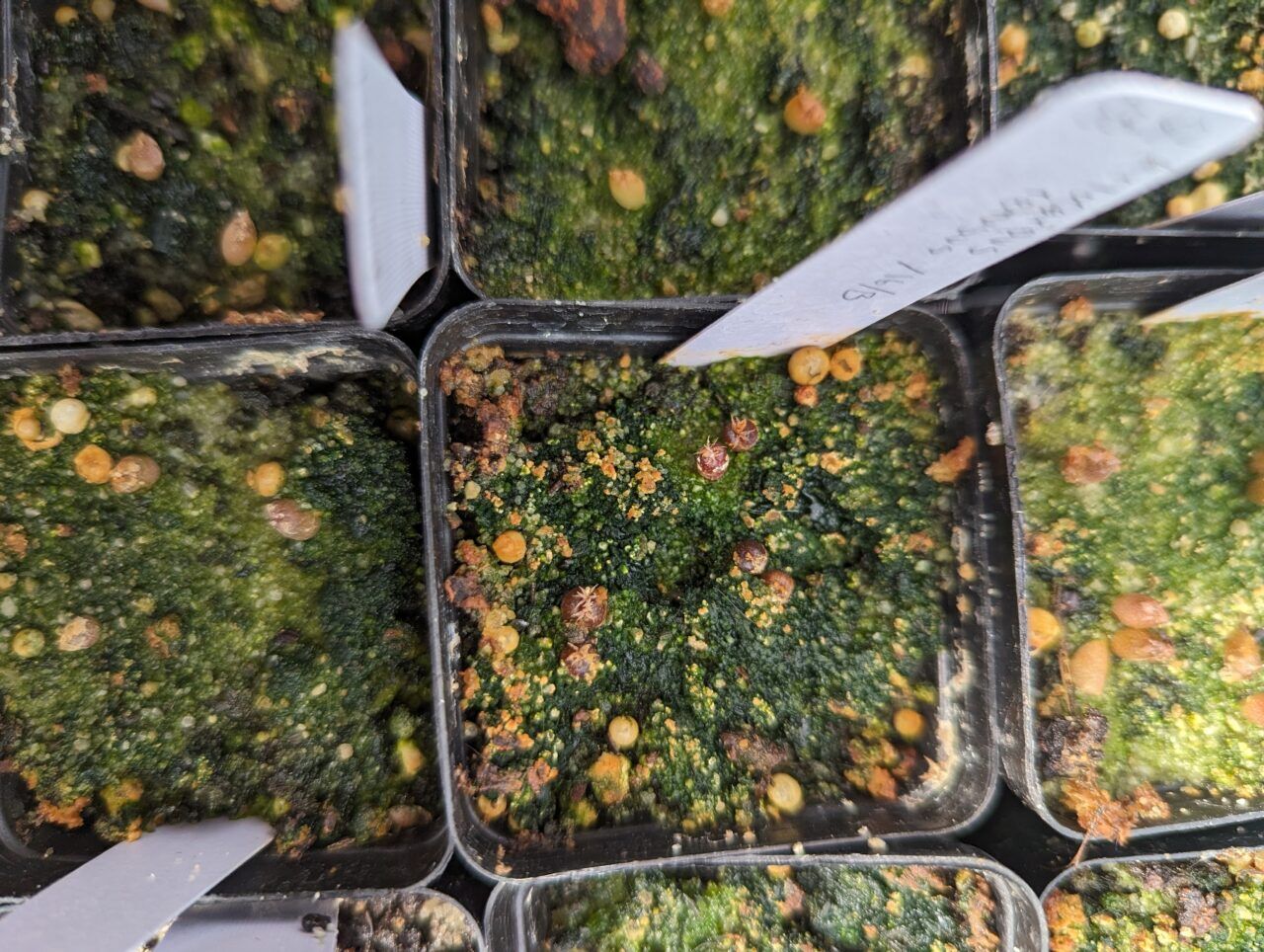
Once your seeds have sprouted, the real work begins. Seedlings are fragile, their tiny bodies susceptible to etiolation (stretching from lack of light) and damping-off (a fungal plague that topples them like dominoes). To prevent etiolation, provide 12–14 hours of bright light daily, using a grow light if natural sunlight is insufficient. A south-facing window can work, but supplement with artificial light to avoid the “leggy” fate of poorly lit cacti. For damping-off, ensure your soil is dry between waterings, and avoid overcrowding—thin seedlings to give each one room to breathe.
Watering is an art form. Rare cacti despise soggy roots, so water only when the soil is completely dry to the touch. When you do water, drench the pot thoroughly, then let it drain completely. A spray bottle is ideal for misting young seedlings, as it delivers moisture without displacing them. As they grow, gradually introduce them to the harsher conditions they’ll face as adults—more light, less frequent watering, and a gradual reduction in humidity. Some growers swear by a “winter rest” period, where they withhold water entirely for a few months to simulate dormancy. This mimics their natural cycles and can encourage flowering in mature plants.
The Slow Burn: Patience and the Art of Long-Term Care
Rare cacti are not for the impatient. A Lophophora might take 5–10 years to flower, while a Neoporteria can live for decades without so much as a bud. This glacial pace is part of their allure—they’re living antiques, each wrinkle and spine a testament to time. To care for them properly, you’ll need to embrace a gardening philosophy that prioritizes consistency over speed. Use a mineral-based soil mix, as organic matter breaks down too quickly and can suffocate roots. A top dressing of coarse sand or gravel helps prevent rot and mimics the rocky terrain of their native habitats.
Fertilizing is a delicate dance. Rare cacti evolved in nutrient-scarce environments, so they’re easily overwhelmed by rich soils. Use a diluted, low-nitrogen fertilizer (5-10-10 NPK) sparingly—once in spring and once in summer, at half strength. Overfeeding can lead to weak, etiolated growth or, worse, a premature demise. As for repotting, do it only when absolutely necessary, as these plants thrive when slightly root-bound. When you do repot, choose a container just one size larger, and handle the roots with the reverence of a curator handling a priceless artifact.
Troubleshooting the Unseen: Common Pitfalls and Their Fixes
Even the most meticulous grower will encounter setbacks. Yellowing or wrinkled skin can signal overwatering, while a sunken appearance often means underwatering. If your cactus develops brown, corky spots, it’s likely suffering from sunburn—a reminder that rare species need a gradual introduction to intense light. Pests, though less common in cacti, can still strike; mealybugs and scale insects love to hide in the crevices of globular species like Gymnocalycium. Treat infestations with a cotton swab dipped in rubbing alcohol, or use a systemic insecticide for severe cases.
One of the most heartbreaking issues is rot, which often begins at the base and spreads upward like a silent assassin. If you notice a soft, mushy spot, act immediately: remove the plant from its pot, trim away the rotten tissue with a sterilized knife, and dust the wound with sulfur or cinnamon. Let the plant dry for a week before repotting it in fresh, sterile soil. Prevention is always better—ensure your pots have drainage holes, and never let your cactus sit in a saucer of water.
The Reward: A Living Legacy in Spikes and Blooms
There’s a profound satisfaction in growing a rare cactus from seed—a plant that might outlive you, that carries the DNA of a lineage stretching back millennia. When your Ariocarpus finally unfurls its first flower, or your Turbinicarpus sends up a single, perfect bud, it’s not just a horticultural achievement. It’s a connection to the desert’s secrets, a tangible piece of a world that thrives where others cannot. These plants teach patience, resilience, and the beauty of slow growth. They remind us that rarity isn’t just about scarcity—it’s about the extraordinary hidden in plain sight.
So, if you’ve ever dreamed of cultivating a cactus that few have seen bloom, start small. Choose a species that speaks to you, prepare your soil with care, and embrace the wait. The desert’s wonders are not given—they’re earned, one careful watering at a time.
FAQ
What is the best way to germinate cactus seeds?
The best way to germinate cactus seeds is to use a sterile mix of pumice and perlite, provide adequate light, and maintain humidity while ensuring good drainage.
How long does it take for cactus seeds to sprout?
Cactus seeds can take anywhere from a few weeks to several months to sprout, depending on the species and environmental conditions.
What are common mistakes when growing cacti from seeds?
Common mistakes include overwatering, using the wrong soil mix, and not providing enough light for seedlings.



Leave a Reply