
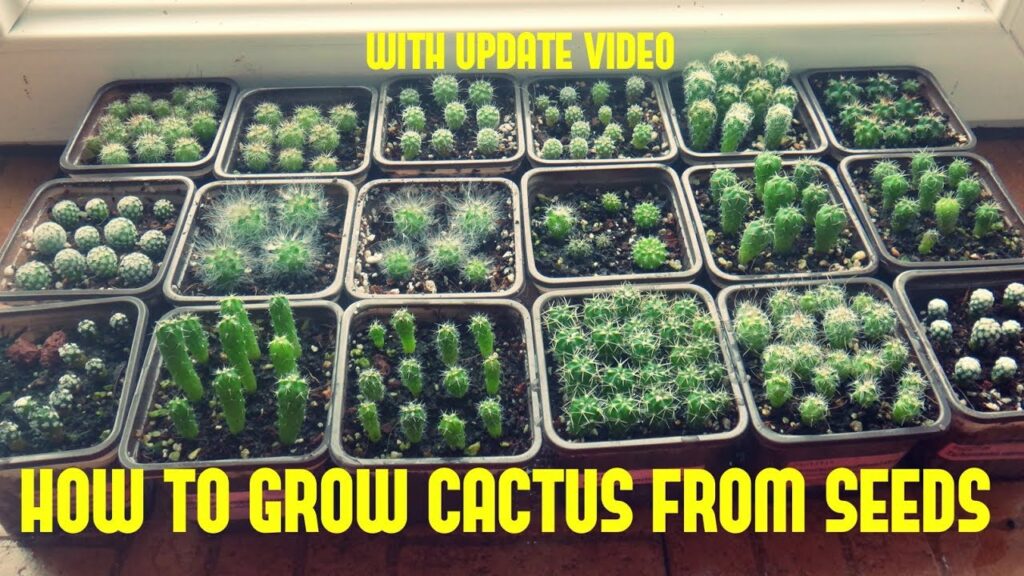
Short Answer
Planting cactus seeds is an endeavor that beckons both the novice gardener and the seasoned horticulturist. Many individuals might overlook the beauty of these plants, often relegating them to arid landscapes and desert imagery. However, the reality of cultivating cacti from seed offers a fascinating glimpse into the resilience and diversity of these remarkable succulents. Understanding how to plant cactus seeds properly will not only provide you with an enticing array of decorative houseplants but also transform your relationship with nature.
The romantic notion of nurturing a life from such a seemingly delicate seed often evokes a sense of wonder and curiosity. This guide delves deep into the intricacies of seed germination, tapping into the secrets that will ensure your foray into cactus horticulture is rewarding and successful.
Let’s embark on this botanical journey that promises to shift your perspective on these extraordinary plants.
Understanding Cactus Seeds and Their Requirements
Before delving into the nitty-gritty of planting cactus seeds, it is imperative to comprehend the unique biology and environmental needs of these plants. Cactus seeds vary significantly both in size and germination characteristics, influenced by the species they belong to. Some are tiny, resembling grains of sand, while others are more substantial, each carrying the promise of a unique variety once nurtured adequately.
It’s essential to realize that cacti have adapted to thrive in arid, often unforgiving climates. Therefore, replicating these conditions during the germination process is crucial. Most cactus seeds require warmth and light to trigger their germination, often preferring temperatures between 70°F (21°C) and 85°F (29°C). A warm, bright space can promote faster and more successful germination.
Gathering Your Supplies for Success
Before you set off on this journey, gathering the right tools and materials will pave the path for a successful germination process.
First, consider a suitable container for your seeds. Seed trays or shallow pots with good drainage will suffice. Drainage is imperative as cacti are particularly sensitive to overwatering, which can lead to rot. Additionally, high-quality cactus soil or a mixture that includes perlite or sand will ensure adequate aeration and drainage.
Furthermore, clear plastic wrap or a propagator can create a miniature greenhouse effect, maintaining humidity while allowing sunlight to penetrate. Lastly, a spray bottle filled with water will help you regulate moisture without drenching the soil.
Preparing the Soil: A Crucial Step
Soil preparation is often overlooked, yet it plays a pivotal role in germination. Select a soil mix designed specifically for cacti or create your own by combining potting soil with coarse sand and perlite in a ratio of 2:1:1. This ensures moisture retention while allowing excess water to escape, a crucial balance when working with these moisture-sensitive seeds.
Once your mix is ready, fill your containers to about three-quarters full and gently flatten the surface to create an even substrate. Water the soil lightly before sowing the seeds to ensure that the mix is adequately moist but not waterlogged.
The Art of Sowing: Planting Cactus Seeds
With your soil prepared, it’s time to plant. Scatter your cactus seeds across the surface of the soil, keeping them spaced apart to allow for individual growth. Unlike many other seeds, cactus seeds often require light for germination; hence, do not bury them. Instead, press them lightly into the soil to ensure good contact, which will promote germination by allowing moisture to reach the seeds.
Once the seeds are sown, cover the container with plastic wrap or place it in a propagator to maintain humidity. Ensure to place the setup in a location that receives bright, indirect sunlight. Monitor the moisture levels, and spray the surface lightly whenever it feels dry. This delicate balance will foster a suitable microclimate for your seeds to tease out their full potential.
Patience and Observation: The Waiting Game
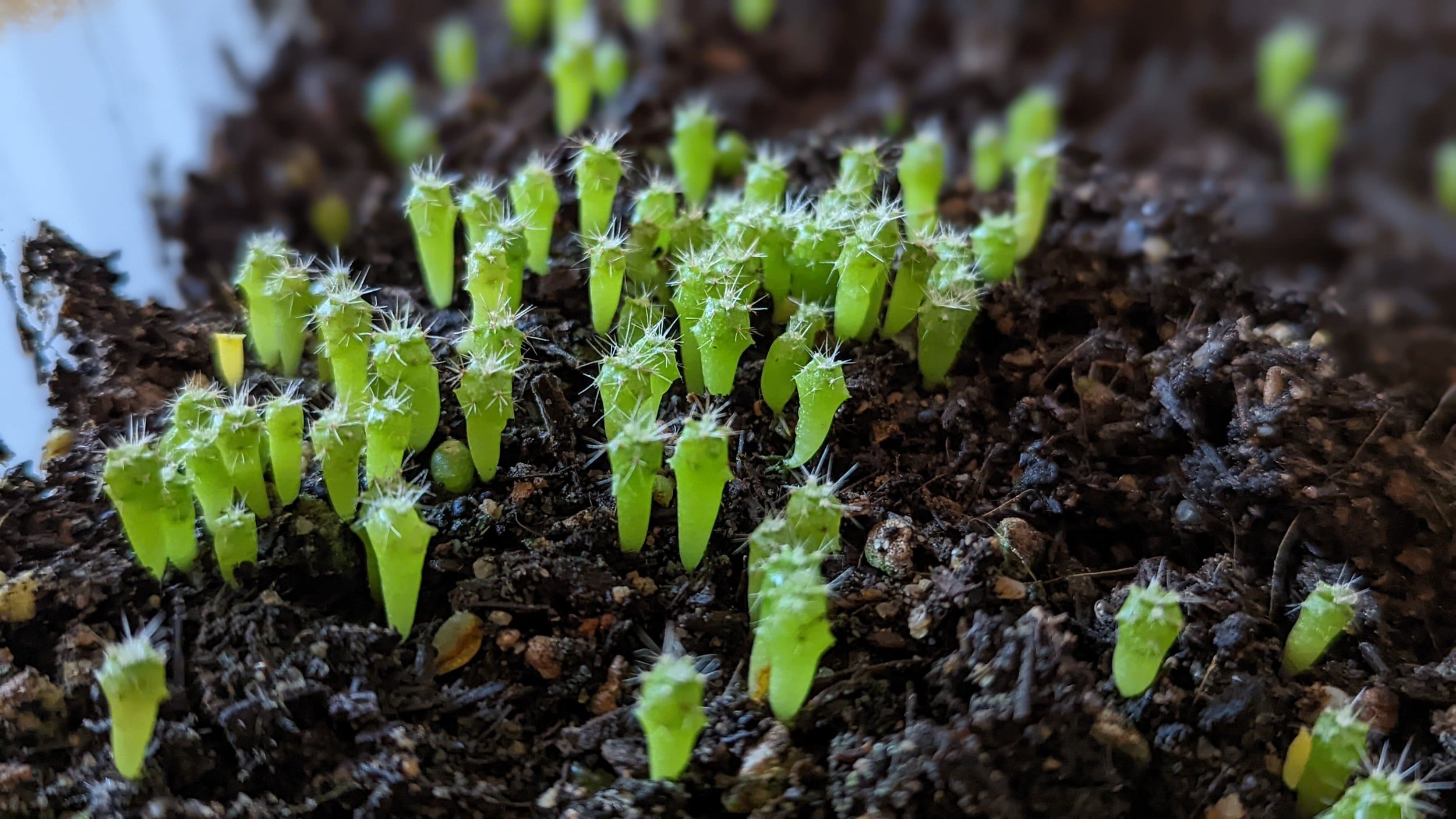
Patience is often a gardener’s greatest virtue. Cactus seeds can take anywhere from a few weeks to several months to germinate, depending on the species. During this time, the environment you create is vital. Keep the soil consistently moist, but not drenched, and observe how conditions change. The gradual emergence of those tiny seedlings will ignite a sense of accomplishment, a tangible reward for your diligence and care.
Managing Seedlings: The Transition Phase
As seedlings begin to sprout, gradually acclimatizing them to outside air is essential before transferring them into larger pots or outdoors. This “hardening off” is crucial, as young cacti can be particularly sensitive to direct exposure to harsh light or fluctuating temperatures.
After a few weeks of careful monitoring, you can begin to separate seedlings, ensuring that each has sufficient space to grow. Transplant them into individual pots with similar well-draining soil, giving them more room to thrive. Monitoring their growth and adjusting care routines as necessary will foster healthy development.
Conclusion: The Joy of Cultivating Cacti
Planting cactus seeds may initially seem daunting, yet the process is imbued with joy and satisfaction. By closely observing their growth journey, you not only cultivate plants but potentially redefine your relationship with nature.
As you nurture these seeds to fruition, you’ll find that cactus cultivation transcends mere gardening; it transforms into an enlightening experience brimming with discovery and connection to the earth. So embark on this botanical adventure, and let your curiosity guide you. The world of cacti awaits your touch.
FAQ
How long does it take for cactus seeds to germinate?
Cactus seeds typically take from a few weeks up to several months to germinate, depending on the species.
Should cactus seeds be buried in the soil?
No, cactus seeds generally require light to germinate and should be sown on the soil surface and pressed lightly.
What type of soil is best for cactus seed germination?
A well-draining mix with potting soil, coarse sand, and perlite in a 2:1:1 ratio works best.
How often should I water cactus seeds during germination?
Keep the soil lightly moist using a spray bottle, avoiding overwatering and waterlogging.
When can seedlings be transplanted?
Once seedlings are strong enough and have been hardened off, they can be separated and transplanted into individual pots.


Leave a Reply