
Short Answer
There’s something quietly heroic about repotting a spiny cactus. It’s not just about moving a plant from one pot to another—it’s a ritual of care, a moment of connection between human and desert dweller. The spines, sharp as a knight’s armor, seem to whisper warnings: *Proceed with caution.* Yet, beneath their prickly exterior lies a world of resilience, a silent testament to survival in the harshest of environments. When you lift a cactus from its cramped home, you’re not just changing its soil; you’re participating in a timeless exchange of trust and nurturing. The act itself is meditative, almost ceremonial, as if you’re tending to a miniature fortress that has spent years fortifying itself against the world. And yet, for all its defiance, a cactus thrives only when given the right conditions—just like any living thing.
The Art of Timing: When to Repot Your Spiny Guardian
Repotting isn’t a whimsical decision; it’s a calculated move, dictated by the cactus’s own rhythms. The ideal window opens in early spring, when the plant emerges from its winter dormancy, brimming with latent energy. This is when roots are most eager to stretch, to explore fresh terrain. Waiting too long risks stunting growth, while repotting in the dead of winter can send the cactus into shock. Watch for telltale signs: roots peeking through drainage holes, soil that dries out in a blink, or a top-heavy plant teetering precariously. These are not flaws—they’re cries for space, for room to unfurl. Ignoring them is like keeping a marathon runner in a broom closet; eventually, something’s got to give.
Gearing Up: Essential Tools for a Prickly Procedure
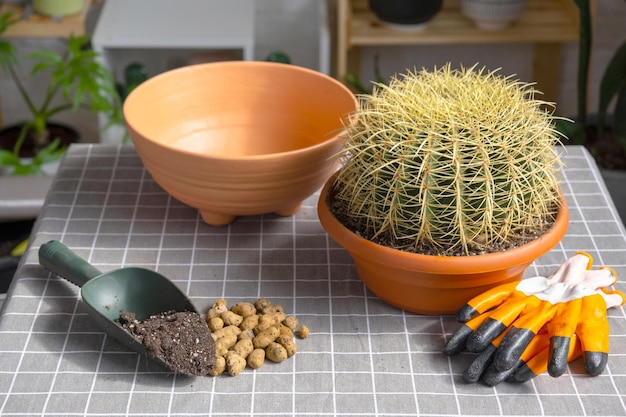
This isn’t a task for bare hands. Arm yourself with a pair of thick, puncture-resistant gloves—think of them as your cactus’s knightly armor. A long-handled trowel or a specialized cactus spoon will spare your wrists from the strain of digging in dense soil. Don’t underestimate the power of newspaper or cardboard; lay it down to catch the inevitable cascade of soil and spines. A pair of tongs or kitchen chopsticks can be lifesavers when maneuvering around those treacherous spines. And of course, a fresh pot—one that’s only slightly larger than the old—ensures your cactus doesn’t drown in excess moisture. Each tool has its role, like instruments in an orchestra, harmonizing to make the repotting process as smooth as possible.

The Delicate Dance: Removing the Cactus Without the Ouch
Here’s where patience becomes your greatest ally. Gently grasp the cactus at its base—never the spines—and ease it from its pot. If it resists, tap the sides of the container or run a butter knife along the rim to loosen the soil’s grip. Should the roots cling stubbornly, don’t yank; instead, tilt the pot and coax them free with your trowel. The goal is to preserve the root ball intact, a fragile network of life that’s spent years weaving through the soil. Once freed, inspect the roots for rot or pests—blackened, mushy roots are a red flag, signaling it’s time for a trim. Healthy roots are firm and white, a stark contrast to the decay that lurks in damp corners. This is where your cactus’s story is written: in the health of its roots, in the soil it leaves behind.
Soil Secrets: Crafting the Perfect Desert Habitat
A cactus isn’t picky, but it does demand precision. Standard potting soil is a death sentence—too dense, too moisture-retentive. Instead, blend a concoction of coarse sand, perlite, and a dash of peat moss or coconut coir. The sand provides grit, mimicking the cactus’s native rocky terrain, while perlite ensures aeration, preventing the roots from suffocating. For those in humid climates, a higher ratio of inorganic matter (like pumice) is key to warding off rot. The soil should crumble like fresh breadcrumbs, never clump like wet clay. Think of it as building a miniature desert—every grain has a purpose, every texture a role in sustaining life where others would wither.
Pot Perfection: Choosing the Right Home for Your Cactus
The pot isn’t just a container; it’s a statement of intent. Terracotta is a classic choice, its porous nature wicking away excess moisture and forcing roots to stay lean and efficient. Plastic, on the other hand, retains heat and humidity, a double-edged sword that can either nurture or smother. The size matters too—only an inch or two of extra diameter is needed; any more, and you risk drowning the cactus in a sea of unused soil. Ensure the pot has drainage holes, a non-negotiable feature. If you’re feeling adventurous, consider a shallow, wide dish for sprawling species like the golden barrel cactus. The right pot doesn’t just hold a plant; it becomes an extension of its identity.

The Grand Finale: Settling In and Post-Repotting Care
With your cactus nestled in its new home, resist the urge to water immediately. Let it rest for a week or two, a period of adjustment where the roots can acclimate without the threat of rot. Place it in bright, indirect light—direct sun can scorch a freshly disturbed plant. When the time comes to hydrate, water deeply but sparingly, allowing the soil to dry out between sessions. For the first month, observe it like a hawk. Yellowing, wrinkling, or a sudden slump are distress signals. A healthy cactus post-repotting is a study in stillness; it may not grow overnight, but it’s laying the groundwork for future grandeur. This is the quiet magic of repotting: the patience, the precision, the unspoken promise that you’re giving your cactus the space to thrive.
Why We’re Drawn to the Ritual of Repotting
There’s a deeper allure to repotting a cactus, one that transcends the practical. In a world of instant gratification, tending to a plant that moves at a glacial pace is a rebellion. It’s a reminder that growth isn’t always visible, that patience is its own form of strength. The spines, so often seen as barriers, become symbols of resilience. They teach us that protection doesn’t have to be soft to be kind. And when you finally step back, surveying your handiwork, there’s a sense of accomplishment—not because the task was easy, but because it was meaningful. Repotting a cactus isn’t just gardening; it’s a dialogue between human and plant, a silent conversation about time, care, and the quiet tenacity of life.
FAQ
What is the best soil mix for cacti?
A good soil mix for cacti includes coarse sand, perlite, and a small amount of peat moss or coconut coir.
How do I care for my cactus after repotting?
After repotting, avoid watering for a week, place in bright, indirect light, and monitor for signs of distress.

Leave a Reply