
Short Answer
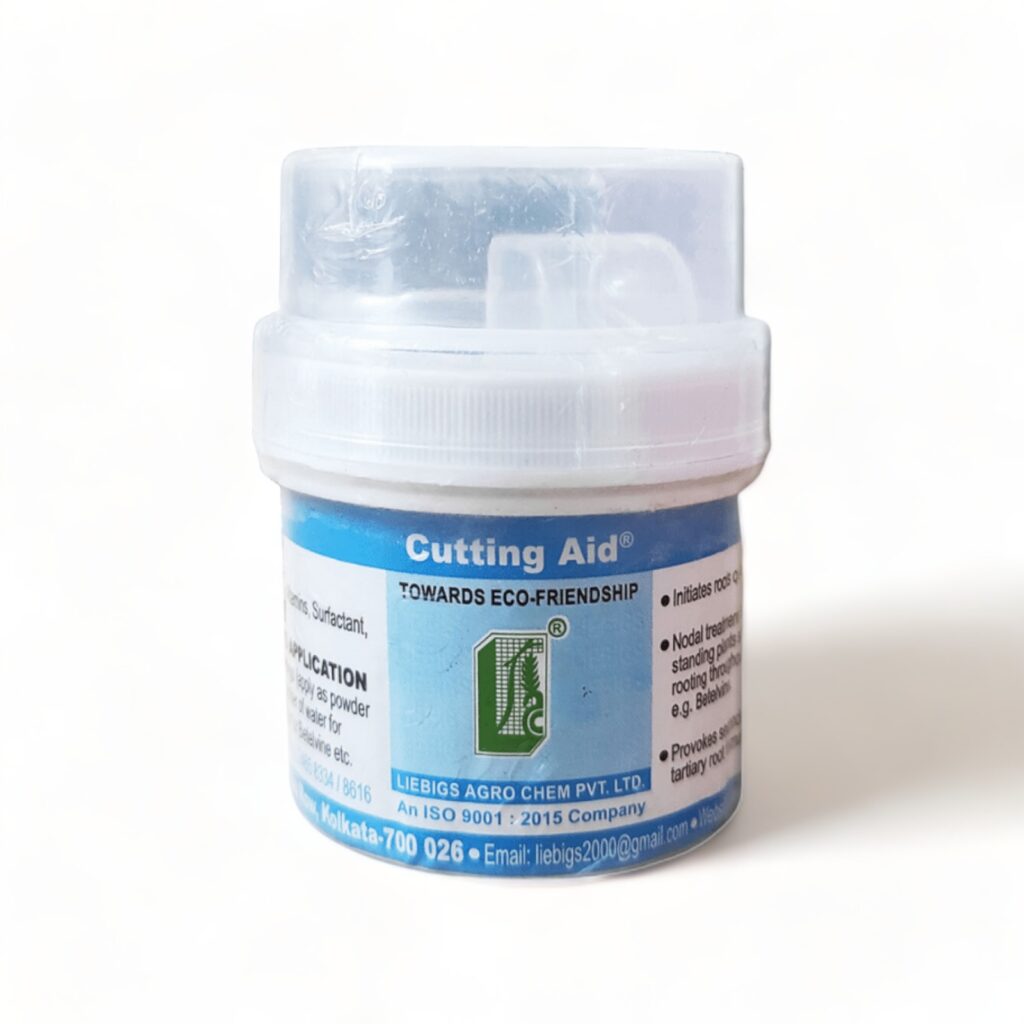
The art of propagation has fascinated plant enthusiasts for centuries. Among the various methods employed, the use of rooting hormone powder stands out as a pivotal component for success in developing robust root systems in cuttings. This article aims to elucidate the nuances of utilizing rooting hormone powder, elucidating different methodologies for various plant types, while providing indispensable tips for successful plant propagation.
When delving into the realm of rooting hormones, one must appreciate that these products are designed to enhance plant growth by accelerating root development. They typically contain auxins, a class of plant hormones that play a crucial role in root formation. Understanding how to effectively use these powders can mean the difference between thriving cuttings and failed attempts.
The first step in successful propagation is selecting the appropriate medium and container. It is paramount to choose a propagation medium that offers excellent drainage yet retains some moisture. Options like peat moss, perlite, vermiculite, or a mix of these are ideal. Containers can range from seed trays to small pots, ensuring that they have drainage holes to prevent waterlogging, which can be detrimental to newly developing roots.
Once you’ve prepared your container, the subsequent step involves gathering your plant cuttings. Select healthy parent plants and take cuttings that are at least a few inches long. Choosing semi-hardwood cuttings, typically taken in late spring to early summer, can yield superior results. Additionally, cuttings should ideally have at least two to three nodes, as these are the areas where roots are likely to develop.
Before applying rooting hormone powder, it is critical to prepare the cuttings. First, remove any lower leaves that may become submerged in the propagation medium, as this can lead to rot. Using a sharp, clean knife or scissors, make a clean cut just below a node; this is where the roots will emerge. The cut should be at an angle to increase the surface area for hormone absorption.
Understanding the different types of rooting hormone powders available can enhance your propagation endeavors. Generally, rooting hormones come in three formulations: powders, gels, and liquids. Powder form is widely favored due to its ease of use and cost-effectiveness. Gels provide a more controlled application, while liquid hormones are often used for soaking methods. Choose a product that aligns with your preference and type of clippings.
To apply the rooting hormone powder effectively, dip the cut end of the cutting into water and then into the powder. Shake off any excess to prevent clumping and ensure an even coating. This process activates the auxins and gives the cuttings a significant advantage in developing roots. It’s important to avoid too much hormone, as excessive amounts can inhibit rooting rather than promote it.
Now let’s delve into some outstanding tips to enhance your propagation experience with rooting hormone powder. Understanding the hydration needs of your cuttings is crucial. After planting your cuttings in the prepared medium, thoroughly water them. However, do not inundate. Maintaining consistent moisture is vital, and misting the cuttings can help retain humidity, particularly in drier environments.
Environmental conditions play a pivotal role in the rooting process. Ideal temperatures for rooting generally range between 70°F to 75°F (21°C to 24°C). Utilizing a humidity dome or a plastic bag can create a microenvironment that retains moisture, thereby facilitating successful root development. Monitor the conditions regularly, ensuring proper air circulation to prevent mold and bacterial infections, which can jeopardize the cuttings.
Timing is another essential factor. Patience is key; root development can take anywhere from a few weeks to several months, depending on the plant type and environmental conditions. Periodically check for root establishment by gently tugging on the cuttings. With rooted cuttings, you may notice some resistance, indicating that roots are forming.
Once your cuttings have developed sufficient roots, it’s time to acclimate them to the outside environment before moving them to their final destination. This process, known as hardening off, involves gradually exposing them to outdoor conditions over a week or so. This step is crucial to prevent transplant shock, which can occur if young plants are abruptly transitioned to harsh outdoor environments.
In conclusion, the use of rooting hormone powder is an invaluable technique in successful plant propagation. By adhering to the outlined steps and applying the provided tips, anyone can establish a thriving assortment of plants. Approach this engaging botanical practice with diligence and care, and you will experience the gratifying phenomenon of watching your plant cuttings flourish into robust, lively specimens.
FAQ
What is rooting hormone powder used for?
Rooting hormone powder is used to stimulate root growth in plant cuttings, increasing the success rate of propagation.
How do you apply rooting hormone powder correctly?
Dip the cut end of the plant cutting in water, then dip it into the rooting hormone powder, shaking off excess before planting.
Can rooting hormone powder be used on all types of plants?
While rooting hormone powder is effective for many plants, some species may require specific formulations or methods for best results.
What environmental conditions help rooting hormone powder work best?
Ideal conditions include temperatures between 70°F to 75°F, consistent moisture, good air circulation, and humidity retention.
How long does it take for roots to develop after applying rooting hormone powder?
Root development can take from a few weeks to several months depending on the plant type and environmental conditions.


Leave a Reply