
Short Answer
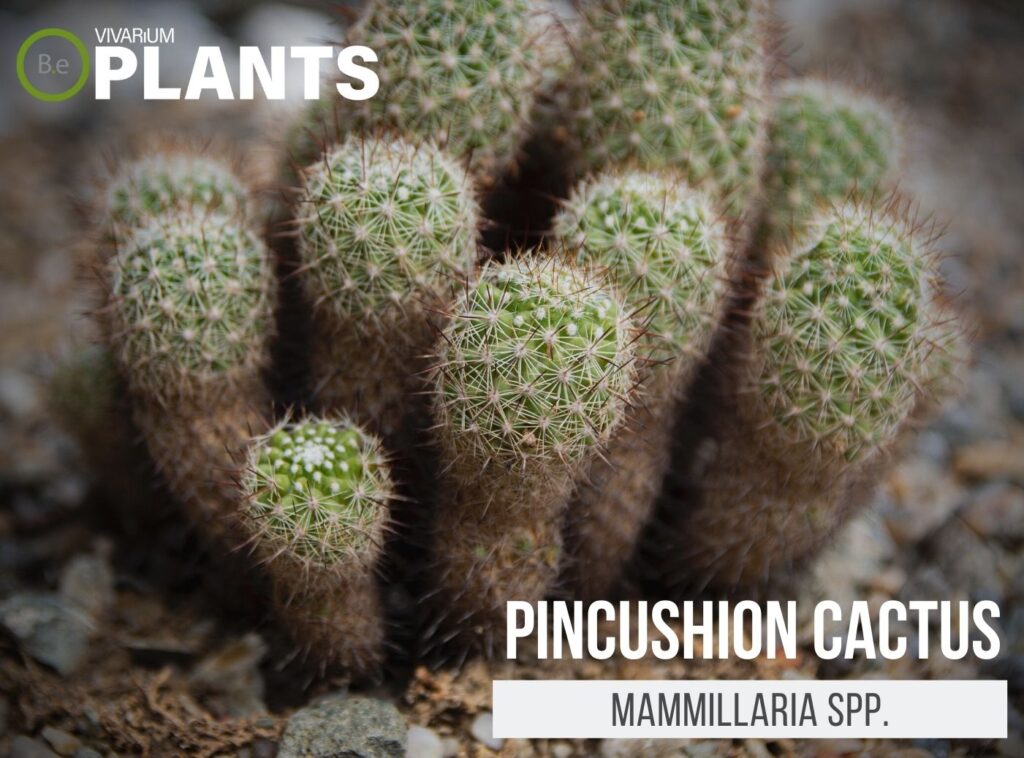
There’s something almost magical about the way a pincushion cactus thrives in the harshest of environments—its round, spiky form a defiant burst of green against the barren desert. For kids, this tiny titan of the plant world is more than just a prickly curiosity; it’s a living puzzle, a miniature fortress, and a first lesson in resilience wrapped in a package no bigger than a tennis ball. The Mammillaria, with its endearing nickname “pincushion cactus,” isn’t just adorable—it’s a gateway to wonder, a spark that can ignite a lifelong love for the natural world.
The Allure of the Miniature Fortress: Why Kids Are Drawn to Mammillaria
Children possess an innate fascination with the diminutive and the detailed. A pincushion cactus, often no larger than a child’s palm, fits this fascination perfectly. Its spherical shape, reminiscent of a hedgehog or a tiny porcupine, invites touch—though caution is advised! The dense clusters of spines, arranged in geometric patterns, create a tactile labyrinth that begs exploration. Kids instinctively recognize the paradox: something so small can be so fiercely protected. This duality—adorable yet formidable—mirrors the complexities children themselves are beginning to understand about their own world. The cactus becomes a metaphor for inner strength, a silent teacher that says, “I may be small, but I am mighty.”
From Desert Dwellers to Windowsill Guardians: Bringing Mammillaria Home
Introducing a Mammillaria into a child’s life is like welcoming a tiny desert ambassador into the home. These cacti are remarkably adaptable, thriving in bright, indirect light and requiring minimal care—perfect for young plant enthusiasts still learning the delicate balance of responsibility. A sunny windowsill becomes a miniature ecosystem, where the child can observe the cactus’s slow, steady growth. Over time, offsets or “pups” may sprout around the base, offering a visual lesson in propagation and family growth. The act of watering, of observing soil moisture, and of noting seasonal changes fosters patience and attentiveness. In a world of instant gratification, the pincushion cactus teaches the value of slow, deliberate care.
The Science Behind the Spines: A Lesson in Adaptation
Beneath its charming exterior, the Mammillaria is a marvel of evolutionary ingenuity. The spines, often mistaken for mere decoration, serve critical functions: they shield the cactus from herbivores, reduce water loss by creating a microclimate, and even diffuse harsh sunlight. For kids, this is a hands-on biology lesson. A simple magnifying glass can reveal the intricate structure of the spines, while a flashlight shone through the translucent body of the cactus can highlight its water-storing tissues. The cactus’s ability to survive in arid conditions sparks questions: How do plants drink? Why do some have spines while others have leaves? These inquiries open doors to deeper ecological understanding, turning a simple houseplant into a living textbook.
Creative Connections: Art, Stories, and the Pincushion Cactus
The visual appeal of the Mammillaria makes it a natural muse for creativity. Children can sketch its spiraling spines, paint its vibrant blooms, or even craft a papier-mâché version to adorn their rooms. The cactus’s round form lends itself to storytelling—imagine a tiny desert village built around it, or a tale of a brave little cactus defending its home from a hungry tortoise. The pincushion cactus becomes a character in imaginative play, a silent participant in a child’s inner world. For educators, it’s a versatile tool: a prompt for creative writing, a subject for nature journals, or a prop in science experiments. Its adaptability extends beyond the soil into the realms of art and narrative, making it a cherished companion in both learning and leisure.
Cultivating Curiosity: Activities to Deepen Engagement
To truly kindle a child’s fascination with Mammillaria, hands-on activities are essential. A “cactus diary” where they record growth, watering schedules, and mood changes (yes, even plants have personalities in a child’s eyes!) can turn observation into a cherished ritual. Planting seeds in clear containers allows them to watch roots develop, while a DIY terrarium turns the cactus into the centerpiece of a miniature desert landscape. For older children, researching the cactus’s native habitat—often the rocky slopes of Mexico or the American Southwest—can lead to discussions about biodiversity and conservation. The pincushion cactus isn’t just a plant; it’s a catalyst for exploration, a starting point for questions that stretch far beyond its spiky silhouette.
The Emotional Bond: Why Kids Form Attachments to Their Cacti
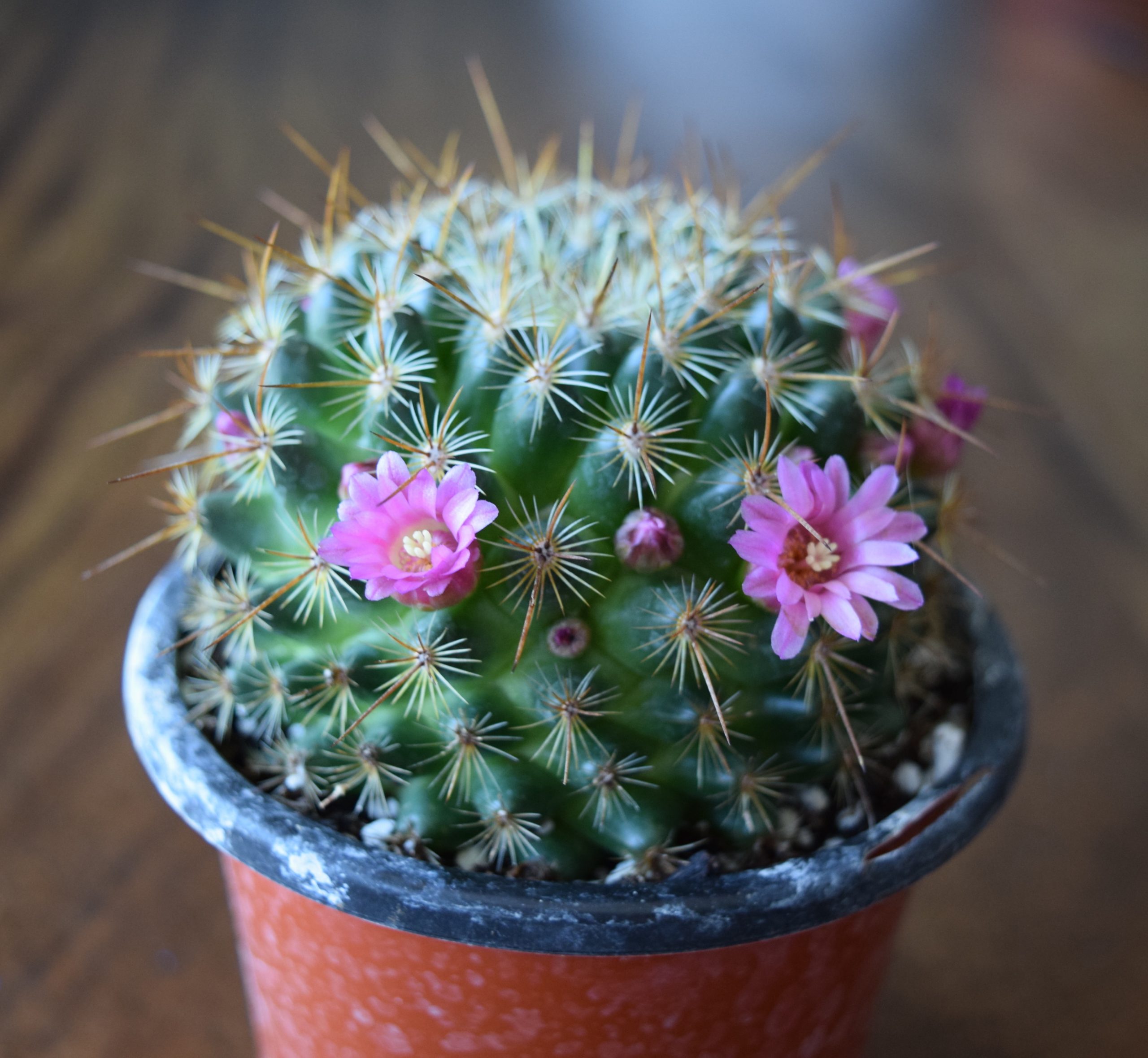
There’s an emotional alchemy that happens when a child nurtures a living thing. The Mammillaria, with its quiet presence and gradual growth, becomes more than a plant—it becomes a confidant. Children talk to their cacti, name them, and celebrate their blooms as if they were personal achievements. This bond is rooted in the cactus’s steadfast nature; it doesn’t demand constant attention, yet it responds to care with subtle rewards. A single flower, bursting forth like a tiny firework, can feel like a miracle to a young mind. In a fast-paced world, the pincushion cactus offers a lesson in presence, in the beauty of the slow and steady. It teaches children that relationships—whether with plants, people, or ideas—are built on patience and attentiveness.
Beyond the Pot: Mammillaria in the Wider World
The journey with a Mammillaria doesn’t have to end at the windowsill. Many species of this cactus produce vibrant flowers in shades of pink, yellow, or white, offering a spectacle that can inspire trips to botanical gardens or cactus farms. Some children may even join local gardening clubs or participate in seed exchanges, broadening their connection to the plant world. The pincushion cactus can also serve as a bridge to discussions about sustainability and climate change, as its desert origins highlight the fragility of ecosystems. By caring for a Mammillaria, children aren’t just growing a plant—they’re growing their understanding of the planet and their place within it.
The Mammillaria is more than an adorable cactus; it’s a tiny universe of discovery, a symbol of resilience, and a companion in a child’s journey of learning. In its spiky embrace, kids find not just a plant, but a friend—one that teaches them to observe, to care, and to marvel at the world’s quiet wonders. And perhaps, in time, that little cactus will grow alongside them, a living reminder that even the smallest among us can leave a lasting impression.
FAQ
What is a Mammillaria cactus?
Mammillaria is a genus of small, round cacti known as pincushion cacti, admired for their spiny, geometric patterns and adaptability to dry environments.
Are Mammillaria cacti suitable for children to care for?
Yes, Mammillaria cacti are low maintenance and resilient, making them ideal for children learning about plant care and responsibility.
How do Mammillaria spines help the cactus survive?
The spines protect against herbivores, reduce water loss by creating a microclimate, and diffuse harsh sunlight to protect the plant.
Can children propagate Mammillaria cacti?
Yes, offsets or 'pups' often grow around the base of Mammillaria, providing opportunities for children to learn about plant propagation.
What are some fun activities for kids involving Mammillaria?
Kids can keep a cactus diary, create terrariums, sketch or paint the cactus, and learn about its native desert habitat.
Leave a Reply