
Short Answer
Ever found yourself staring at a prickly, pot-bound cactus with a sinking feeling that it’s time for a change—but also a creeping dread that you might accidentally turn it into a sad, spiky pancake? You’re not alone. Repotting a cactus isn’t just about giving your spiky friend a fresh home; it’s a delicate dance between nurturing growth and avoiding a botanical disaster. Whether you’re dealing with a towering Saguaro or a tiny, round Gymnocalycium, the stakes feel high. What if the soil mix is wrong? What if the spines get the better of you? Fear not, intrepid plant parent. With the right steps, even the most formidable cactus can be coaxed into its new digs with minimal drama.
Why Repotting Your Cactus Isn’t Just a Chore—It’s an Act of Love
Picture this: your cactus has been crammed into the same pot for years, its roots tangled like a ball of yarn after a curious kitten’s playtime. Over time, the soil degrades, nutrients dwindle, and drainage becomes a pipe dream. Left unchecked, your once-vibrant succulent starts to resemble a deflated balloon—wrinkled, lackluster, and gasping for air. Repotting isn’t just about aesthetics; it’s about giving your cactus a fighting chance to thrive. Think of it as upgrading from a cramped studio apartment to a sunlit penthouse with a view (and maybe a moat of pebbles for good measure).
But here’s the twist: not all cacti are created equal. A barrel cactus might shrug off a root-bound existence, while a delicate lace cactus could wilt at the mere thought of disturbance. The key? Knowing your genus. Some cacti, like the resilient Opuntia, are forgiving, while others, such as the finicky Mammillaria, demand a gentler touch. Ignoring these nuances is like trying to fit a square peg into a round hole—messy and ultimately futile.
Gearing Up: The Tools of the Trade (and Why Your Kitchen Spoon Won’t Cut It)
Before you dive in, arm yourself with the right arsenal. A pair of sturdy tongs isn’t just for grilling—it’s your secret weapon for handling spines without resembling a pincushion. Thick gloves (think welding gloves, not your grandma’s embroidered ones) are non-negotiable. A long-handled spoon or a specialized rooting tool will help you navigate the soil like a seasoned archaeologist excavating ancient ruins. And don’t even think about skipping the newspaper or cardboard—this isn’t just for mess control; it’s your shield against rogue spines doing the cha-cha across your floor.
Soil mix is another critical player. A generic potting soil is about as useful as a screen door on a submarine. Instead, craft a blend that mimics the arid, well-draining conditions of a cactus’s natural habitat. Start with a base of cactus or succulent soil, then lighten it with perlite, pumice, or coarse sand. The goal? A mix so airy that water zips through it faster than a gossip at a high school reunion. If your mix compacts like a cheap mattress, your cactus’s roots will suffocate faster than you can say “root rot.”
The Grand Extraction: How to Evict Your Cactus Without a Fight
Now comes the moment of truth: removing your cactus from its current home. If you’ve ever tried to pry a stubborn lid off a jar of pickles, you’ll know the struggle. Cacti are masters of clinging to their pots, their roots gripping the soil like a toddler refusing to let go of a favorite toy. Start by tilting the pot sideways and gently tapping the sides to loosen the soil. If that fails, run a thin tool (like a butter knife) around the edges to break the vacuum seal.
For particularly recalcitrant specimens, don’t be afraid to get hands-on—literally. Wrap the cactus in several layers of newspaper or bubble wrap, then grip it firmly (but not crushingly) with your gloved hands. With a swift, confident motion, invert the pot and coax the root ball out. If the cactus is top-heavy, like a Ferocactus, support the base with your other hand to prevent a spine-studded avalanche. And if all else fails? A rubber band or hair tie around the top can act as a temporary handle—just don’t leave it on too long, or you’ll have a cactus with a permanent hairdo.
Root Inspection: The Forensic Analysis of Your Cactus’s Underground Life
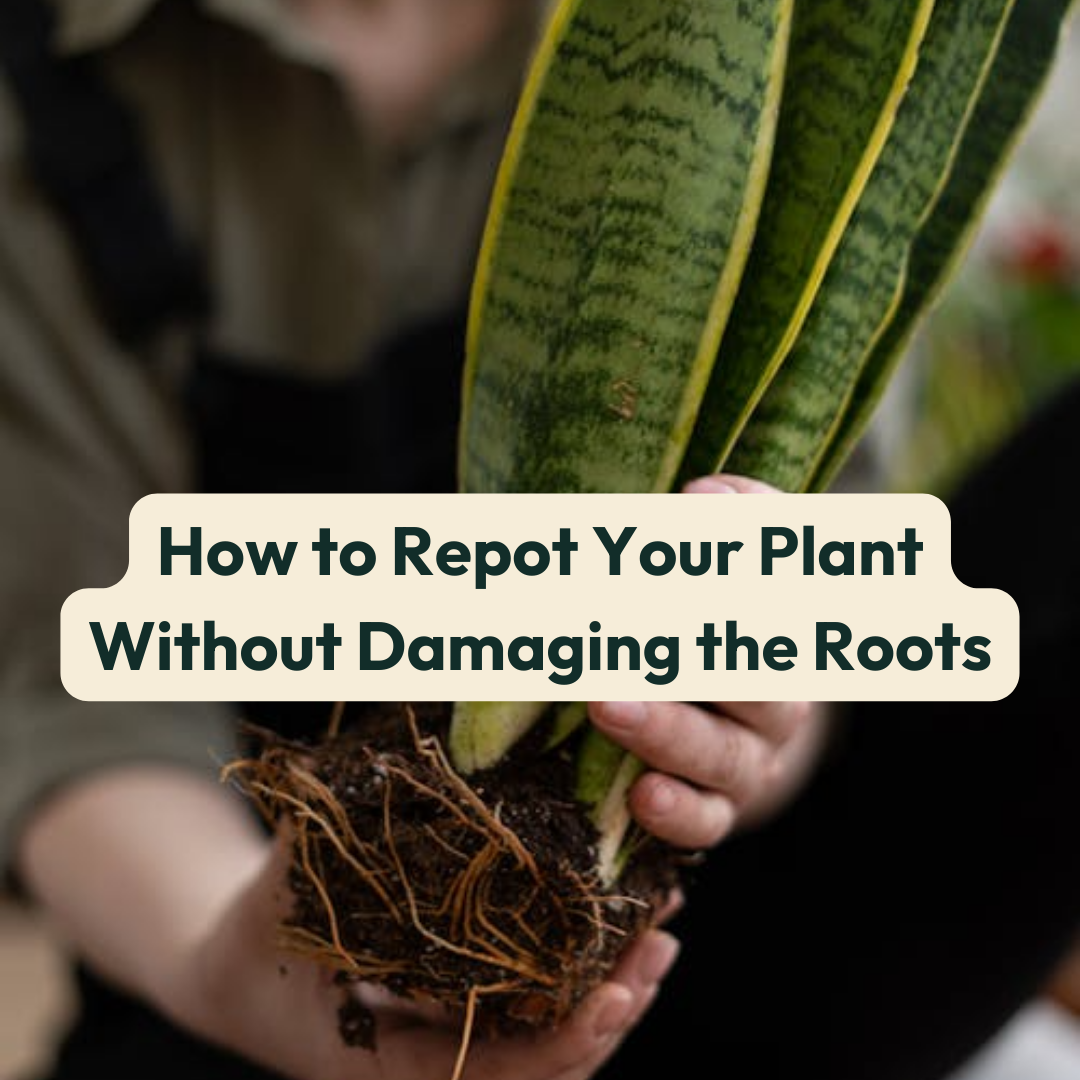
Once your cactus is free, it’s time for a root audit. Healthy roots are firm, white or tan, and spread outward like the branches of a weeping willow. If you encounter mushy, black, or foul-smelling roots, congratulations—you’ve just diagnosed root rot. Snip these offenders with sterilized scissors, cutting back to where the rot stops. Think of it as pruning a bad habit: painful in the moment, but necessary for long-term health.

For cacti with long, tuberous roots (like Echinocactus), resist the urge to trim unless absolutely necessary. These roots are the plant’s lifeline, storing water and nutrients like a camel’s hump. If you must shorten them, do so sparingly—think of it as trimming split ends, not giving a buzz cut.
Potting Perfection: Crafting a Home That’s Fit for a Desert Royalty
With your cactus’s roots prepped and your soil mix ready, it’s time to build its new abode. Start with a layer of fresh soil at the bottom of the pot—about an inch or two should do. This acts as a cushion, preventing water from pooling at the roots. Place your cactus in the center, ensuring the base sits at the same level as it did in its previous pot. If it’s too low, the stem may rot; too high, and it’ll wobble like a tower of Jenga blocks.
Backfill the pot with soil, pressing gently around the roots to eliminate air pockets. But here’s a pro tip: don’t pack the soil like you’re stuffing a Thanksgiving turkey. Cacti need breathing room, so leave the mix loose and fluffy. For top-heavy cacti, like Carnegiea gigantea, consider adding a layer of small rocks or gravel around the base for stability. It’s like giving your cactus a pair of stylish, weighted shoes—functional and fashionable.
The Waiting Game: Post-Repotting Care That’s Less “Neglect” and More “Tender Loving Care”
After repotting, your cactus will need time to acclimate—think of it as a plant version of jet lag. Avoid watering for at least a week to give any damaged roots a chance to heal. When you do water, do so thoroughly but infrequently. A cactus’s motto? “Less is more,” like a minimalist’s mantra. Place your newly potted friend in bright, indirect light for the first few weeks, gradually reintroducing it to full sun to prevent sunburn (yes, cacti can get sunburned, and it’s as sad as it sounds).
Watch for signs of stress: wrinkled skin, discoloration, or a sudden urge to flee the pot. If your cactus looks like it’s auditioning for a role in a horror movie, it might be struggling. Adjust your care accordingly—more water, less light, or a dash of fertilizer (but not too much; cacti aren’t fans of overfeeding).
Troubleshooting: When Your Cactus Throws a Spine-Filled Tantrum
Even the best-laid plans can go awry. If your cactus starts to lean like the Tower of Pisa, it’s likely top-heavy or root-bound. Stake it gently with a chopstick or skewer until it steadies itself. If the soil erodes too quickly, top-dress with a layer of pebbles to keep it in place. And if your cactus develops unsightly brown spots? It could be a fungal infection, often caused by overwatering. Treat it with a fungicide, and adjust your watering habits before the issue spreads like gossip at a family reunion.
Spines falling off? Don’t panic—it’s not a sign of doom. Some cacti, like Mammillaria, naturally shed spines as they grow. Others might drop them due to stress or rough handling. Just keep an eye on your plant’s overall health, and you’ll be fine.
Final Thoughts: The Art of Patience and a Little Bit of Bravery
Repotting a cactus is equal parts science and art. It demands patience, precision, and a willingness to embrace the occasional spine-related ouch. But the reward? A thriving, vibrant cactus that’s ready to take on the world—or at least your windowsill. So next time your spiky companion starts to look cramped, don’t hesitate. Roll up your sleeves, grab your gloves, and give it the home it deserves. After all, even the prickliest of plants deserve a little TLC.
FAQ
Why is repotting important for cacti?
Repotting refreshes soil nutrients, improves drainage, and provides room for root growth, which helps maintain cactus health.
How do I identify root rot in my cactus?
Look for mushy, black, or foul-smelling roots during repotting and prune affected areas to prevent spread.
Can all cacti be repotted at the same time?
Different genera have varying tolerances to disturbance; it's best to know the specific needs of your cactus genus.

Leave a Reply