
Short Answer
The allure of the Opuntia genus—commonly known as prickly pear and cholla cacti—transcends their unmistakable silhouettes. It’s a botanical fascination rooted deeply in their rugged resilience and the unexpected vibrancy they impart to arid landscapes. While many casual admirers pause to note their iconic flat pads and formidable spines, seasoned enthusiasts appreciate the intricate dance of survival strategies and aesthetic play these succulents perform. Understanding the care essentials of Opuntia cacti unlocks not only their beauty but also a window into nature’s ingenious adaptation to harsh environments.
Understanding the Unique Morphology of Opuntia
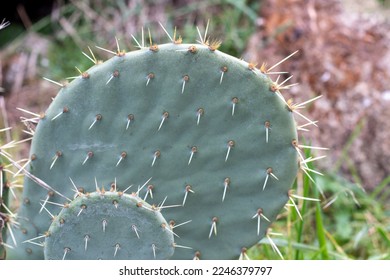
The prickly pear and cholla cacti are instantly recognizable by their segmented, flattened cladodes, which function as modified stems managing photosynthesis and water storage. These succulent pads are more than just a structural marvel; they harbor a complex ecosystem of spines, glochids (tiny barbed hairs), and are often peppered with striking flowers and fruit. Chollas present cylindrical segments with a distinctive jointed appearance, while prickly pears display broader, paddle-shaped pads. This morphological divergence arises from evolutionary pressures and habitat specificity, influencing not only aesthetic appeal but also cultural and practical uses.
The mesmerizing geometry formed by these pads and spines sparks a visual fascination that belies the plant’s utilitarian defense mechanisms. This is a prime example of functional beauty — where survival tactics evolve into intricate artistry.
Soil and Planting Conditions: The Foundation of Thriving Opuntia
Though Opuntia cacti are hardy, their enduring vigor depends vastly on the substrate beneath them. Drainage is paramount; heavy, water-retentive soils provoke root rot and fungal issues. A gritty, sandy soil blend enriched with mineral content closely mimics their native desert terrain. Incorporating perlite, pumice, or coarse sand ensures oxygenation around the roots while discouraging undue moisture accumulation.
Whether planted in open beds or containers, a slight elevation or mound can facilitate runoff and prevent puddling at the base. For optimal growth, soil pH should hover around neutral to mildly alkaline, typically between 6.5 and 8.0. This range supports nutrient availability tailored to cacti metabolism.
Sunlight and Temperature: Emulating Desert Radiance
Opuntia cacti are solstitial connoisseurs, thriving under full sun exposure. Their chlorophyll-packed pads absorb abundant sunlight, translating into robust photosynthetic activity and vibrant pigmentation. An ideal habitat offers at least six hours of direct sunlight daily, imbuing the plant with the energy necessary for flowering and fruit production.
Temperature tolerance is impressive; Opuntia can endure sweltering daytime heat and cooler nocturnal drops, adapting to temperatures from around 50°F (10°C) up to 100°F (38°C) or more. In regions with freezing winters, selection of cold-hardy varieties like Opuntia humifusa becomes essential, as they can survive brief frosts that might otherwise devastate more tropical relatives.
Watering Strategies: Mimicking Arid Rhythms
Watering Opuntia cacti epitomizes the art of balance and restraint. Their native deserts experience pulsating cycles of drought interrupted occasionally by rains. Emulating these rhythms at home encourages deep root growth and stress tolerance.
During the active growing season (spring through early autumn), watering moderately when the soil feels thoroughly dry is prudent. Saturation must be avoided, so be sure to let the soil desiccate between watering sessions. In colder months, the cacti enter dormancy, requiring minimal moisture—often no water for several weeks or months. Overwatering is the top culprit in Opuntia care failures, inviting rot and weakening the plant’s defenses.
Feeding and Fertilization: Nurturing without Excess
Feeding Opuntia cacti is more about encouragement than indulgence. A well-balanced, low-nitrogen fertilizer applied sparingly once every two to three months during the growing season promotes verdant pads and prolific blooms. Excess fertilizer can cause unnatural, weak growth and diminish the plant’s inherent resilience.
Organic options such as compost teas or diluted fish emulsion can be beneficial, provided they are used judiciously. The goal is to support slow, steady development rather than rapid, fragile expansion.
Pest and Disease Management: Guardianship of the Desert Jewels
Though robust, Opuntia plants can succumb to pests like scale insects, mealybugs, and cochineal insects, which sap vitality and mar the surface. Vigilant inspection and early intervention are crucial. Manual removal of pests with gentle brushing or pruning infested segments is often effective. For stubborn infestations, horticultural oils and insecticidal soaps provide eco-friendly solutions.
Fungal diseases, particularly root rot caused by overwatering or poor drainage, remain a perennial threat. Prevention through cultural practices is paramount—proper soil composition, controlled watering, and airflow around the plant minimize these risks. In extreme cases, fungicidal treatments may be warranted.
Propagation: Multiplying Nature’s Sculptures
Propagating Opuntia cacti is a gratifying endeavor that reveals how effortlessly these plants spread in the wild. Cuttings taken from healthy pads can be dried briefly to form a callus, then planted in well-draining soil. This method ensures rapid rooting and growth, granting new life from a single segment.
Seed propagation is slower but opens doors to genetic diversity and the thrill of nurturing tiny seedlings through their formative phases. Natural seed germination demands patience and specific conditions including warmth and intermittent moisture, reflecting the desert’s capricious climate.
Flowering and Fruiting: The Rewarding Ephemeral Events
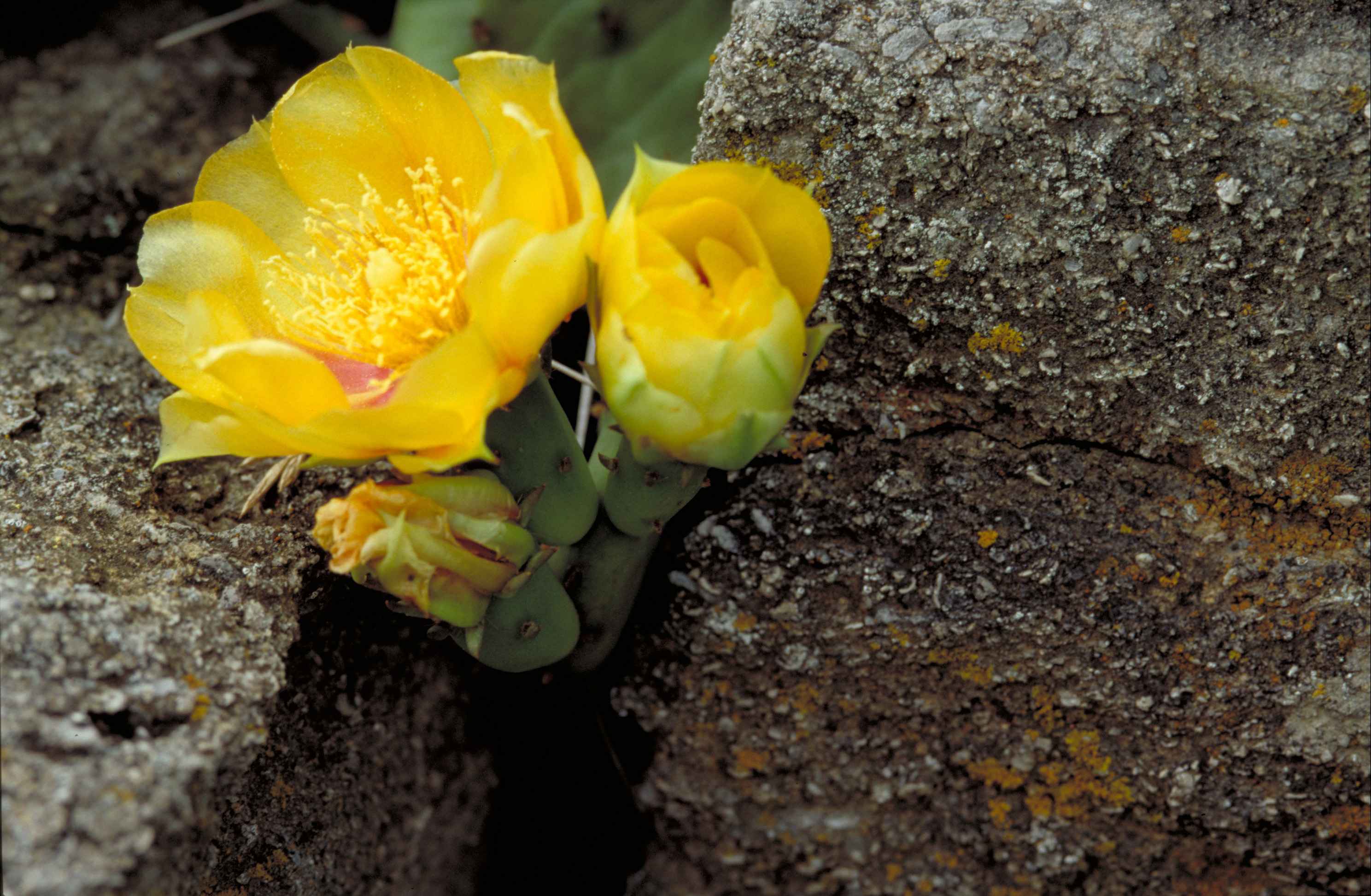
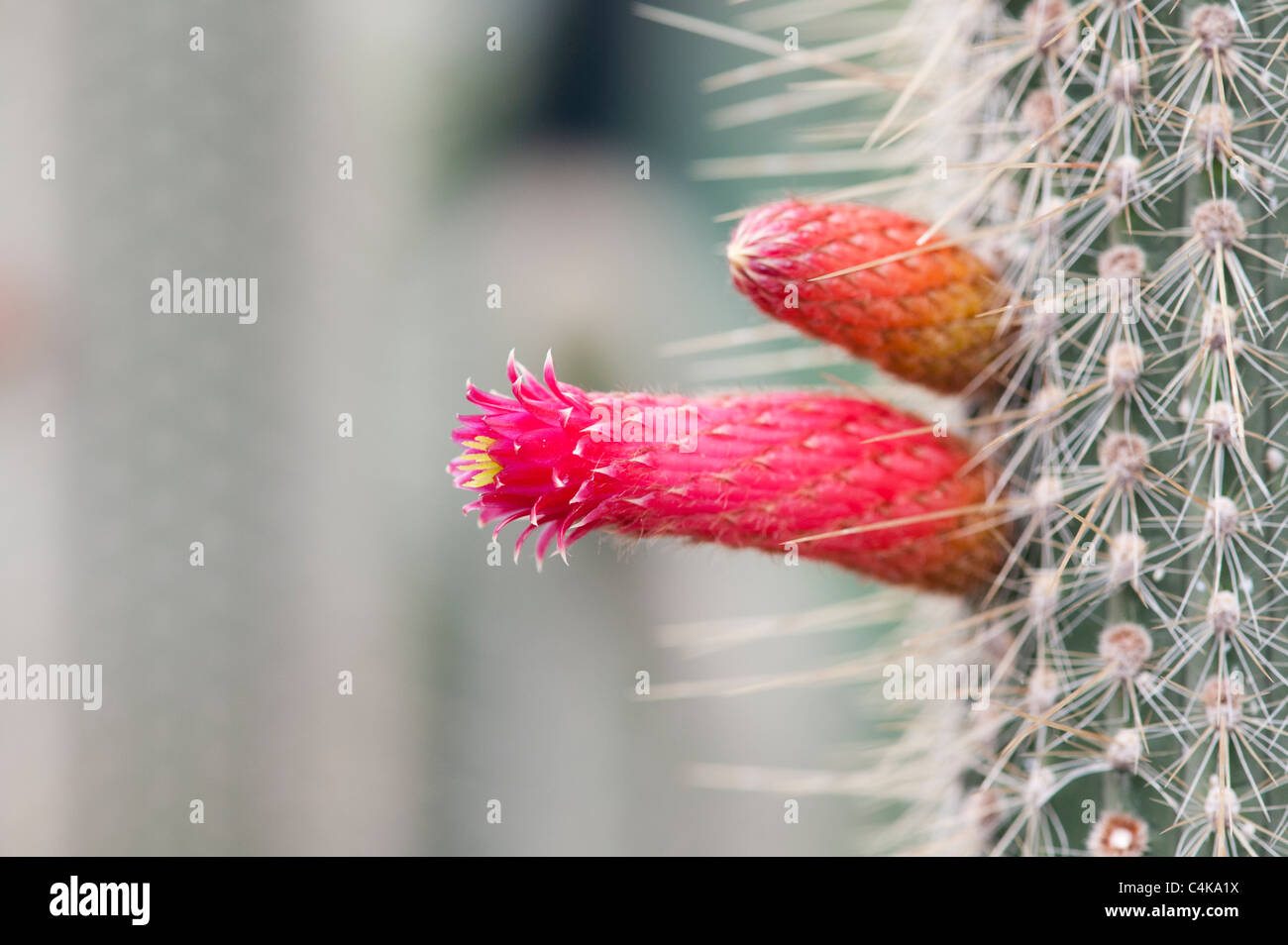
Among the greatest fascinations with Opuntia cacti is their spectacular blooming. Opulent flowers in yellows, reds, and pinks burst forth usually in spring or early summer, lasting mere days but leaving lasting impressions. These blooms attract pollinators ranging from bees to hummingbirds, spotlighting the vital ecological role of these desert natives.
Flowering leads to the formation of prickly pear fruits—edible jewels encased with spiny glochids. Cultivators often prize these fruits for their unique flavor and nutritional value. Harvesting requires care to avoid injury from hidden spines, but the payoff is a luscious, subtly sweet treat that connects one to the ancient relationship between humans and cacti.
Conclusion: Embracing the Enigmatic Charm of Opuntia
Opuntia cacti captivate because they embody contradiction: harsh protectors with softness beneath, desert survivors flourishing against odds, and floral artisans transiently cloaked in brilliance. Their care demands respect, patience, and a nuanced understanding of their desert instincts. Yet, in return, they reward gardeners with dramatic forms, seasonal spectacles, and a silent reminder of the resilience threaded through nature’s most austere landscapes.
FAQ
How often should I water Opuntia cacti?
Water Opuntia cacti moderately during the growing season when the soil is thoroughly dry, and minimize watering during their dormant period.
What type of soil is best for Opuntia?
A well-draining soil mix that includes sand, perlite, or pumice is ideal to prevent root rot.
What pests affect Opuntia cacti?
Common pests include scale insects, mealybugs, and cochineal insects, which can be managed through manual removal and horticultural oils.

Leave a Reply