
Short Answer
There’s something almost mystical about a cactus—its stoic resilience, its silent endurance, the way it thrives where others wither. Yet, for all its rugged individualism, the cactus is a paradox: a plant that demands precision in its care, as if it whispers secrets to those who listen closely. Beginners often approach cactus cultivation with the same enthusiasm they’d give a houseplant, only to watch their spiky charges wilt or rot within months. The truth? Cacti aren’t just survivors; they’re connoisseurs of their environment, and their care isn’t a suggestion—it’s a contract. Here are ten mistakes even the most well-meaning green thumbs make, and why avoiding them might just unlock the cactus’s deeper, almost philosophical allure.
The Overzealous Watering Epidemic: When Kindness Drowns the Desert King
Picture this: a beginner, armed with a watering can and a heart full of love, showers their cactus like a tropical fern. The soil stays damp for days. Weeks. The cactus, once plump and proud, begins to yellow, then softens, then collapses into a mushy surrender. The mistake? Confusing hydration with affection. Cacti aren’t just drought-tolerant—they’re drought-*loving*. Their roots, adapted to desert sands, rot when saturated, turning the plant into a sad, soggy mess. The deeper lesson? Respect the cactus’s heritage. It didn’t evolve to sip from puddles; it evolved to hoard moisture like a miser in a drought. Water only when the soil is bone-dry, and even then, do so sparingly. Your cactus isn’t being dramatic—it’s being precise.

Soil Sabotage: The Perils of Peat and the Promise of Grit
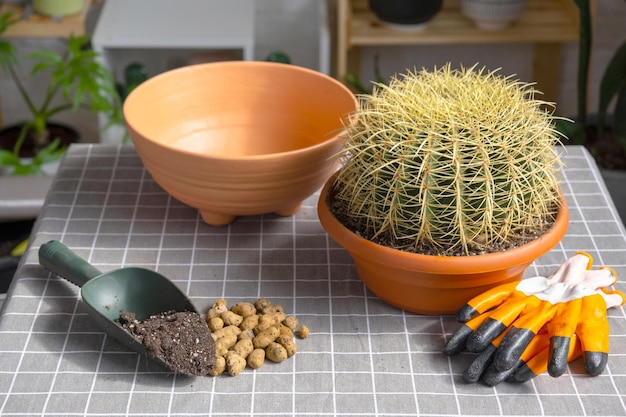
Walk into any garden center, and you’ll find bags of peat-based potting mix labeled “universal” or “all-purpose.” It’s the gardening equivalent of a one-size-fits-all shirt—except cacti aren’t built for it. Peat retains moisture like a sponge, suffocating roots and inviting rot. The ideal cactus soil? A gritty, airy blend that mimics the harsh, mineral-rich soils of its native habitats. Think coarse sand, perlite, pumice, or even crushed granite. The texture should feel like walking on a dry riverbed—no clumping, no clinging. This isn’t just about drainage; it’s about recreating the cactus’s ancestral home, where every grain of soil is a fortress against excess. Skip the shortcuts. Your cactus deserves better than a soggy, suffocating blanket.
Light: The Double-Edged Sword of Sunburn and Etiolation
Cacti crave sunlight like a desert traveler craves water—but too much, and they’ll crisp into a leathery husk; too little, and they’ll stretch into etiolated, pale specters of their former selves. The mistake? Assuming all light is equal. A windowsill in a dim apartment isn’t the same as a sun-drenched patio. South-facing windows are cacti’s best friends, but even then, gradual acclimation is key. Start with a few hours of morning sun, then slowly increase exposure. Indoors, supplement with grow lights if natural light is scarce. The deeper truth? Cacti aren’t just sun-worshippers; they’re sun-*negotiators*. They balance their need for light with their need for survival, and when that balance is off, they protest in the most dramatic ways possible. Listen to their protests—they’re not just asking for light; they’re asking for the right kind.
Temperature Tantrums: The Cold Shoulder and the Heat Wave
Cacti aren’t fans of surprises. A sudden cold snap can turn their tissues to mush, while a heatwave without proper ventilation can bake them into brittle husks. The mistake? Assuming they’re as adaptable as a houseplant. Most cacti thrive in temperatures between 70°F and 100°F (21°C–38°C) during the day, with a cooldown to 50°F–60°F (10°C–15°C) at night. Below 50°F (10°C), many species enter dormancy—and if they’re wet, they’ll rot. Above 100°F (38°C), they’ll scorch without adequate airflow. The deeper insight? Cacti are creatures of rhythm. They don’t just tolerate temperature shifts; they *depend* on them to cue their growth cycles. Mimic their natural environment, and they’ll reward you with vigor. Ignore the rhythm, and they’ll wither in protest.
Pot Prison: The Wrong Vessel for a Rootless Wanderer
A cactus’s pot isn’t just a container—it’s a statement. Too small, and the roots will strangle themselves in a desperate bid for space. Too large, and the soil will stay wet for weeks, drowning the plant in its own excess. The mistake? Treating the pot like an afterthought. Cacti need *breathing room*, but not too much. A pot should be just large enough to accommodate the roots, with an inch or two of extra space for growth. Drainage holes are non-negotiable—no exceptions. Terracotta pots are ideal, as they wick away moisture and keep the soil dry. Plastic? It traps humidity. The deeper lesson? The pot is a cactus’s first line of defense. Choose wisely, and it’ll shield the plant from its greatest enemies: rot and suffocation.
Fertilizer Frenzy: The Overfeeding Trap
It’s tempting to shower a cactus with fertilizer, as if nutrients alone can coax it into lush, rapid growth. But cacti aren’t greedy. They’re efficient. Overfeeding leads to weak, stretched growth, or worse, salt buildup in the soil that burns the roots. The mistake? Treating fertilizer like a vitamin supplement rather than a carefully measured supplement. Use a *diluted* cactus-specific fertilizer, and only during the growing season (spring and summer). Skip it entirely in fall and winter, when the plant is dormant. The deeper truth? Cacti don’t need much to thrive—they need the *right* things, in the right amounts. Fertilizer isn’t a shortcut; it’s a precision tool. Use it sparingly, and your cactus will reward you with slow, steady growth that’s as satisfying as it is sustainable.
Repotting Ruckus: The Shock of the Uprooted
Repotting a cactus is like performing surgery—one wrong move, and the plant could bleed out. The mistake? Treating it like a routine transplant. Cacti hate being disturbed. Their roots are delicate, and even a slight nick can invite rot or infection. The key? Only repot when absolutely necessary—when the roots are bursting out of the pot, or the soil is exhausted. Choose a pot just slightly larger than the old one, and use fresh, gritty soil. Handle the plant with care, using tongs or thick gloves to avoid the spines. The deeper insight? Repotting isn’t just about space—it’s about respect. A cactus’s roots are its lifeline. Disturb them carelessly, and the plant will protest in the most dramatic way possible: by wilting, yellowing, or collapsing.
Pests: The Silent Saboteurs
Cacti are tough, but they’re not invincible. Mealybugs, scale insects, and spider mites see them as an all-you-can-eat buffet. The mistake? Assuming a cactus is too tough to attract pests. These critters thrive in the nooks and crannies of spines and crevices, sapping the plant’s strength while you remain blissfully unaware. The solution? Regular inspections. Wipe down the plant with a damp cloth, and use a cotton swab dipped in rubbing alcohol to target stubborn pests. For severe infestations, neem oil or insecticidal soap can help—but always test on a small area first. The deeper lesson? Cacti aren’t just survivors; they’re ecosystems. Ignore their microhabitats, and pests will move in like squatters. Stay vigilant, and your cactus will remain a fortress of spines and resilience.
Pruning Pitfalls: The Art of the Cut
Pruning a cactus isn’t like trimming a hedge—it’s a delicate, almost surgical procedure. The mistake? Hacking away at random, leaving jagged wounds that invite infection. The key? Use a clean, sharp knife or pruning shears, and make cuts at a 45-degree angle to prevent water pooling. For large cuts, let the wound callous over for a few days before replanting. The deeper truth? Pruning isn’t just about shaping—it’s about preserving the plant’s integrity. A cactus’s spines and structure are its armor. Damage it carelessly, and you compromise its defenses. Prune with intention, and you’ll encourage healthy growth while maintaining its natural beauty.
Ignoring the Dormancy Dance: The Seasonal Sabotage
Cacti don’t grow year-round. They follow a rhythm, slowing down in fall and winter, then bursting into life in spring. The mistake? Treating them like evergreen houseplants, demanding constant care. During dormancy, reduce watering, stop fertilizing, and provide cooler temperatures. The deeper insight? Dormancy isn’t laziness—it’s survival. Cacti have evolved to conserve energy when conditions are harsh, just as they conserve water in drought. Respect this cycle, and your cactus will reward you with vigorous growth when the time is right. Ignore it, and you’ll force the plant into a struggle it wasn’t designed to endure.
FAQ
What are the common mistakes in cactus care?
Common mistakes include overwatering, using improper soil, incorrect lighting, and neglecting pest management.
How often should I water my cactus?
Water your cactus only when the soil is completely dry, usually every few weeks, depending on the environment.

Leave a Reply