
Short Answer
Imagine waking up to a garden where your cacti stand taller, their spines sharper, their colors more vibrant—all because you chose the perfect moment to give them a fresh start. Repotting isn’t just a chore; it’s a transformative ritual, a chance to reset their growth and ensure they thrive for years to come. But when, exactly, is the best time to repot cacti? The answer isn’t as simple as flipping a calendar page. It’s a delicate dance between seasons, soil, and the silent signals your plants send. Let’s uncover the secrets to timing this pivotal act of care.
The Golden Window: Why Spring Steals the Show
Spring isn’t just a season of blooming flowers—it’s the cactus’s wake-up call. As temperatures rise and daylight stretches, your spiky companions emerge from their winter dormancy, primed for growth. This is the golden window: a fleeting opportunity where repotting aligns with their natural rhythm. The soil warms gently, roots stretch eagerly, and the risk of shock plummets. But here’s the twist: not all springs are created equal. A late frost can undo weeks of careful preparation, turning your repotting dreams into a wilted reality. Watch the soil’s temperature—aim for a steady 60°F (15°C) before you even think about touching the pot.
Summer’s Paradox: Heat, Humidity, and the Art of Patience
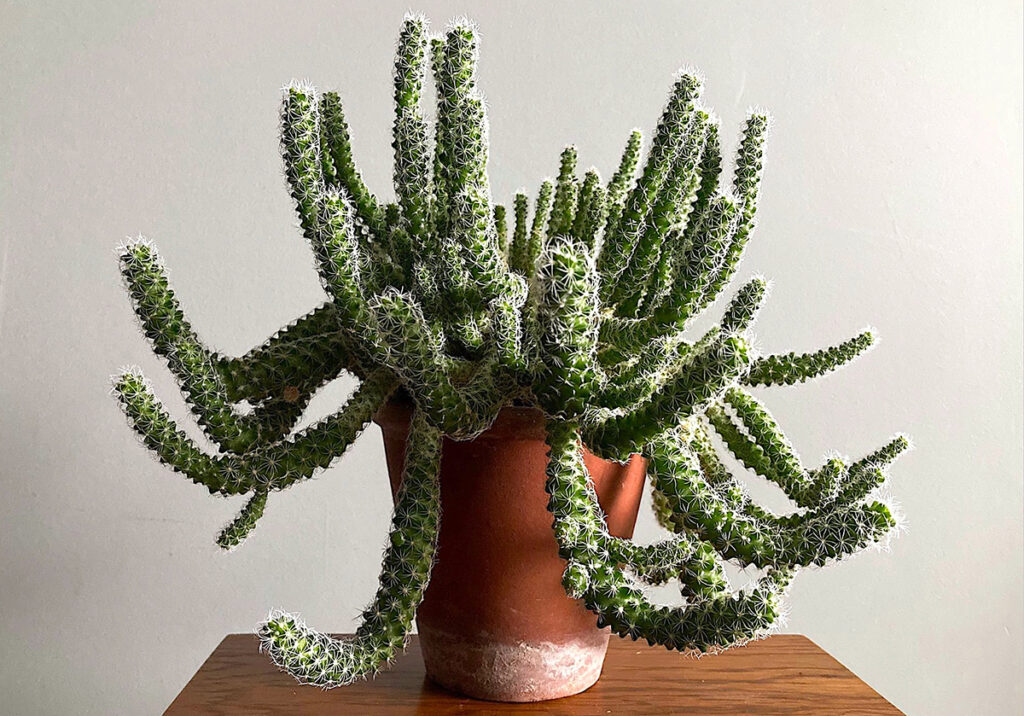
Summer tempts us with its long days and balmy breezes, but it’s a cactus’s worst enemy when it comes to repotting. The paradox? These desert dwellers love heat—until it’s too much. High temperatures accelerate evaporation, leaving freshly disturbed roots parched before they can anchor into new soil. Humidity, that sneaky summer accomplice, can also spell disaster, inviting rot to feast on your plant’s vulnerable underbelly. Yet, summer isn’t entirely off-limits. If you’re in a temperate climate where nights stay cool, or if your cactus is a slow-growing species like a Mammillaria, you might gamble on a late evening repotting session. Just don’t bet the farm on it.

Autumn’s Sweet Spot: The Overlooked Champion
Autumn is the unsung hero of repotting seasons. As the air cools and growth slows, your cactus enters a state of quiet readiness. The soil retains moisture longer, reducing the risk of dehydration, while the lower temperatures cushion the shock of transplantation. This is the time to act if spring slipped through your fingers. But beware the early frost—once the mercury dips below 50°F (10°C), your cactus’s metabolism grinds to a halt, and repotting becomes a gamble with diminishing returns. The key? Repot in early autumn, giving your plant at least six weeks before the first freeze to establish its roots. It’s a race against time, but one worth running.
Winter’s Silent Warning: When to Hold Your Horses
Winter repotting is a tale of caution, not courage. Most cacti enter a deep dormancy, their growth paused, their resilience at its lowest ebb. Disturbing them now is like waking a bear mid-hibernation—messy, risky, and potentially fatal. Yet, there are exceptions. If your cactus is a Christmas cactus or another tropical species that doesn’t truly hibernate, winter repotting might be viable. But for the vast majority, winter is a season to observe, not to act. Use this time to inspect your plants, plan your spring strategy, and resist the urge to “fix” what isn’t broken. Patience, in this case, is the ultimate act of care.
The Soil’s Role: More Than Just Dirt
Repotting isn’t just about the calendar—it’s about the medium your cactus calls home. A well-draining soil mix is the bedrock of success, whether you’re repotting in spring or autumn. Think of it as a lifeline: too dense, and it smothers roots; too loose, and it fails to anchor your plant. The ideal blend? A cocktail of coarse sand, perlite, and a dash of organic matter like coconut coir. This trifecta ensures moisture drains swiftly while still holding just enough nutrients to fuel early growth. And don’t forget the pot—terracotta is your ally, wicking away excess water and preventing the dreaded root rot. Plastic pots? Save them for the summer months when evaporation is your friend.
Signs Your Cactus Is Begging for a New Home
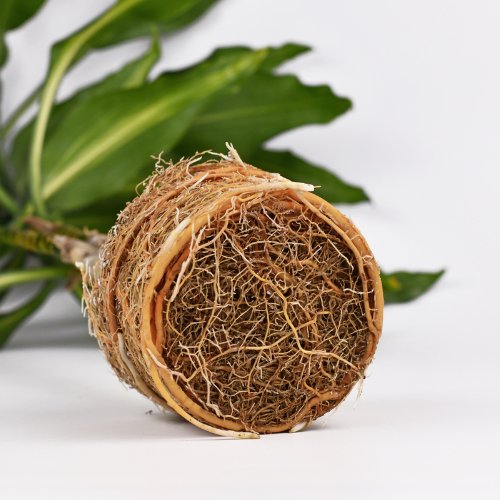
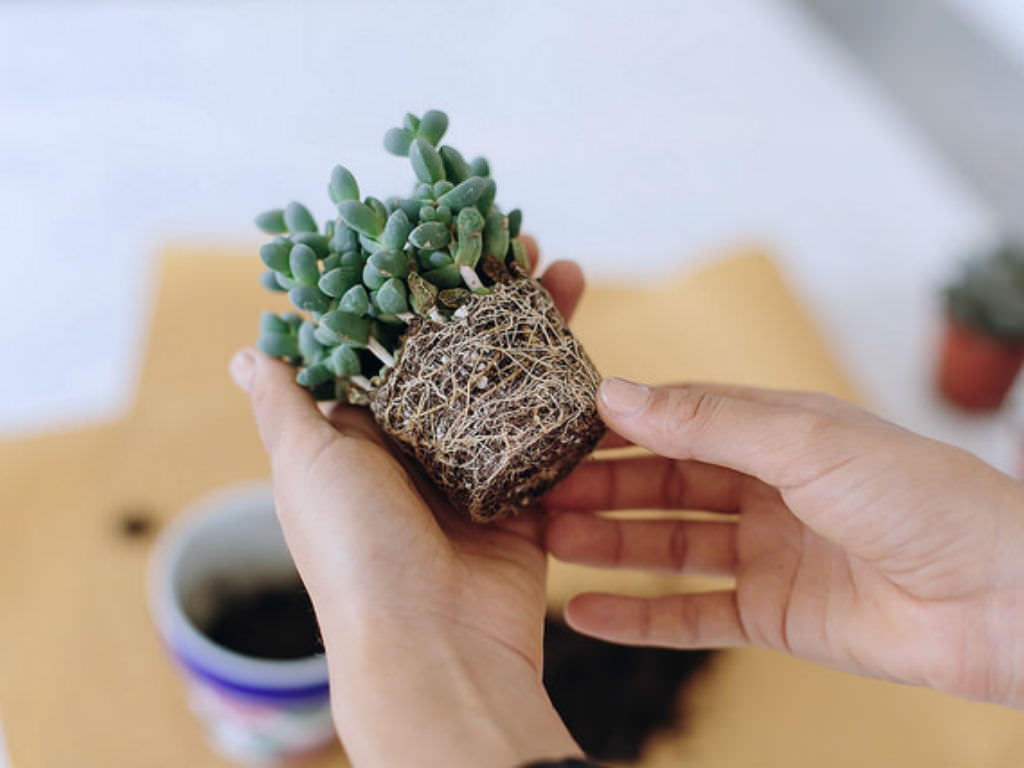
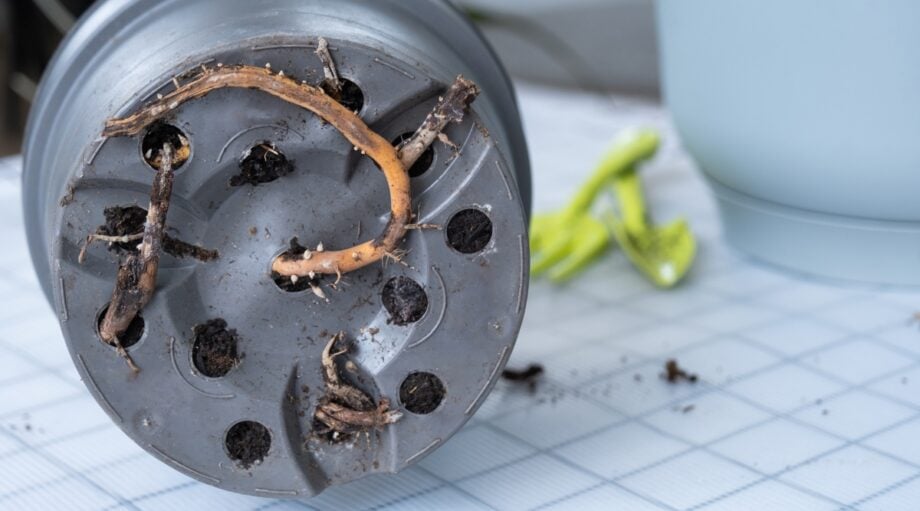
Timing isn’t just about seasons—it’s about reading your plant’s silent pleas. A cactus outgrowing its pot will protest in subtle ways: roots peeking through drainage holes like desperate fingers, soil that dries out in a blink, or a top-heavy plant that topples at the slightest breeze. But the most telling sign? Stunted growth. If your once-vibrant cactus has stalled, it’s not lazy—it’s suffocating. Other red flags include discolored spines, mushy stems, or a soil surface that repels water like oil on a nonstick pan. These are cries for help, and repotting is your answer. Ignore them, and you risk watching your plant wither in silence.
The Aftercare Alchemy: Turning Repotting into Revival
Repotting is only half the battle—the real magic happens in the weeks that follow. For the first seven to ten days, your cactus is in recovery mode. Keep it in bright, indirect light (no scorching sun!) and resist the urge to water. Overwatering in this fragile state is the fastest way to invite rot. After the initial shock, introduce water sparingly—just enough to moisten the soil without drowning it. And here’s a pro tip: avoid fertilizing for at least a month. Your cactus needs time to heal, not a nutrient overload. Think of it as post-operative care: gentle, deliberate, and free of excess.
Myths That Could Doom Your Cactus
Not all repotting advice is created equal. Some gardeners swear by repotting during a full moon, claiming it boosts growth. Others insist on talking to your plants mid-transplant for “positive energy.” While these rituals might soothe the soul, they won’t save your cactus from a poorly timed repotting job. Another common myth? That all cacti need repotting every year. The truth? Most mature cacti thrive with repotting every two to three years—unless they’re screaming for help. Blindly following dogma is how cacti end up as casualties of good intentions.
The Long Game: How Repotting Shapes Your Cactus’s Future
Repotting isn’t a one-time event—it’s a lifelong conversation between you and your plant. Each session is a chance to refine your care, adjust your soil, and deepen your understanding of your cactus’s needs. Over time, you’ll learn its quirks: how it reacts to humidity, which pot sizes suit it best, and when it’s truly ready for a change. This isn’t just gardening; it’s a partnership. And the payoff? A collection of cacti that aren’t just surviving—they’re thriving, their spines sharper, their blooms more spectacular, and their presence a testament to your patience and precision.
FAQ
When is the best time to repot cacti?
The best time to repot cacti is in spring or early autumn when the temperature is mild and the plant is not in dormancy.
Can I repot my cactus in summer?
While summer can be risky due to high temperatures and humidity, it may be possible for slow-growing species if done in the evening.
What soil is best for repotting cacti?
A well-draining soil mix consisting of coarse sand, perlite, and a bit of organic matter is ideal for cacti.
How often should I repot my cactus?
Most mature cacti require repotting every two to three years, unless they show signs of needing it sooner.



Leave a Reply