
Short Answer
There’s an undeniable allure in the rugged silhouette of the Opuntia cactus—commonly known as the prickly pear—that has captivated plant enthusiasts and gardeners alike for centuries. Its intriguing pads, dotted with clusters of spines and sometimes adorned with vibrant blossoms or edible fruits, evoke a wild charm that invites both admiration and curiosity. But beyond its stark beauty lies a fascinating world of propagation techniques that transforms this hardy desert dweller from mere visage to living legacy. Propagating Opuntia, whether through cuttings or seeds, is not merely horticulture; it’s an immersive dialogue with resilience, patience, and growth.
The Enduring Fascination with Opuntia
Before delving into the propagation methods, it’s essential to apprehend why Opuntia continues to enthrall so many. Its adaptability is remarkable; thriving in arid, unforgiving climates, it represents nature’s tenacity. Yet, this resilience manifests in an elegant form—flat, paddle-like pads that often resemble abstract art more than botanical structures. The tactile contrast between the smooth, fleshy pads and the prickly spines offers a sensory intrigue that’s hard to overlook.
Moreover, the prickly pear’s ability to propagate vegetatively or sexually grants gardeners a rich, hands-on experience. This duality mirrors the plant’s survival strategies in the wild and allows propagation enthusiasts to engage with both deliberate human technique and nature’s spontaneous rhythms. The process is a compelling blend of science, art, and wonder, where each pad or seed holds the promise of a new life, a new chapter in the cactus’s lineage.
Propagation from Cuttings: Harnessing Nature’s Cloning Power
One of the most straightforward and rewarding methods for increasing your Opuntia collection is through cuttings. This technique allows for the cloning of a parent plant, perpetuating desirable traits and ensuring a genetically identical offspring. The visual simplicity of this method belies the nuanced precision involved.

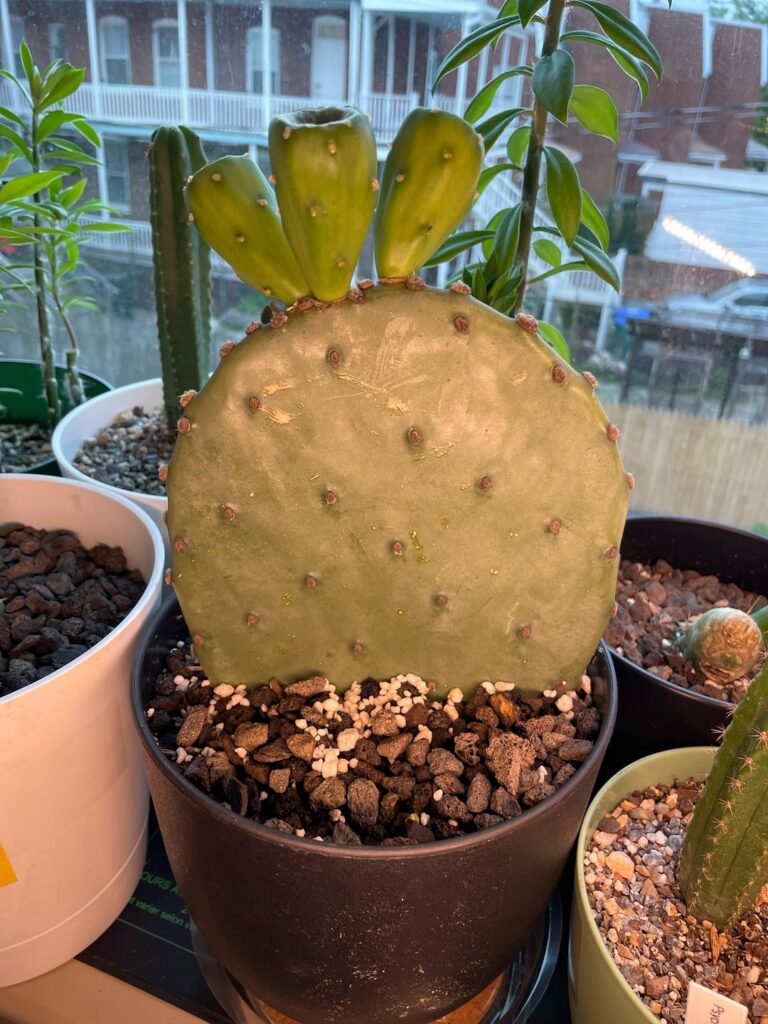
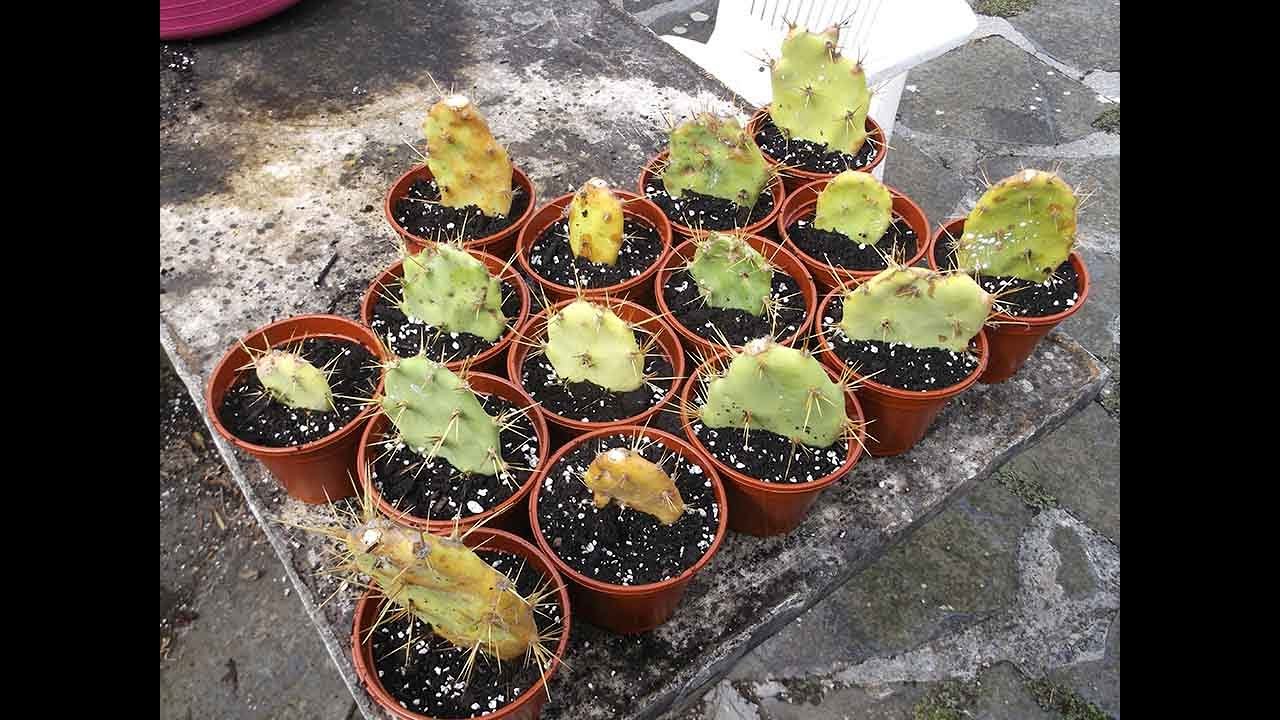
To begin, select a healthy, mature pad from the parent cactus. It’s vital that the pad is fully grown and free from blemishes or disease. Cutting the pad cleanly with a sterilized knife reduces the risk of infection. Once severed, the cutting must be left to callous over—a process that can take anywhere from a few days to a week. This callousing step is pivotal because it prevents rot when the cutting is later planted.
After callousing, the cutting is ready to be nestled into a well-draining soil mix, typically composed of coarse sand, perlite, and a modest amount of organic matter. The emphasis on drainage cannot be overstated; Opuntia roots are adapted to inhospitable soils where water rapidly evaporates. Maintaining dryness during the initial stages encourages root formation without exposing the cutting to fungal threats.
Root development usually begins within a few weeks. During this period, it’s crucial to avoid overwatering. A gentle mist or occasional watering suffices. Patience is key here, as newfound roots gradually anchor the cutting into its new environment, readying it for robust growth. With time, the cutting transforms from a mere cactus pad into a thriving plant, ready to bear its own pads, blooms, and fruit.
Propagation from Seeds: The Slow Dance of Sexual Reproduction
Unlike cuttings, seed propagation marries both genetic variability and the thrilling unpredictability of nature. Growing Opuntia from seeds is an exercise in faith—a reminder that every life begins from humble origins and requires tender stewardship to flourish.
Seeds are typically harvested from ripe prickly pear fruits, which develop after the flowering phase. Removing the seeds involves cleaning and drying them thoroughly, a delicate process that ensures the highest germination rates. Some growers even opt to scarify the seed coat—a gentle abrasion—to simulate natural weathering, thus accelerating germination.
Seed germination demands consistency, warmth, and moisture but not saturation. Planting seeds just beneath the soil surface in a sandy, sterile mix helps mimic their natural desert bed. Covering the container with a transparent lid or plastic wrap creates a mini-greenhouse atmosphere, retaining humidity and warmth imperative for sprouting.
Germination periods can be variable, often spanning several weeks. This patience cultivates a deeper appreciation for the fragile beginnings of plant life. Seedlings emerge tiny but tenacious, their cotyledons unfurling as they begin to synthesize energy through photosynthesis. Unlike cuttings, seedlings bear genetic traits from both parent plants, adding an element of surprise to their ultimate morphology and hardiness.
Environmental Considerations for Successful Propagation
Whether propagating from cuttings or seeds, environment plays an indispensable role in determining success. Opuntia’s natural habitats are marked by intense sunlight, sporadic rainfall, and rocky terrain. Replicating some of these conditions enhances growth prospects dramatically.
Light should be abundant but indirect during the earliest growth phases, preventing scorching. Temperature preferences typically hover between 70°F and 100°F, with cooler nights tolerated as the plants mature. Air circulation is equally critical to prevent fungal infections and discourage stagnant moisture, which can be fatal to young pads or seedlings.
The substrate must never remain soggy. Frequent inspection of soil moisture and adjusting watering schedules accordingly is imperative. Many gardeners swear by using terracotta pots to promote evaporation and prevent root rot. Fertilization is generally minimal; slow-release cactus fertilizers or a diluted liquid feed during the active growing season can provide essential nutrients without overwhelming the plant.
The Deeper Meaning Behind Propagating Opuntia
Beyond the technicalities, growing Opuntia from cuttings or seeds is an intimate interaction with nature’s lifecycle. This process honors both continuity and variability—cuttings embody the preservation of a lineage, while seed propagation celebrates genetic recombination and the endless possibilities it brings. Each propagated plant is a conversation between gardener and environment, a narrative written in patience and respect.
The fascination lies not only in the cactus’s visual allure but also in the symbolism it conveys: endurance, transformation, and renewal. To propagate an Opuntia is to partake in a ritualistic crafting of life from stark beginnings, bridging the gap between wilderness and home, between survival and thriving. This engagement connects us to a primal rhythm, one that reveres resilience amid adversity.
In both the deliberate snip of a cutting and the careful nurturing of tiny seeds, growers find a compelling metaphor for growth—both botanical and personal. The prickly pear cactus, with its rough armor and gentle heart, teaches us that beauty often lies beneath protection, and that nurturing life requires tenderness interwoven with tenacity.
FAQ
What is the best way to propagate Opuntia?
The best ways to propagate Opuntia are through cuttings for cloning or from seeds for genetic variability.
How long does it take for Opuntia cuttings to root?
Root development for Opuntia cuttings usually begins within a few weeks, but patience is crucial.


Leave a Reply