
Short Answer
In the vast tapestry of traditional medicine, few botanical enigmas provoke as much fascination and intrigue as the genus Lophophora. Often cloaked in mysticism and veiled history, these diminutive cacti hold a profound legacy that stretches beyond simple pharmacological applications. Their story beckons a paradigm shift in how we perceive natural remedies—not merely as raw ingredients but as intertwined symbols of culture, spirituality, and ancient wisdom. Delving into the remarkable history and enduring uses of Lophophora invites curiosity and opens pathways to reimagining the confluence of nature and healing.
The Enigmatic Genesis of Lophophora in Indigenous Traditions
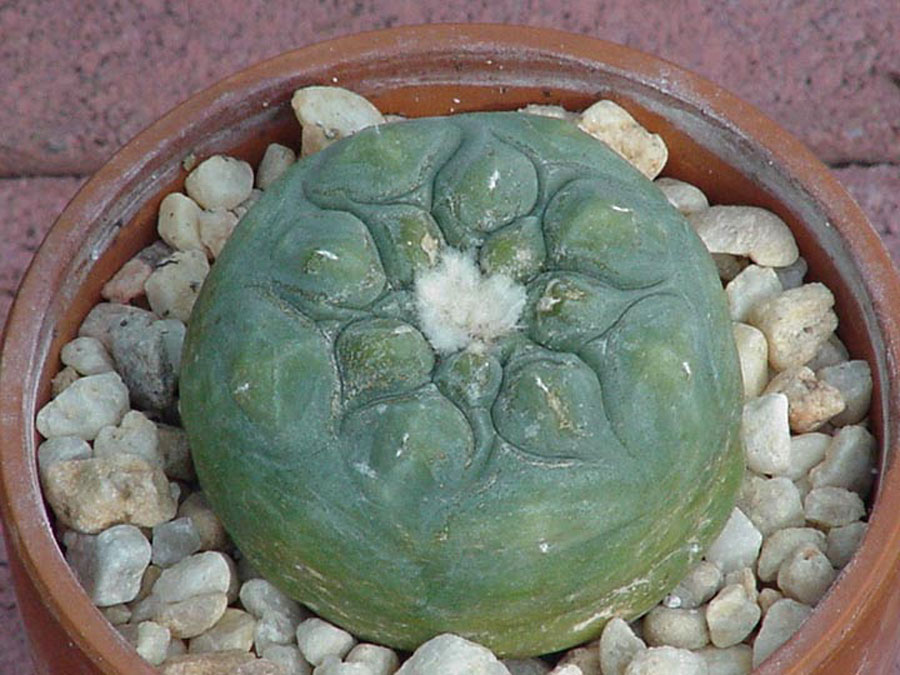
The origins of Lophophora, most notably Lophophora williamsii, often known colloquially as peyote, trace back thousands of years to the arid landscapes of northern Mexico and the southwestern United States. Here, indigenous peoples discovered these rounded, spineless cacti rendered far more than mere sustenance; they were potent conduits of spiritual insight and medicinal power. The multifaceted use of Lophophora spanned from ritualistic ceremonies to curative treatments, grounded in a profound reverence for its psychoactive alkaloids.
Culturally, peyote was revered as a sacred sacrament. It was believed that consuming the cactus unlocked hidden dimensions of consciousness, facilitating communication with ancestors, divine entities, and the inner self. This transcendental attribute quickly elevated Lophophora beyond a pharmacological oddity to a centerpiece of identity, tradition, and existential exploration among various indigenous groups such as the Huichol, Tarahumara, and the Plains tribes.
Chemistry and Pharmacology: The Alkaloid Treasure Trove
At the heart of Lophophora’s enduring mystique lies its unique chemical composition. These cacti harbor a complex array of alkaloids, the most notable being mescaline—a powerful hallucinogen that alters perception, mood, and cognition. The pharmacodynamics of mescaline have fascinated not only traditional healers but also modern scientists aiming to understand consciousness and neurological pathways.
In traditional medicine, the effects of mescaline transcend the mere psychedelic experience. The compound’s profound influence on sensory and psychological faculties makes it a versatile tool for healing psychosomatic conditions, alleviating pain, and fostering mental clarity. Ethnobotanists describe the use of Lophophora as a sophisticated pharmacopeia—where the dosage, context, and ceremonial environment harmonize to tailor healing outcomes that blend the physical with the metaphysical.
Ceremonial and Medicinal Applications Across Cultures
The ritualistic ingestion of Lophophora is often the cornerstone of its traditional medicinal use. Shamanic practitioners and medicine men prepared peyote buttons—dried slices of the cactus—for consumption during extended ceremonies. These gatherings functioned as holistic healing sessions, integrating prayer, music, and communal participation.
Medicinally, the cactus was employed to address a myriad of ailments. Indigenous records and oral traditions recount its efficacy in mitigating fevers, intestinal disorders, nervousness, and even as an analgesic during childbirth. Modern ethnographic investigations support these claims, revealing complex synergy between the plant’s bioactive compounds and psychosomatic healing processes fostered by ritual.
Interestingly, this interlacing of spiritual ritual and pharmacology raises compelling questions about the nature of healing—whether the plant’s true power is purely biochemical or whether its cultural contextualization amplifies its therapeutic effects.
Legal and Ethical Dimensions in Contemporary Use
In the modern era, Lophophora occupies a liminal space between sacred tradition and regulatory constraint. Various jurisdictions categorize peyote as a controlled substance due to its mescaline content, restricting its accessibility. However, exceptions often exist to protect indigenous religious freedoms, highlighting an ongoing dialogue around cultural preservation, religious rights, and public health.
Beyond legalities, ethical considerations loom large. The commercialization and overharvesting of wild Lophophora threaten ecological sustainability and the cultural heritage of indigenous peoples. Scholars and activists emphasize the importance of collaborative approaches to conservation that respect traditional knowledge systems and prioritize biomimetic stewardship.
The Future Potential: Reevaluating Lophophora in Modern Therapeutics
As psychedelic research experiences renaissance worldwide, Lophophora is garnering renewed attention for its therapeutic possibilities. Preliminary clinical studies explore mescaline’s role in treating depression, PTSD, and addiction, suggesting that the ancient practice may inform cutting-edge mental health strategies.
This rekindled interest invites a shift in perspective—not just viewing Lophophora as a relic of past mysticism but as a living bridge connecting ancestral wisdom with contemporary science. The challenge lies in integrating this knowledge with respect, rigor, and cultural sensitivity, transforming curiosity into responsible innovation.
Ultimately, the story of Lophophora is one of convergence: of nature and culture, body and spirit, past and future. Its enigmatic spines and buttons carry whispers from desert sands that continue to inspire those who seek profound healing beyond the ordinary.
FAQ
What is Lophophora used for in traditional medicine?
Lophophora, mainly peyote, is used in traditional medicine for spiritual ceremonies, healing psychosomatic conditions, pain relief, and promoting mental clarity.
What is the main psychoactive compound in Lophophora?
The main psychoactive compound in Lophophora is mescaline, a powerful hallucinogen that affects perception, mood, and cognition.
Is it legal to use Lophophora today?
Lophophora is classified as a controlled substance in many places due to mescaline content, but exceptions exist to protect indigenous religious freedoms.
What are the ethical concerns surrounding Lophophora use?
Ethical concerns include the overharvesting of wild plants threatening ecological sustainability and the need to respect indigenous cultural heritage.
Are there modern therapeutic applications for Lophophora?
Preliminary studies suggest mescaline from Lophophora may help treat depression, PTSD, and addiction, linking traditional use with modern mental health research.



Leave a Reply