
Short Answer
San Pedro Trichocereus Cactus: Care and Fascinating Facts
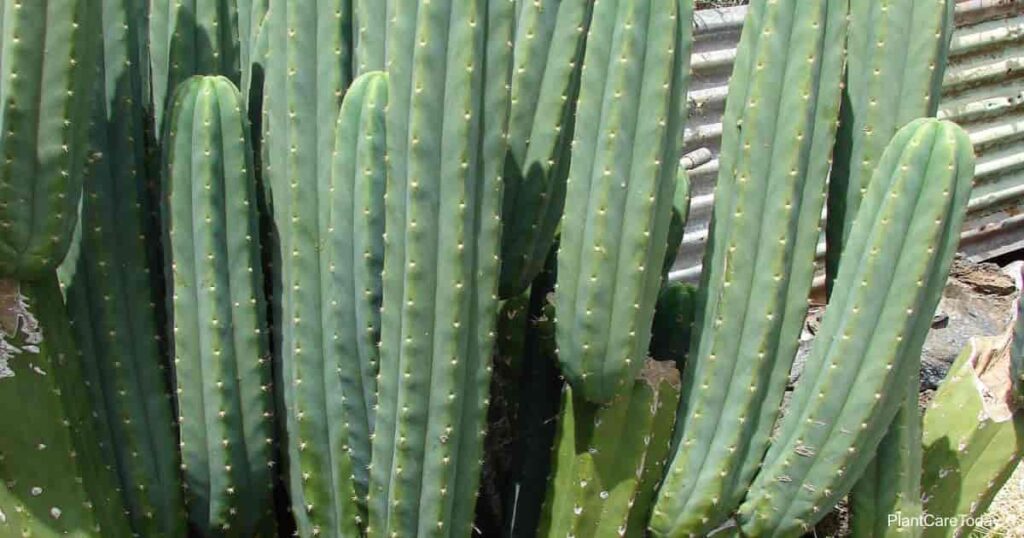
The San Pedro cactus, scientifically known as Trichocereus pachanoi, is a stunning columnar cactus native to the high Andes mountains of Peru, Ecuador, and Bolivia. This species is not only admired for its aesthetic appeal but is also renowned for its psychoactive properties, which have been utilized in indigenous ceremonies for centuries. Understanding how to care for this remarkable plant and exploring its cultural significance can enrich the experience for both novice and seasoned succulent enthusiasts.
Though the San Pedro cactus may be relatively easy to cultivate, it demands attention to specific requirements to thrive and maintain its vibrant coloration and substantial growth. Here is an extensive guide on how to achieve optimal health for your San Pedro cactus.
Environment: The Perfect Oasis for Your Cactus
San Pedro cacti flourish in an environment that simulates their native habitat. They prefer well-drained soil and an abundance of natural light. When selecting a location, prioritize a spot that receives direct sunlight for at least six hours daily. This sunlight is crucial for their growth, giving them a robust green hue, characteristic of healthy plants.
In terms of soil, a cactus mix enriched with sand or perlite ensures excellent drainage. Avoid overly rich or moist soils, as these can lead to root rot. If you are mixing your own soil, consider a ratio of one part potting soil, one part sand, and one part perlite for the best results.
Temperature is another vital component in the care of your San Pedro. This cactus thrives in warm conditions, ideally in temperatures ranging from 65°F to 85°F (18°C to 29°C). However, it can tolerate temperatures as low as 50°F (10°C) without significant damage. During the colder months, if you live in a region prone to frost, it is wise to bring your San Pedro indoors to protect it from freezing temperatures.
Watering: Balancing Moisture and Drought
When it comes to watering the San Pedro cactus, a common misconception is that more water leads to healthier plants. In reality, cacti are adapted to arid environments and prefer infrequent watering. Over-watering is one of the primary causes of cactus demise. During the growing season, which typically spans from late spring to early fall, water your San Pedro deeply but allow the soil to dry completely before the next watering. A general rule of thumb is to water every two to three weeks during this active period.
As the temperature drops and the cactus enters dormancy in the winter months, reduce watering significantly. The cactus can last through the dry period with minimal water. Monitor the plant closely; slight shriveling can occur if it is too dry, whereas a soggy base indicates over-watering. Establishing a rhythm will allow you to learn its needs over time.
Fertilization: Nourishing Your San Pedro
While San Pedro cacti are not particularly demanding in terms of nutrients, occasional fertilization can spur growth and vibrant color. Use a diluted cactus fertilizer or one with low nitrogen content, applied at half strength. Fertilize once in the spring and once again in mid-summer — this timing aligns with their growing season.
It’s essential to refrain from fertilizing during the winter months when the cactus is dormant. Over-fertilization can lead to abnormal growth patterns and weaker plants, so moderation is key.
Pests and Problems: Keeping Your Cactus Healthy
Despite their rugged exterior, San Pedro cacti can attract pests such as mealybugs, scale, and spider mites. Regular inspection is vital; if pests are detected, treat them promptly with insecticidal soap or neem oil. Additionally, watch for signs of disease, particularly root rot caused by over-watering. Symptoms of root rot include soft, discolored spots on the base of the cactus. The best remedy is to reduce watering and, in severe cases, re-pot the plant in fresh, dry soil.
Fascinating Facts: Cultural Significance and Uses
The San Pedro cactus has a rich history intertwined with Andean culture. Indigenous peoples have revered this cactus for its psychoactive properties, utilizing it in traditional healing and religious ceremonies. The active compound, mescaline, is a powerful hallucinogen that has been used for centuries to gain spiritual insight and enhance connection with the divine. It is important to note that the legality of possessing and utilizing this cactus varies by region, so always consult local laws and regulations.
Moreover, the San Pedro cactus has gained traction among those interested in horticulture and the study of botany. Its ease of care makes it a delightful addition to any garden. Additionally, its ability to adapt to diverse environments, from indoor potting to outdoor landscapes, showcases its versatility.
Conclusion: Embrace the Beauty and Intricacies of San Pedro Cactus
Caring for the San Pedro cactus can be a fulfilling endeavor, yielding a striking plant that brings a piece of the Andes to your home. With the right conditions, careful attention to watering, and occasional feeding, your San Pedro cactus can thrive for decades, rewarding you with its beauty and unique character. Whether you admire it for its aesthetic charm, cultural significance, or intriguing properties, the San Pedro cactus is sure to captivate and inspire.
FAQ
How often should I water my San Pedro cactus?
Water every two to three weeks during the growing season, allowing the soil to dry completely between watering. Reduce watering significantly during winter dormancy.
What type of soil is best for San Pedro cactus?
A well-draining cactus soil mix enriched with sand or perlite is ideal. A recommended mix is one part potting soil, one part sand, and one part perlite.
Can San Pedro cactus tolerate cold temperatures?
It tolerates down to about 50°F (10°C) but should be protected from frost by bringing it indoors during cold winters.
What pests commonly affect San Pedro cactus?
Common pests include mealybugs, scale, and spider mites. Regular inspection and treatment with insecticidal soap or neem oil is recommended.
Is the San Pedro cactus legal to grow?
The legality varies by region due to its psychoactive compound mescaline. Always check your local laws before cultivating.

Leave a Reply