
Short Answer
In the sun-scorched landscapes of northeastern Mexico, where the earth cracks under the relentless gaze of the desert sun, a botanical marvel unfurls its spiraled crown of fleshy, overlapping ribs. This is Obregonia denegrii, the “Artichoke Cactus,” a living sculpture of geometric precision and tenacious survival. With its compact, globular form resembling nothing so much as a pinecone or an artichoke heart, this rare cactus has captivated enthusiasts and scientists alike. Yet, beyond its striking appearance lies a story of ecological fragility, conservation urgency, and the delicate balance between human fascination and environmental stewardship. Whether you’re a seasoned succulent collector, a curious naturalist, or simply someone drawn to the quiet drama of desert flora, Obregonia offers a compelling narrative—one of endurance, adaptation, and the hidden battles waged in the cracks of arid stone.
The Enigmatic Allure of Obregonia: A Cactus Like No Other
At first glance, Obregonia denegrii appears almost otherworldly—a botanical anomaly that seems plucked from a surrealist painting. Unlike the towering saguaros or the sprawling prickly pears, this cactus remains small, typically no larger than a grapefruit, its body composed of 100 to 150 tightly packed, spiraling ribs. Each rib is adorned with clusters of short, white spines that give the plant a soft, almost downy texture, belying its desert-dwelling toughness. The apex of the cactus is crowned with a dense rosette of new growth, a verdant burst of vitality in an otherwise stark environment.
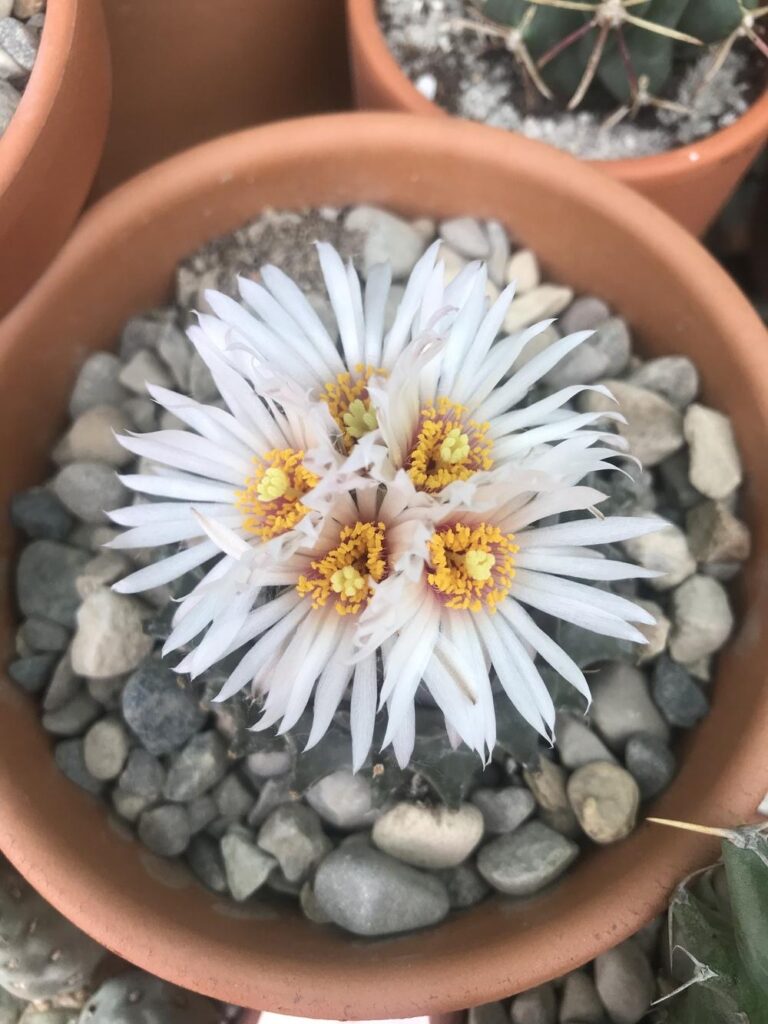
What truly sets Obregonia apart is its flowering habit. In the late winter or early spring, the cactus produces delicate, funnel-shaped blooms of pale pink or cream, their petals unfurling like the pages of a rare manuscript. These flowers, often no more than an inch across, are fleeting yet exquisite, lasting only a few days before wilting into the dry air. The contrast between the cactus’s rugged, armored exterior and its ephemeral, ethereal blossoms creates a poetic duality—one that has earned it the nickname “Artichoke Cactus” among enthusiasts.
The plant’s scientific name honors Mexican president Álvaro Obregón and the botanist who first described it, while “denegrii” pays homage to a collector who played a pivotal role in its discovery. Yet, despite its regal nomenclature, Obregonia remains one of the rarest cacti in cultivation, a fact that only deepens its mystique.
Survival in the Crucible: How Obregonia Thrives Where Others Falter
To understand Obregonia denegrii is to understand the art of survival in one of Earth’s most unforgiving habitats. Native to the Tamaulipas and Nuevo León regions of Mexico, this cactus calls the Chihuahuan Desert home—a place where temperatures swing from scorching days to near-freezing nights, and where rainfall is a capricious visitor, arriving in brief, sporadic bursts. Here, water is not a given; it is a treasure, and Obregonia has evolved ingenious strategies to hoard it.
The cactus’s ribbed structure is not merely decorative; it is a masterclass in water management. The deep grooves between ribs allow the plant to expand and contract with moisture availability, acting as a built-in irrigation system. When rain finally arrives, the ribs swell, storing precious liquid in the fleshy tissue beneath the skin. During drought, the ribs contract, reducing surface area to minimize water loss. This hydraulic elasticity is a testament to the plant’s resilience, enabling it to endure years without precipitation.
Equally remarkable is the cactus’s root system. Rather than spreading wide in search of water, Obregonia develops a deep, taproot-like structure that anchors it firmly in the soil while accessing moisture from deeper layers. This adaptation ensures that even in the driest seasons, the cactus can tap into underground reserves, a survival tactic that has allowed it to persist for millennia.
Yet, survival in such a harsh environment comes at a cost. The cactus grows at a glacial pace, adding just a few millimeters to its girth each year. A specimen that appears mature may, in reality, be decades old—a silent testament to the patience of nature.
The Shadow of Extinction: Why Obregonia Is on the Brink
Despite its evolutionary triumphs, Obregonia denegrii faces an existential crisis. Classified as Critically Endangered by the IUCN Red List, this cactus is teetering on the edge of oblivion, its wild populations dwindling due to a confluence of threats. The primary culprit? Human activity. Habitat destruction, driven by agriculture, urban expansion, and mining, has carved into the cactus’s natural range, reducing its once-vast territory to fragmented pockets of wilderness.
Illegal collection poses another grave danger. The cactus’s rarity and striking appearance make it a prized target for succulent enthusiasts and black-market traders. Poachers, armed with shovels and disregard for conservation laws, uproot mature specimens, leaving behind scars in the soil and decimating populations that may take generations to recover. Even legally cultivated plants are vulnerable; without proper documentation, they can be laundered into the black market, further fueling the cycle of exploitation.
Climate change exacerbates these threats. The Chihuahuan Desert is warming at an alarming rate, and prolonged droughts are becoming the norm. For a plant that relies on precise moisture conditions, these shifts can be catastrophic. Prolonged dry spells weaken the cactus, making it more susceptible to disease and pests, while erratic rainfall patterns disrupt its delicate reproductive cycle.
The situation is dire, but not hopeless. Conservationists are working against the clock to protect remaining wild populations, establishing protected areas and collaborating with local communities to promote sustainable land use. Captive breeding programs, though challenging due to the cactus’s slow growth, offer a glimmer of hope for reintroduction efforts. Yet, the battle to save Obregonia is far from won—and time is running out.
Cultivating Obregonia: A Labor of Love for the Dedicated Grower
For those who wish to grow Obregonia denegrii themselves, the journey is not for the faint of heart. This is a cactus that demands patience, precision, and an almost reverent understanding of its needs. Unlike more forgiving species, Obregonia is intolerant of mistakes, and its slow growth means that errors in care can take years to correct.
The first rule of Obregonia cultivation is less is more. This cactus thrives in mineral-rich, sharply draining soil—a mix of coarse sand, perlite, and a small amount of organic matter is ideal. Overwatering is the most common killer; the cactus’s roots are prone to rot if left in damp soil for too long. A strict watering schedule, with long intervals between drinks, is essential. During the growing season, a thorough soaking every two to three weeks is sufficient, while winter waterings should be nearly nonexistent.
Light is another critical factor. Obregonia craves bright, indirect sunlight, but it cannot tolerate the harsh midday rays of a scorching summer. In cultivation, a south-facing window with sheer curtains or a greenhouse with shade cloth provides the perfect balance. Too little light causes the cactus to etiolate, stretching unnaturally in search of the sun, while too much can scorch its delicate skin.
Temperature fluctuations mimic the cactus’s natural environment. It thrives in a range between 70°F (21°C) during the day and 50°F (10°C) at night, with a winter rest period that allows it to enter a state of dormancy. This cooling period is crucial for triggering flowering in the following season. Attempting to force growth year-round with artificial heat will only weaken the plant over time.
Propagation is a slow and finicky process. Seeds are the most reliable method, though germination can take weeks or even months. Tissue culture offers another avenue, but it requires specialized equipment and expertise. Even then, the resulting plants may take years to reach a size where they resemble their wild counterparts. For the dedicated grower, the reward is not instant gratification but the slow, steady satisfaction of nurturing a living relic of the desert.
The Ethical Collector: How to Enjoy Obregonia Responsibly
The allure of Obregonia denegrii is undeniable, but its rarity demands a shift in how we engage with such plants. Ethical cultivation is not just a preference; it is a necessity for the survival of the species. As enthusiasts, we hold a responsibility to ensure that our passion does not contribute to the cactus’s decline.
The first step is to source plants ethically. Avoid wild-collected specimens at all costs. Instead, seek out reputable nurseries that propagate their own stock or work with certified sustainable growers. Ask for documentation that verifies the plant’s origin—legitimate sellers will have no issue providing this information. Be wary of deals that seem too good to be true; they often are. A Obregonia offered at a bargain price is likely the result of illegal collection.
Consider growing from seed. While it requires patience, this method ensures that your plant is not part of the black-market trade. Many specialty nurseries offer seeds from ethically sourced parent plants, providing a guilt-free way to add this cactus to your collection. Additionally, joining succulent societies or online forums dedicated to Obregonia can connect you with like-minded growers who share tips, cuttings, and seeds responsibly.
Finally, advocate for conservation. Support organizations that work to protect the Chihuahuan Desert and its flora, whether through donations, volunteer work, or spreading awareness. Share your knowledge with others, emphasizing the importance of ethical cultivation and the plight of Obregonia denegrii. By fostering a culture of responsibility, we can ensure that future generations will also have the chance to marvel at this botanical wonder.
A Living Legacy: The Future of Obregonia in a Changing World
The story of Obregonia denegrii is more than a tale of spines and spirals; it is a mirror held up to humanity’s relationship with the natural world. In its struggle to survive, we see the fragility of life in extreme environments, the consequences of unchecked exploitation, and the power of conservation to rewrite narratives of loss. Yet, it is also a story of hope—a reminder that even the rarest of species can endure if given the chance.
As climate change reshapes deserts and human activity encroaches ever further into wild spaces, the fate of Obregonia hangs in the balance. Will it become a footnote in the annals of extinction, or will it thrive once more in protected havens, a symbol of nature’s indomitable spirit? The answer lies not in the hands of scientists or governments alone, but in the choices of every individual who encounters this remarkable cactus.
For those who grow it, study it, or simply admire it from afar, Obregonia denegrii is a call to action. It asks us to look beyond the surface—to see not just a plant, but a story of resilience, a plea for stewardship, and a challenge to do better. In a world where the extraordinary is often reduced to the merely decorative, this artichoke cactus stands as a defiant testament to the beauty and tenacity of life itself.
FAQ
What is Obregonia denegrii?
Obregonia denegrii, commonly known as the 'Artichoke Cactus,' is a rare cactus species native to northeastern Mexico, characterized by its compact, globular form and unique flowering habits.
Why is Obregonia denegrii endangered?
Obregonia denegrii is critically endangered due to habitat destruction, illegal collection, and climate change affecting its natural environment.



Leave a Reply