

Short Answer
Nestled within the fascinating world of cacti lies the extraordinary genus Uebelmannia, a collection of succulent masterpieces admired for their unique morphology and exquisite adaptations. These captivating desert dwellers beckon both seasoned collectors and botanical enthusiasts alike, inviting exploration into their diverse forms and resilient nature. This guide will embark on an enlightening journey through the remarkable species of Uebelmannia, unraveling their distinctive characteristics, cultivation nuances, and ecological significance. Prepare to dive into an enthralling plant realm where artistry and survival intertwine in the most spectacular ways.
Introduction to the Genus Uebelmannia
The genus Uebelmannia resides exclusively in Brazil’s rocky outcrops and highlands, a testament to evolution’s intricate handiwork. Belonging to the family Cactaceae, these cacti defy common stereotypes by sporting smooth, often glossy epidermises adorned with subtle ribs and dramatic spination. Their compact stature belies their robust nature, thriving in nutrient-poor, arid soils where other flora falters. Uebelmannia species are renowned not only for their aesthetic appeal but also for their ecological niche, often found in microhabitats that require extraordinary drought resistance and temperature tolerance.

Distinctive Morphological Features
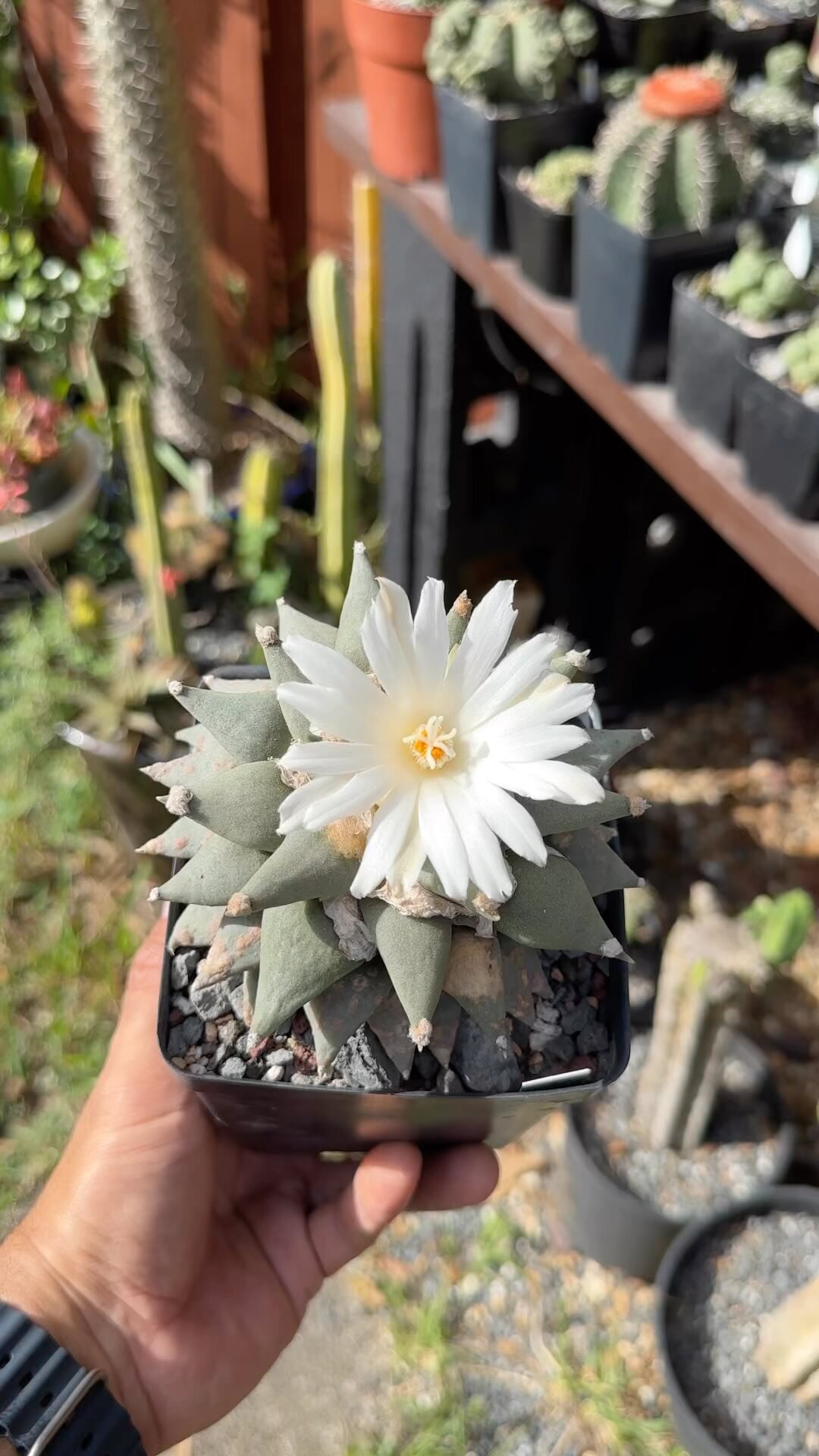
What sets Uebelmannia apart is its exquisite blend of form and function. These cacti often present a cylindrical to globular body, with skin that can range from smooth and waxy to finely granulated surfaces. Their ribs are usually low or subtly undulating, dotted with areoles that produce spines varying from rigid and needle-like to almost hair-thin bristles. A distinguishing trait in many species is the presence of tubercles arranged in organized patterns that can resemble miniature fortress walls. This structural adaptation not only enriches their visual appeal but also serves to reduce water loss by creating micro-shadows.
Exploring Popular Uebelmannia Species
Each species within the genus embodies its own brand of botanical marvel, making Uebelmannia a playground of plant diversity. Here are some of the most remarkable species that collectors and botanists alike cherish:
- Uebelmannia pectinifera: Perhaps the most iconic, this species is admired for its thick, succulent body covered in dense, comb-like ribs. The name “pectinifera” meaning “bearing combs” aptly describes its distinct rib arrangement, which gives a sculptural aesthetic. Flowers bloom in bright yellow hues, adding a splash of brilliance to its rugged exterior.
- Uebelmannia flava: A show-stopper with its captivating lemon-yellow blooms, U. flava boasts a smoother surface and fewer ribs. Its bright coloration attracts pollinators in its native habitat while signaling health and vigor.
- Uebelmannia gummifera: Recognizable by its resinous coating and slightly glaucous skin, this species excels in harsher terrains, secreting a natural gum that helps seal its surface from desiccation.
- Uebelmannia pectinifera var. pseudopectinifera: A fascinating variant with even more intricate ribbing and spine patterns, prized among collectors for its rarified rarity and exquisite form.
Flowering and Reproduction
One of the most enchanting aspects of Uebelmannia species is their flowering behavior. Blooming generally occurs in the warmer months, with flowers emerging at the apex in shades ranging from golden yellow to pale greenish-yellow. These blooms are often funnel-shaped, luminous against the textured backdrop of the cactus body. Pollination is mainly facilitated by native bee species, which are drawn by the flowers’ nectar and conspicuous coloration. Post-pollination, the fruit maturation stages display an elegant simplicity, with small, fleshy fruit capsules that bear tiny seeds critical for propagation.
Ecological Preferences and Natural Habitat
Uebelmannia species inhabit some of the most challenging landscapes on earth. Endemic to southeastern Brazil’s quartzitic rock formations, they flourish in an environment characterized by sharp temperature fluctuations and minimal water availability. Their preference for well-draining, mineral-rich substrates highlights the importance of substrate texture in their survival strategy. Microclimatic niches shield them from excessive sun and retain scarce moisture, while their specialized skin and root systems adapt seamlessly to these extreme conditions. These cacti often grow amidst sparse vegetation, which mitigates competition for resources but exposes them to harsh elements.
Growing and Caring for Uebelmannia
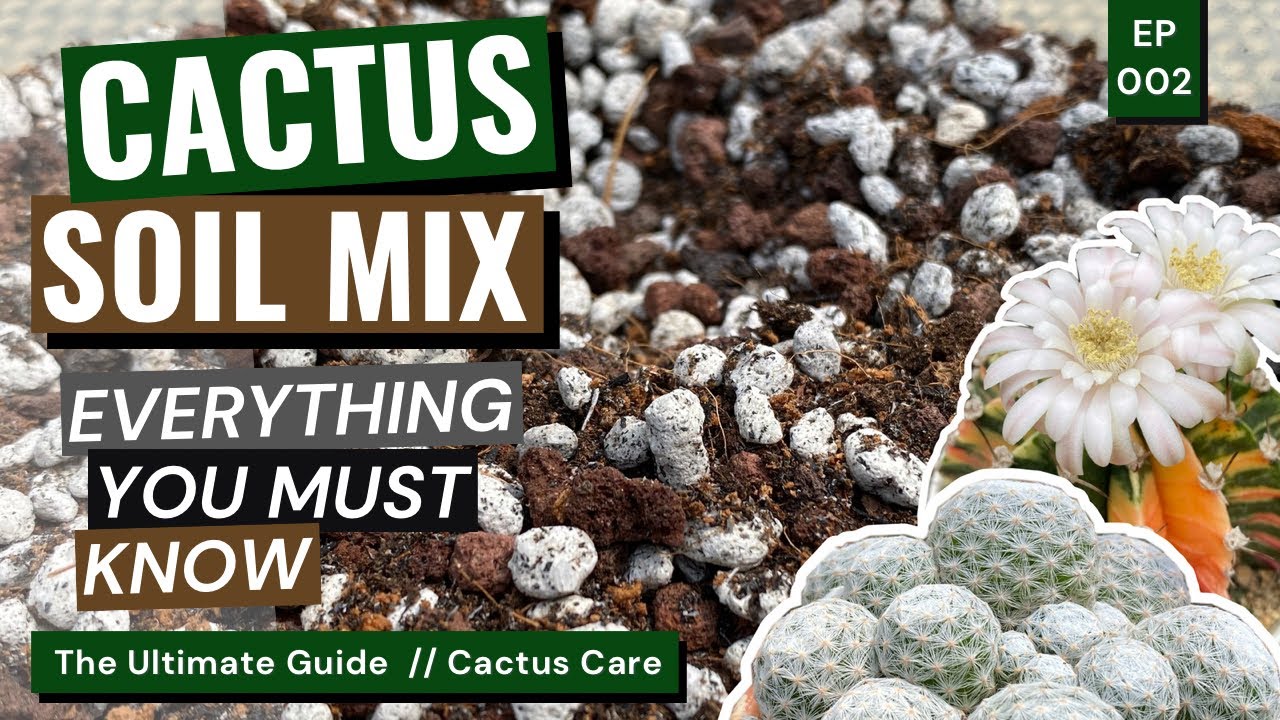
For hobbyists eager to cultivate these gems, reproducing their native conditions is paramount. These species prefer bright, indirect sunlight and must be planted in gritty, well-draining soil blended with materials such as pumice, sand, and tiny gravel to mimic rocky substrates. Watering should be minimalist—deep but infrequent to avoid root rot, with a complete dry spell during dormant winter months. Temperatures should ideally be warm, but the plants can endure brief cold snaps if kept dry. Fertilization is best limited to a diluted cactus-specific formula during active growth. Moreover, patience is a virtue, as these cacti exhibit slow growth, rewarding cultivators with longevity and gradual architectural beauty.
Conservation Status and Challenges
Despite their allure, many Uebelmannia species confront conservation challenges born from habitat destruction and illegal collection. Restricted ranges and specialized habitat requirements render them vulnerable to ecosystem disturbances and climate change impacts. Conservation efforts increasingly emphasize habitat preservation and cultivation in botanical gardens as ex situ conservation strategies. For enthusiasts, sourcing plants from ethical nurseries committed to sustainability is essential to protect wild populations while enjoying these botanical treasures responsibly.
Conclusion: Embracing the Singular Charm of Uebelmannia
The Uebelmannia genus offers an unparalleled glimpse into the elegance and resilience of desert flora. Their sculptural forms, coupled with vivid reproductive displays, provide a rich tapestry of botanical wonder that transcends mere ornamental appeal. Whether you are a collector, botanist, or nature lover, understanding these species enriches the appreciation of plant evolution and adaptation. Embark on your journey with Uebelmannia, and discover the art of survival crafted by millions of years beneath the searing Brazilian sun.
FAQ
What are the main characteristics of Uebelmannia species?
Uebelmannia species are known for their unique morphology, including smooth or glossy skin, low ribs, and various spine types, thriving in arid conditions.
How do you care for Uebelmannia cacti?
They require bright, indirect sunlight, well-draining soil, infrequent watering, and can tolerate brief cold snaps if kept dry.
What is the conservation status of Uebelmannia species?
Many Uebelmannia species face conservation challenges due to habitat destruction and illegal collection; efforts are ongoing to protect their natural habitats.


Leave a Reply