
Short Answer
In the arid heartlands of the Americas, where the sun bleaches the earth and the wind whispers through skeletal mesquite, a quiet revolution unfolds in the form of unassuming green domes. These are no ordinary cacti—these are the guardians of ancient wisdom, the silent witnesses to millennia of human reverence, and the living vessels of sacred promise. Lophophora, with its crown of ribbed flesh and delicate, diaphanous blooms, is more than a plant; it is a cultural keystone, a botanical oracle, and a symbol of humanity’s eternal quest to commune with the divine. But its story is not one of solitude. It is part of a grander tapestry—one woven with threads of ritual, art, medicine, and myth—stretching from the Sonoran Desert to the high plateaus of the Andes. To understand Lophophora is to step into a world where the boundaries between the sacred and the mundane dissolve, where every spine and petal carries the weight of human longing. This is the cultural significance of sacred cacti: a journey not just through geography, but through the very soul of human spirituality.
The Botanical Mystique: Why These Cacti Captivated Human Imagination
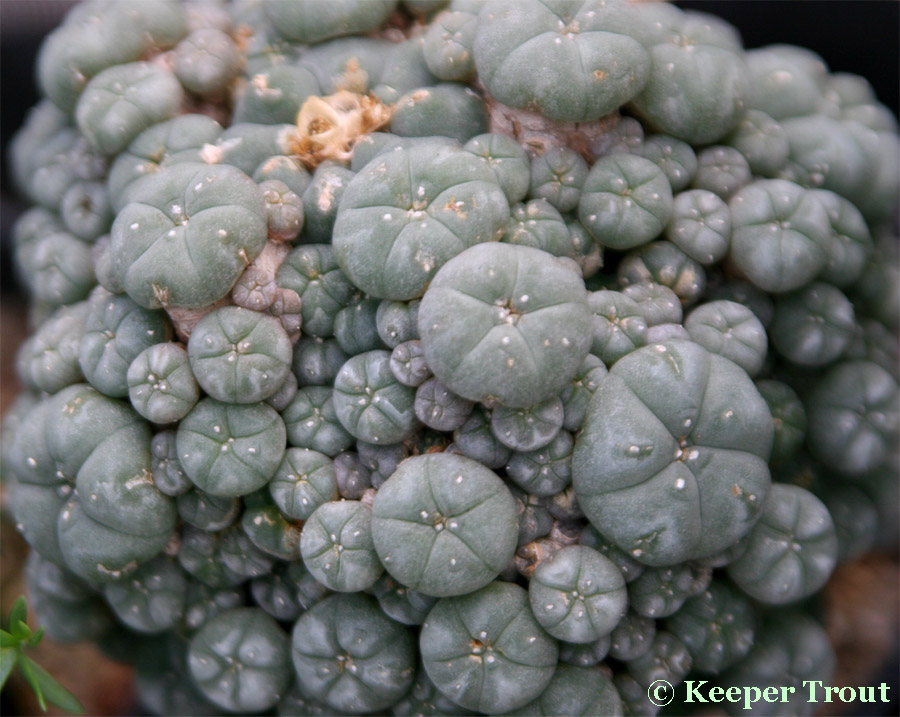
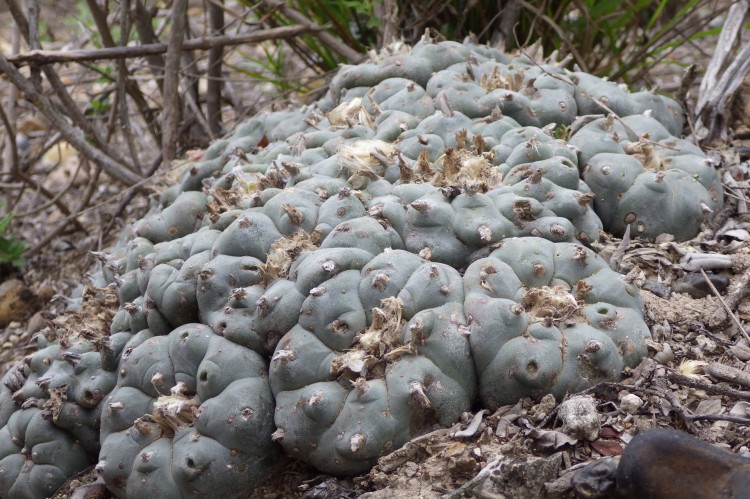
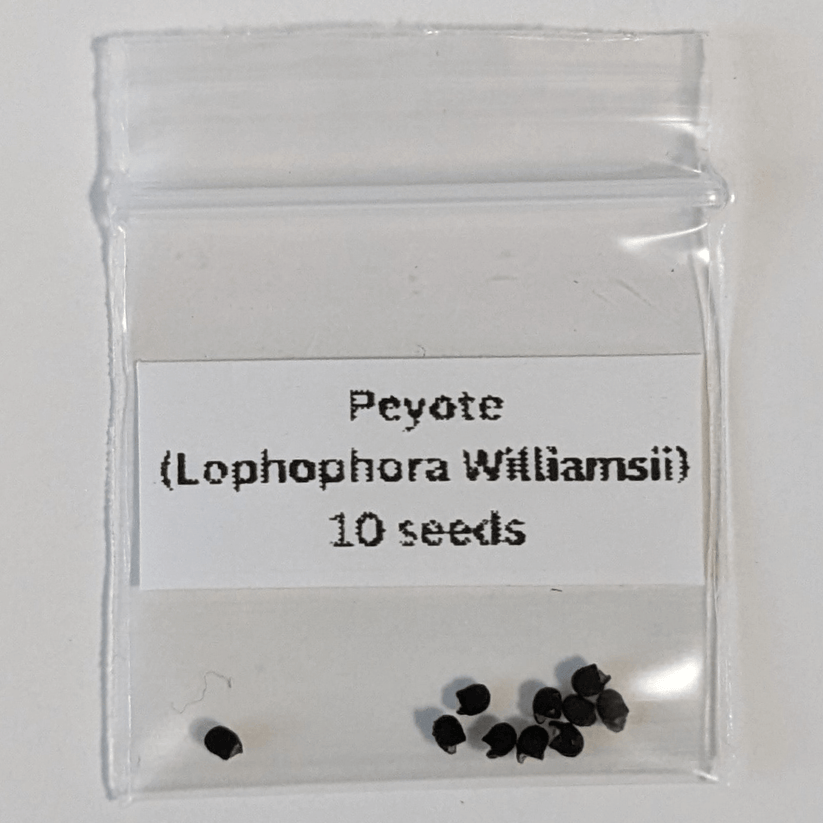
At first glance, Lophophora appears unremarkable—a low, spineless mound of blue-green flesh, nestled in the dust like a forgotten relic. Yet, its very form defies expectation. Without the sharp defenses of its spiny kin, it relies on chemical camouflage and a subtle toxicity to deter predators. This vulnerability, paradoxically, makes it all the more intriguing. Humans have long been drawn to the paradoxical: the gentle yet potent, the unassuming yet transformative. Lophophora’s lack of spines invites touch, but its psychoactive alkaloids—mescaline chief among them—invite transcendence. This duality mirrors humanity’s own dual nature: our capacity for both gentleness and destruction, for curiosity and caution. The cactus does not scream its power; it whispers it, through the slow unfurling of a flower at dusk or the faintest tremor of its ribs under moonlight. It is a teacher in stillness, a reminder that revelation often comes not in thunder, but in the hush of a desert night.
But Lophophora is not alone in its allure. Across the Americas, other cacti have woven themselves into the fabric of human culture. The towering San Pedro, with its candelabra arms reaching toward the heavens, has been a conduit for visions in Andean shamanism for over 3,000 years. The diminutive but potent Peruvian torch, with its vibrant yellow blooms, has been both a medicinal ally and a ceremonial beacon. Even the humble peyote, with its button-like crown, has traversed deserts and cultures, becoming a sacrament from the Rio Grande to the Canadian plains. What unites these disparate species is not just their chemistry, but their choreography with human history. They are the botanical counterparts to our spiritual journeys—slow-growing, patient, and endlessly rewarding to those who learn to listen.
The Shaman’s Staff: Sacred Cacti as Portals to the Otherworld
To the indigenous peoples of the Americas, these cacti were not mere plants; they were living deities, ancestral messengers, and bridges to realms beyond the veil of the everyday. The Huichol of Mexico, for instance, embark on pilgrimages to Wirikuta, the sacred desert where peyote grows, to commune with the peyote spirit, Kauyumari. For them, the cactus is not a drug, but a teacher—a being that imparts wisdom through visions of the divine. The ritual ingestion of peyote is not an escape, but an entry: a step through the threshold of perception into a world where time bends and ancestors speak. Similarly, the Quechua shamans of Peru ingest San Pedro not for euphoria, but for clarity, using its alkaloids to diagnose illness, divine the future, and negotiate with mountain spirits. These practices are not relics of a bygone era; they persist today, adapted and resilient, in the face of modernity’s relentless march.
The cacti themselves are often anthropomorphized in these traditions. Peyote is referred to as “the flesh of the gods,” while San Pedro is called “the teacher plant,” a moniker that underscores its role as a guide rather than a mere substance. The rituals surrounding their use are meticulously choreographed, blending chant, drum, and silence into a symphony of intention. The cactus is not consumed in isolation; it is offered, blessed, and shared. Its effects are not measured in hours, but in the ripples they send through a community—healing rifts, mending broken spirits, and reaffirming the interconnectedness of all life. In this light, sacred cacti are not just tools of the shaman; they are the very architecture of spiritual community, the silent witnesses to humanity’s oldest and most profound rituals.
From Ritual to Rebellion: The Cactus in Modern Counterculture
The 20th century saw sacred cacti leap from indigenous sanctuaries into the global counterculture, where they became symbols of rebellion, introspection, and the search for meaning beyond materialism. The Beat Generation, led by figures like Aldous Huxley and Carlos Castaneda, lionized peyote and mescaline as gateways to expanded consciousness. Huxley’s *The Doors of Perception* transformed the cactus’s alkaloids into a literary phenomenon, while Castaneda’s *The Teachings of Don Juan* mythologized the Yaqui shaman’s use of peyote and datura as a path to “seeing.” Suddenly, these plants were not confined to remote deserts; they were in the hands of poets, artists, and seekers in New York, San Francisco, and London. The cactus, once a sacred emblem, became a countercultural talisman—a middle finger to the rigid structures of society and a middle path to enlightenment.
This migration was not without consequence. As sacred cacti entered the Western lexicon, they were stripped of their cultural context and repackaged as psychedelics—tools for personal exploration rather than communal sacrament. The Huichol’s pilgrimage to Wirikuta became a backpacker’s “vision quest,” and peyote buttons were traded like exotic spices in underground markets. Yet, even in this commodification, the cacti retained their power to disrupt. The 1960s and 70s saw a surge in interest in entheogens, with figures like Timothy Leary advocating for their potential to catalyze social change. The cactus, in this era, was both a weapon and a balm—a way to break free from the shackles of conformity and, perhaps, to heal the fractures within society itself. Today, as psychedelic research undergoes a renaissance, sacred cacti are being re-examined not as recreational drugs, but as medicines for the soul. Studies on mescaline’s potential to treat depression, PTSD, and addiction are reigniting interest in these ancient allies, proving that their cultural significance is not confined to the past, but is very much alive in the present.
The Art of the Cactus: How These Plants Shaped Aesthetic Traditions
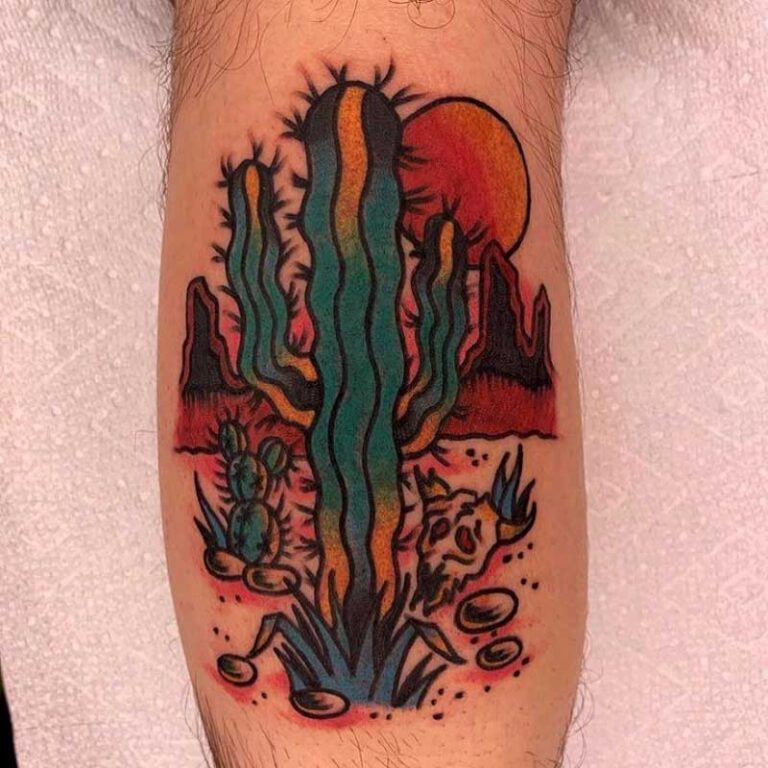
Long before they were ingested, sacred cacti were admired, depicted, and revered in art. The Moche civilization of ancient Peru adorned their pottery with intricate depictions of San Pedro, its serpentine arms curling around human figures in scenes of ritual and transformation. The Aztecs, who called peyote *peyotl*, wove its image into their codices, associating it with the god of fire and the east. Even in modern times, the cactus has become a symbol of resilience and beauty, its stark silhouette gracing everything from Southwestern architecture to minimalist tattoos. The contrast between its thornless exterior and its potent interior has made it a potent metaphor in art—representing the tension between vulnerability and power, stillness and dynamism.
In contemporary art, the cactus often serves as a commentary on environmentalism and cultural identity. Artists like Frida Kahlo and Georgia O’Keeffe immortalized the cactus in their work, using its form to explore themes of endurance and femininity. Meanwhile, indigenous artists continue to weave sacred cacti into their textiles, pottery, and beadwork, ensuring that their spiritual significance is not lost in translation. The cactus, in this context, is not just a subject, but a collaborator—a silent muse that shapes the very act of creation. Its presence in art reminds us that beauty and power are not mutually exclusive; that the most profound expressions of humanity often emerge from the most unlikely of places.
The Future of the Sacred: Conservation, Ethics, and the Cactus in the Anthropocene
As the world grapples with the Anthropocene—the era of human dominance over the planet—sacred cacti face an existential threat. Overharvesting, habitat destruction, and climate change are pushing species like Lophophora and peyote to the brink. The irony is stark: these plants, which have sustained human spirituality for millennia, are now at risk because of humanity’s relentless expansion. Yet, there is hope. Indigenous communities are leading the charge in conservation, cultivating sacred cacti in controlled environments and advocating for their legal protection. Organizations like the Native American Church have fought for the right to use peyote in religious ceremonies, arguing that its prohibition infringes on their constitutional freedoms. Meanwhile, scientists are exploring sustainable cultivation methods, ensuring that these plants can thrive without being stripped from their natural habitats.
The ethical dimensions of sacred cactus use are equally complex. As Western interest in these plants grows, so too does the risk of cultural appropriation. The line between reverence and exploitation is thin, and it is all too easy for outsiders to treat these cacti as mere curiosities rather than sacred allies. The solution lies in reciprocity: in honoring the traditions that gave these plants their meaning, in supporting indigenous-led conservation efforts, and in approaching their use with humility and respect. The cactus, after all, is not a commodity; it is a teacher, a healer, and a bridge between worlds. To engage with it is to enter into a covenant—not just with the plant, but with the earth itself.
A Final Blossom: The Cactus as a Mirror of Humanity
To study sacred cacti is to study the human condition in microcosm. These plants embody our contradictions: our capacity for both destruction and reverence, our hunger for transcendence and our fear of the unknown. They are, in many ways, a reflection of ourselves—vulnerable yet resilient, solitary yet communal, ancient yet ever-evolving. In a world that often feels fractured and disconnected, they offer a reminder of the interconnectedness of all life. They teach us that wisdom is not found in domination, but in humility; that power is not measured in size, but in presence; and that the most sacred things are often the most unassuming.
So the next time you encounter a Lophophora cactus, do not see it as a curiosity to be plucked from the earth, but as a guardian of stories untold. Do not see it as a plant, but as a teacher. And do not see it in isolation, but as part of a vast, living tapestry that stretches across deserts and centuries. For in its ribs and blooms, in its silence and its potency, lies a truth that humanity has always sought: that the sacred is not somewhere else, but here, in the dust beneath our feet, in the petals that open at dusk, and in the quiet, unyielding pulse of life itself.
FAQ
What is the cultural significance of Lophophora?
Lophophora is revered in various indigenous cultures as a sacred plant used for spiritual enlightenment and healing.
How have sacred cacti influenced modern culture?
Sacred cacti have become symbols in counterculture movements, representing rebellion and the quest for deeper meaning.


Leave a Reply