
Short Answer
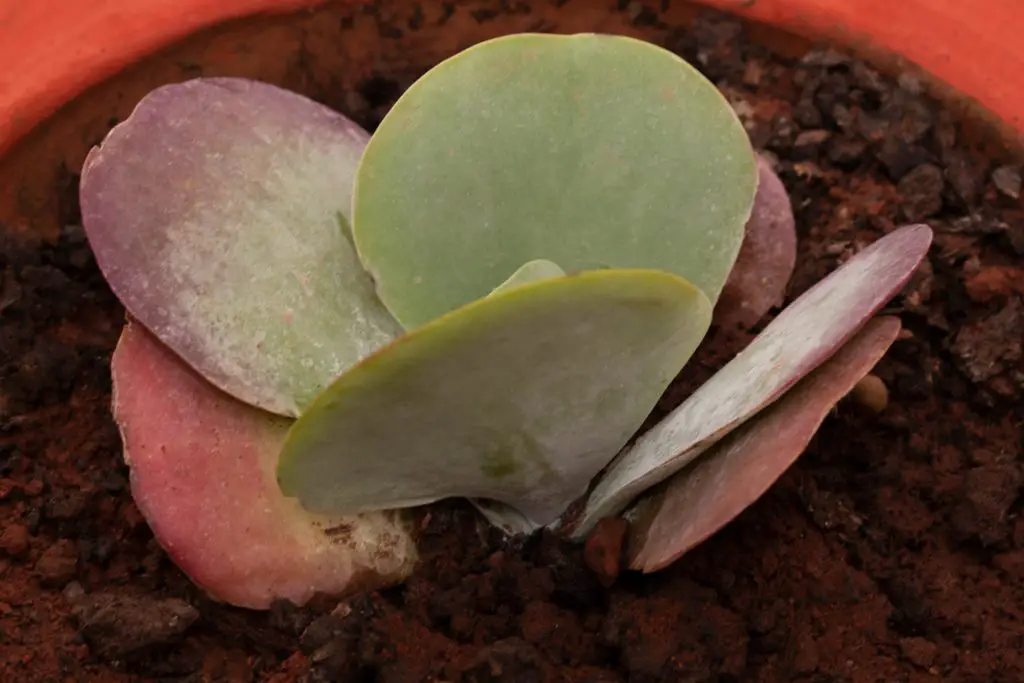
Paddle plants, also known as Kalanchoe luciae, are succulent beauties with paddle-like leaves that bring vibrancy and life to any indoor space or garden. However, when the lush, green leaves begin to droop or turn yellow, it can be distressing for plant enthusiasts. Understanding the causes behind this decline is essential for restoring your paddle plant to its former glory. Below, we will delve into the common reasons that can lead to a demise in leaf health along with practical solutions for each issue.
Optimal care begins with awareness of the plant’s specific needs. Let’s explore the intricacies of paddle plant care to ensure lush, thriving greenery.
Environmental Conditions
One of the primary culprits behind dying leaves is unsuitable environmental conditions. Paddle plants thrive in arid, well-lit environments, mimicking their native habitats in southern Africa. Factors such as light, temperature, and humidity play significant roles in their health.
Sunlight Requirements: Striking the Right Balance
Paddle plants flourish in bright, indirect sunlight. However, too much direct sunlight can scorch their leaves, leading to unsightly browning or wilting edges. Conversely, inadequate light can cause leggy growth, where leaves stretch toward the light source, ultimately weakening the plant. To achieve optimal growth, position your paddle plant near a south or west-facing window where it can receive gentle, filtered sunlight for a few hours each day.
Temperature: Avoiding Extremes
Temperature fluctuations can also adversely affect paddle plants. They prefer warm temperatures ranging from 65°F to 80°F (18°C to 27°C). Exposure to drafty windows, air conditioning vents, or sudden temperature changes can stress the plant. Furthermore, temperatures dropping below 50°F (10°C) can lead to leaf drop. Maintaining a stable temperature within the preferred range is crucial for promoting robust growth.
Humidity: The Silent Saboteur
Paddle plants prefer dry air rather than high humidity environments. Excess moisture in the air can lead to fungal issues and root rot. Ensure good air circulation around your plant, and avoid placing it in overly humid areas, such as bathrooms or next to humidifiers. A desiccating environment is ideal for paddle plants but, remember, they still require occasional attention to watering.
Watering Practices
Overwatering and underwatering are common pitfalls for many plant owners, particularly with succulents. Paddle plants are designed to thrive on infrequent watering, but understanding the subtle cues from the plant is essential for effective care.
Overwatering: The Unseen Threat
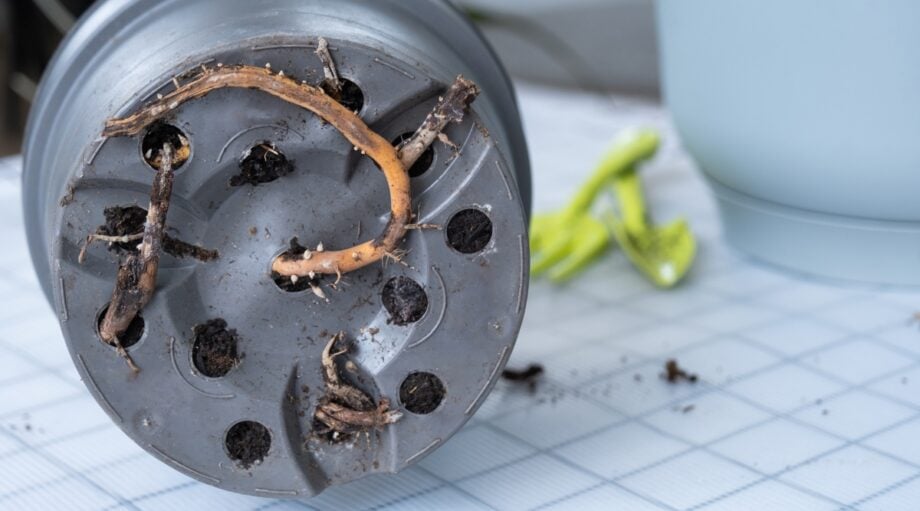
Overwatering is one of the most prevalent causes of paddle plant leaf decline. When water accumulates in the soil, it leads to root rot, which manifests as yellowing leaves, droopiness, and eventually leaf drop. To avoid this, ensure the potting mix is well-draining and allow the top inch of soil to dry out between waterings. Use pots with drainage holes and err on the side of caution; it’s better to underwater than to overwater.
Underwatering: The Insidious Drought
Conversely, underwatering can also have tragic consequences. A paddle plant that has been deprived of water for too long will exhibit shriveled, limp leaves, as the cells in the leaves lose moisture and turgor pressure. During the growing season (spring and summer), it is essential to provide regular waterings that allow the soil to soak through, while still letting it dry out afterward. In the dormant months of fall and winter, you can reduce your watering frequency.
Pests and Diseases
Paddle plants are relatively resilient, but they are not immune to pests or diseases. The two primary culprits include mealybugs and root rot, both of which can jeopardize the plant’s health.
Pest Infestation: A Hidden Menace
Mealybugs can appear as small, cotton-like blobs on your plant’s leaves and can sap vitality from your paddle plant. Check the undersides of leaves and in crevices for these pests. If detected, isolate the affected plant and treat it with insecticidal soap or neem oil. Regular inspections can help to catch pest infestations early, preventing future issues.
Root Rot: A Consequence of Poor Drainage
Root rot is often a direct result of overwatering. Signs include a foul smell emanating from the pot or dark, mushy roots visible upon inspection. To combat root rot, remove the plant from its pot, trim away the affected roots, and allow the remaining roots to dry before repotting in fresh, dry soil. Adequate drainage is paramount for future prevention.
Final Thoughts
Paddle plants can be a hardy addition to your plant collection if given proper care and attention. By understanding environmental needs, adopting optimal watering practices, and scouting pests regularly, you can greatly increase your plant’s chances of thriving. Remember, the goal is to create the perfect balance between moisture, light, and nutrition, ushering your paddle plant back to vibrancy and health.
In the world of horticulture, knowledge is a powerful tool. With this comprehensive guide, you are now equipped to conquer the challenges of paddle plant care and nurture a breathtaking display of healthy foliage.
FAQ
Why are my paddle plant leaves turning yellow?
Yellow leaves usually indicate overwatering or root rot. Ensure good drainage and allow soil to dry between watering.
How often should I water my paddle plant?
Water only when the top inch of soil is dry, reducing frequency in fall and winter.
What light conditions do paddle plants prefer?
They prefer bright, indirect sunlight, avoiding harsh direct sun to prevent leaf scorch.
How do I treat mealybugs on paddle plants?
Use insecticidal soap or neem oil and isolate affected plants to prevent spread.
What temperature is best for paddle plants?
Maintain temperatures between 65°F and 80°F, avoiding cold drafts and temperatures below 50°F.
Leave a Reply