
Short Answer
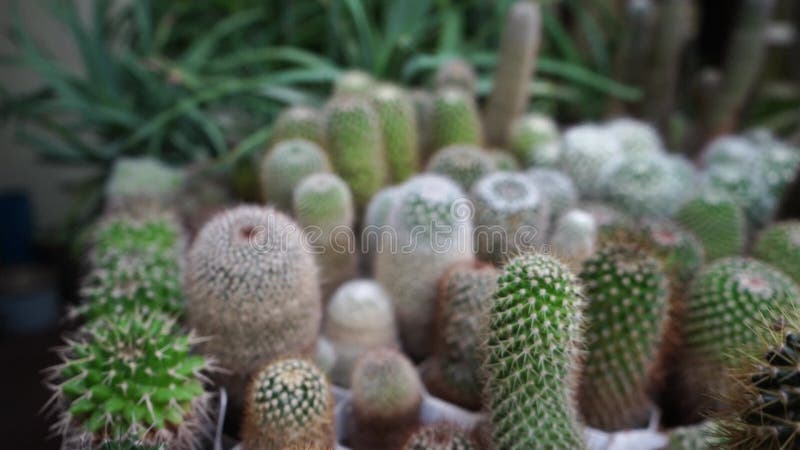
Imagine a desert sculpted not merely by harsh sunlight and unforgiving winds, but by an artist whose brush is patience, resilience, and elegant frugality—this is the world of cacti. These remarkable plants, often seen as stoic sentinels of arid landscapes, hold secrets far beyond their spiny exteriors. Growing cacti is like nurturing tiny warriors of the ecosystem, guardians that bring a suite of astonishing environmental benefits. From conserving precious water to bolstering biodiversity, cacti serve as living testaments to nature’s ingenuity and adaptability. But what makes these succulents truly unique is their ability to transform challenges into opportunities, setting them apart in the verdant tapestry of plant life.
The Art of Water Conservation: Cacti’s Hydraulic Mastery
In a world increasingly plagued by water scarcity, cacti are nature’s hydraulic engineers. Their ability to thrive in parched soils is no less than a biological marvel—cacti exemplify xerophytic adaptation, making them paragons of water efficiency. The fleshy tissues of these plants act as reservoirs, storing copious amounts of water during brief rains and dispensing it sparingly over extended dry spells. Their shallow yet widespread root systems maximize water absorption with minimal expenditure. This evolutionary prowess dramatically reduces irrigation needs when cultivated in gardens or agricultural settings, placing them in a league of their own as sustainable plants. Choosing cacti over thirstier plants is akin to adopting an ecological philosophy centered on conservation and respect for dwindling natural resources.

Carbon Sequestration: Spines Fighting Climate Change
Though modest in stature, cacti engage in a potent respitatory ballet that mitigates rising carbon levels. By using Crassulacean Acid Metabolism (CAM) photosynthesis, they open their stomata at night—when evaporation rates are low—to absorb carbon dioxide. This nocturnal carbon fixation not only conserves water but enhances their efficiency in sequestering atmospheric carbon. Over time, a landscape dotted with thriving cacti becomes a subtle yet significant carbon sink. These plants quietly participate in climate regulation, their slow but steady uptake of CO2 an unsung hero in the grand narrative of global warming mitigation. The cactus spine becomes a metaphorical sword, slashing through the tendrils of climate adversity.
Soil Preservation and Landscape Stabilization
Beneath the surface of any cactus lies a guardian of the soil. Cacti’s root systems, sprawling yet delicate, bind soil particles together and reduce erosion caused by wind and rain. In regions susceptible to desertification, they play an essential role in arresting land degradation. Moreover, their presence encourages the formation of microhabitats that retain moisture and nutrients, fostering a fertile enclave amidst barren expanses. The ecological choreography performed by cacti goes beyond mere survival—it actively rehabilitates and stabilizes landscapes that might otherwise be lost to desert creep. In this way, they become nature’s architects, constructing resilience where fragility once reigned.

Championing Biodiversity: Cacti as Keystone Species
Cacti serve as vital pillars in the ecosystems they inhabit, providing shelter, sustenance, and breeding grounds for a myriad of creatures. Their flowers burst open with vibrant hues, attracting pollinators like bees, bats, and hummingbirds—creating an intricate web of life interlaced through mutual dependency. The fruits of some species feed birds, rodents, and insects, while their structural form offers refuge against predators and harsh weather. Cultivating cacti, even in urban or suburban landscapes, nurtures biodiversity in a manner akin to planting oases—small bastions where wildlife can flourish. The unique morphology and life cycle of cacti render them indispensable players in sustaining ecological balance.
Energy Efficiency and Low-Maintenance Landscaping
Incorporating cacti into green spaces transforms them into ecological marvels that thrive with minimal intervention. Unlike high-maintenance flora that demand fertilizers, frequent pruning, or chemical treatments, cacti flourish on limited nutrients and resist pests naturally. This resilience directly translates to reduced energy consumption in maintenance efforts, lowering the carbon footprint associated with conventional gardening. Their longevity and slow growth further diminish the need for replacement or extensive care. Thus, cacti embody the principle of sustainable landscaping, where beauty meets environmental stewardship. They invite gardeners to adopt a mindset of harmony and patience, celebrating the understated elegance of conservation.

Urban Green Spaces: Cacti in Climate-Resilient Cities
As cities grapple with rising temperatures and shrinking green areas, cacti offer a resilient solution to urban landscaping challenges. Their drought tolerance and ability to thrive in poor soils make them ideal candidates for rooftop gardens, balconies, and public parks where water resources are limited. Beyond aesthetics, these succulents improve air quality by absorbing pollutants and cooling their immediate surroundings through transpiration. Their presence reduces the urban heat island effect, turning concrete jungles into pockets of refreshing vitality. Moreover, they inspire a paradigm shift towards climate-conscious urban planning, exemplifying how nature’s hardiest survivors can be allies in crafting livable, sustainable cities.
Cultural and Psychological Benefits Rooted in Nature’s Resilience
Beyond their ecological virtues, cacti offer profound cultural and psychological enrichment. Their unique shapes and stoic endurance symbolize resilience and adaptability—qualities that resonate deeply in human experience. Caring for cacti nurtures mindfulness and connection to the natural world, fostering a sense of calm and accomplishment. In this way, growing cacti is more than horticulture; it is a meditative practice that celebrates endurance in the face of adversity. This symbiosis between human and plant reflects an ancient narrative of coexistence, where the cactus stands as a quiet monument to life’s tenacity and splendor.
To cultivate cacti is to embrace an emblem of sustainability, artistry, and life’s unyielding spirit. These silent sentinels transform barren spaces into thriving ecosystems, illustrating that beauty and environmental responsibility can coexist seamlessly in even the driest corners of our world.
FAQ
What are the benefits of growing cacti?
Cacti provide environmental benefits such as water conservation, carbon sequestration, soil stabilization, and support for biodiversity.
How do cacti conserve water?
Cacti have specialized adaptations that allow them to efficiently store and use water, making them ideal for arid environments.

Leave a Reply