
Short Answer
Embarking on the journey to cultivate cacti is an adventure filled with resilience, beauty, and surprisingly diverse botanical character. These stoic succulents are not only incredibly low-maintenance but also imbue any space with a distinct charm, blending the rugged allure of desert flora with extraordinary adaptability. For beginners eager to dive into the succulent world without the intimidation factor, this guide presents the top 20 easiest genera of cacti to grow, each brimming with unique attributes and cultivation tips that foster success. Prepare to discover varied textures, colors, and forms while mastering their care with enthusiasm and confidence.
Understanding Cacti: The Essentials of Their Physiology and Needs
Cacti belong to the family Cactaceae, with over 1,700 species adapted primarily to arid environments. Their succulence—storing water in thickened stems—and spines for defense are evolutionary marvels allowing survival where other plants falter. Knowing their natural habitat clues you into their preferences for bright light, well-draining soil, and minimal but consistent watering schedules. Their nocturnal photosynthesis (CAM pathway) aids in conserving moisture, which means overwatering is the most common pitfall to avoid.
Top 20 Easiest Genera to Grow: Overview and Characteristics
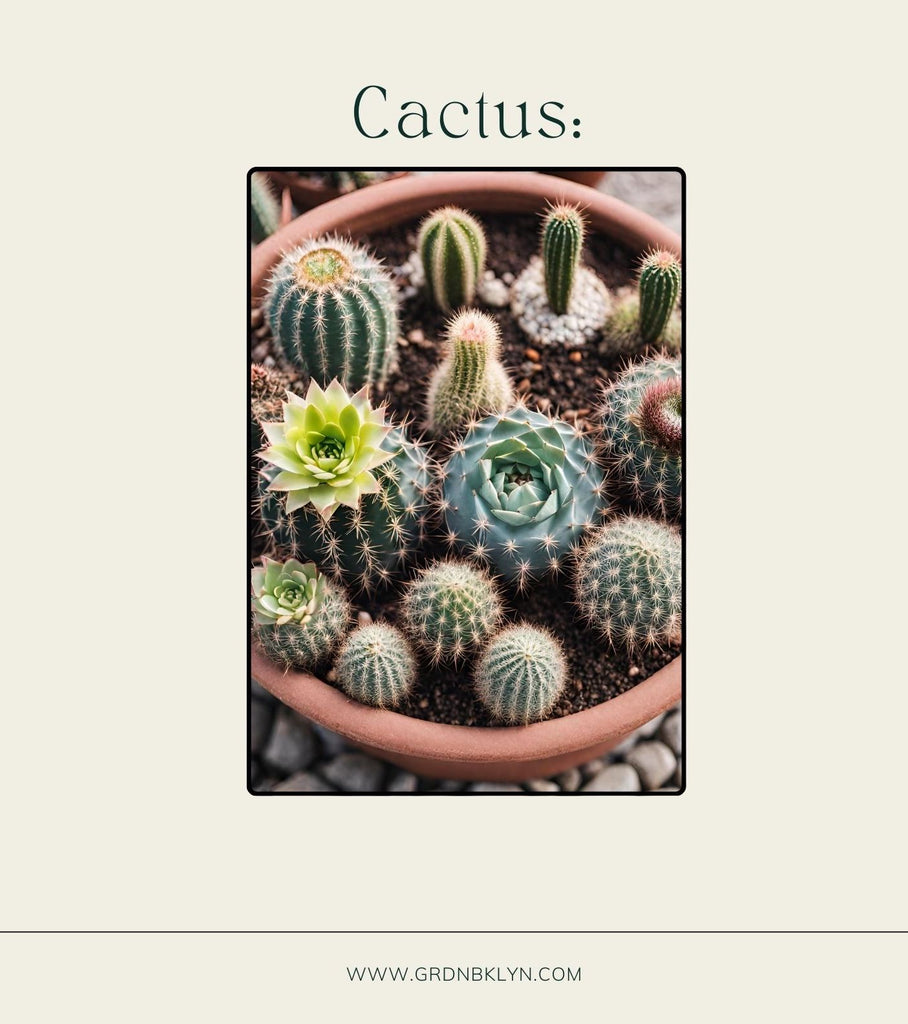
The following genera represent beginner-friendly varieties that tolerate common indoor or garden conditions with minimal fuss. From globular forms to columnar giants and flowering beauties, these cacti cater to diverse tastes and space requirements. They provide a splendid starting point for novices to grasp the nuances of cactus care.
Mammillaria: The Charming Spiny Clusters

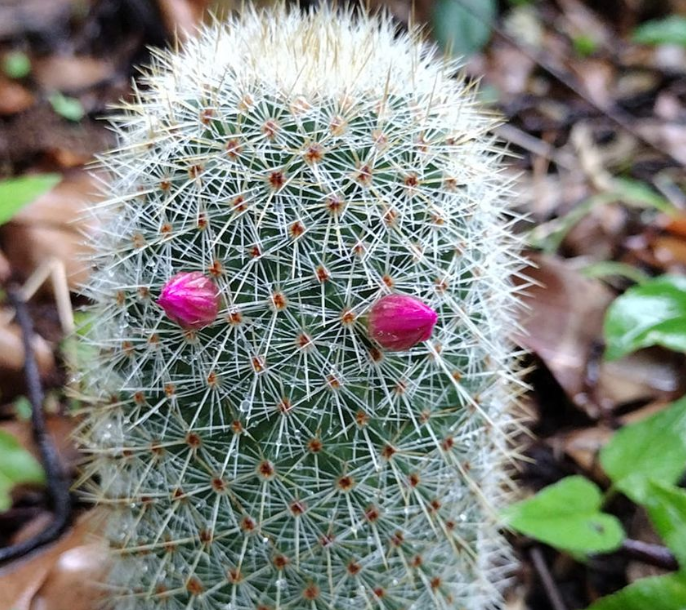
Mammillaria is one of the most expansive genera, renowned for its petite, globe-shaped bodies adorned with intricate spines that sometimes form ethereal white tufts. Its prolific flowering in radiant pinks, whites, and reds adds a striking appeal. These cacti thrive in bright, indirect sunlight and appreciate a dry resting period in winter, making them ideal for windowsills.
Echinopsis: The Enchanting Night Bloomers
Echinopsis species are celebrated for their spectacular nocturnal flowers that unfurl with mesmerising intensity and fragrance. Their rounded stems and ribbed bodies combine beauty with ease of care. Require full sun exposure and well-aerated, gravelly soil to flourish. Watering should be moderate in summer and sparse during dormancy.
Opuntia: The Resilient Paddle Cacti
With their iconic flat, paddle-shaped segments called cladodes, Opuntia cacti are robust warriors of the desert. Often called “prickly pears,” they guard themselves with formidable glochids, so caution during handling is advised. Their hardy nature permits growth in varied climates, including partial shade. Many Opuntia varieties produce edible fruits, bridging horticulture and gastronomy.
Ferocactus: The Barrel-Shaped Guardians
Ferocactus genera sport stout, ribbed cylindrical bodies enveloped by thick, formidable spines. They withstand intense sun and drought conditions magnificently, showcasing resilience that’s as inspiring as their striking form. These cacti demand excellent drainage and a sunny habitat to prevent etiolation and promote flowering.
Astrophytum: The Star-Shaped Wonders
Known as “star cacti” because of their distinctive rib patterns and starry appearance, Astrophytum species captivate with their speckled epidermis and symmetrical geometry. These slow-growing beauties thrive under consistent warmth and moderate watering. Their minimal spine presence emphasizes their sculptural elegance.
Rebutia: The Miniature Ball of Blooms
Rebutia is adored for its compact, clumping habit that produces abundant vibrant blossoms in spring and summer. These small globular cacti prefer cooler temperatures than many counterparts and exhibit remarkable tolerance to occasional overwatering mistakes. Their manageable size suits pots and small garden niches.
Parodia: The Bright and Bushy Cousins
Parodia cacti thrive in indirect light and slightly more humid environments than other genera, making them excellent indoor companions. Their spiny yet soft-looking bodies often flower in oranges, yellows, and reds. With a forgiving nature, they respond well to beginner-level horticultural care.
Gymnocalycium: The Chin Cacti
Gymnocalycium cacti exhibit rounded, ribbed bodies and typically sport striking flowers in whites, pinks, or reds. They prefer partial shade and moderate watering, making them adaptable to variable indoor conditions. Their smooth epidermis contrasts with sharp ribs, adding textural interest.
Notocactus (Parodia magnifica): The Decorative Globes
Closely related to Parodia, Notocactus species combine manageable size with profuse flowering. These globular beauties adapt well to containers and windowsills, requiring bright indirect light and a well-drained substrate. Their vivid blooms reward patient nurture.
Cleistocactus: The Pencil-Shaped Columnar Cacti
Cleistocactus are elongated and slender, resembling green pencils studded with spines. Their vertical growth habit demands vertical space but rewarded by elegant tubular flowers. They flourish with bright sunlight and minimal water, perfect for hanging planters or narrow windowsills.
Discocactus: The Snow-Capped Sculptures
Discocactus captivate with their woolly cephalium—an unusual hairy growth where flowers emerge—and smooth, globular bodies. They require warm temperatures and indirect light, alongside careful watering to avoid rot. Though slightly more delicate, they are extraordinary additions for collectors.
Espostoa: The Softly Woolly Cylinders
Espostoa cacti are covered with fine, soft hairs resembling a fuzzy blanket, creating a surreal tactile quality. Their columnar growth and unique texture make them unmistakable. They appreciate bright light and infrequent watering, excelling in xeriscaping.
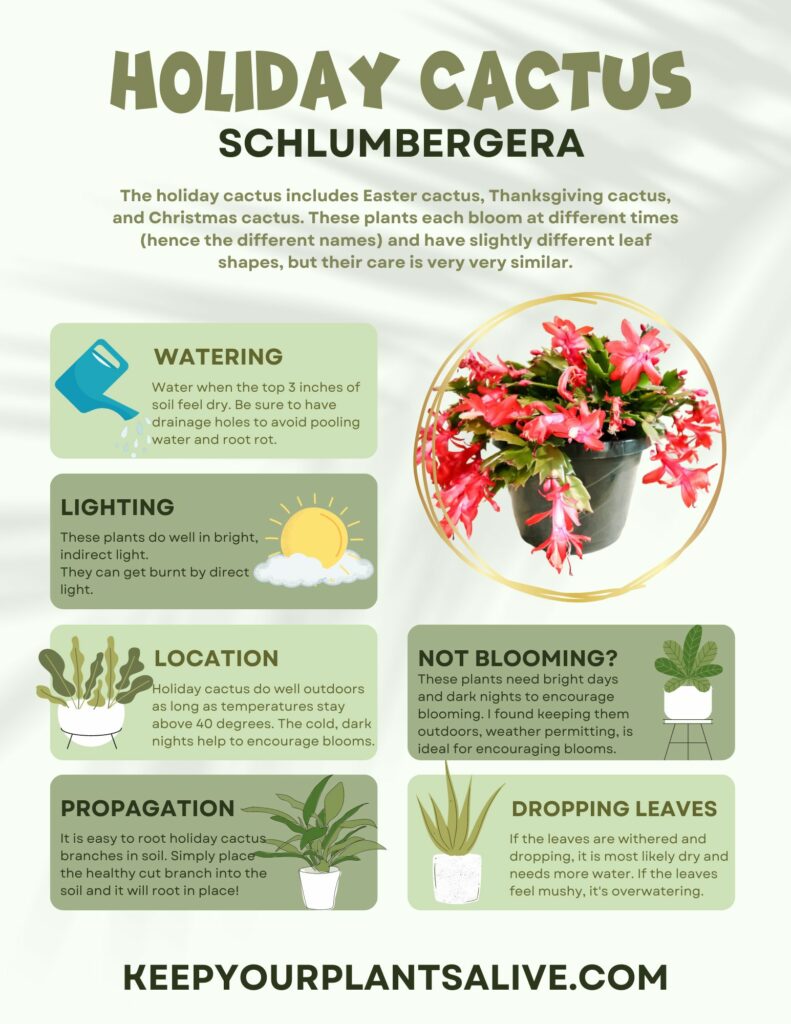
Hatiora: The Epiphytic, Thread-Like Cacti
Hatiora stand apart as epiphytes, thriving on trees rather than desert sands. Their segmented, flat stems and spectacular holiday-like blooms demand higher humidity and indirect light, perfect for hanging baskets in bright interiors.
Rhipsalis: The Trailblazing Rainforest Cacti
Unlike their sun-drenched cousins, Rhipsalis inhabit tropical rainforests and favor shaded, humid environments. Their trailing stems create lush cascades, ideal for hanging planters or terrariums. They require minimal watering and indirect sunlight, offering a delightful contrast to typical cactus expectations.
Eriosyce: The Hardy Hill Climbers
Eriosyce have thickened, rounded stems often marked by dramatic spines. Originating from Chilean hillsides, they are drought-tolerant and resilient. They blossom abundantly in warmer months, rewarding patience with a burst of color.
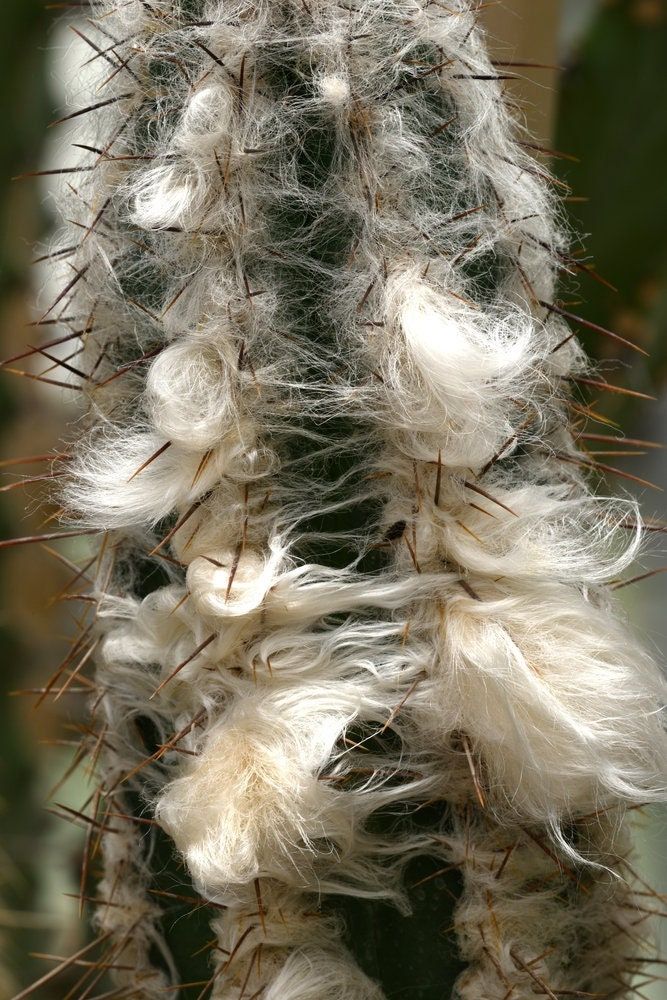
Oreocereus: The Old Man of the Andes
Named for their thick white hairs resembling an old man’s beard, Oreocereus provide a dramatic visual spectacle. They are sun-loving and drought-tolerant but appreciate cooler nights, replicating high-altitude environments.
Stenocactus: The Wavy-Ribbed Wonders
Stenocactus feature tightly packed, undulating ribs that create a mesmerizing ripple effect. Their petite size and blooming propensity make them alluring. They excel in bright, indirect sunlight and require precise watering to avoid overhydration.
Leuchtenbergia: The Agave-Like Cactus
Leuchtenbergia resembles a blend of agave and cactus, with long tubercles radiating like fingers. They are slow growers but impressive in form, demanding bright light and infrequent watering.
Cultivation Tips for Success: Soil, Watering, Light, and Fertilization
All cacti, while diverse, share core cultivation prerequisites. Utilization of a gritty, well-aerated substrate prevents root rot. Watering should respect their dormancy cycle—plentiful but infrequent during growth; minimal in winter. Bright, filtered sunlight is optimal, avoiding scorching midday rays. Fertilize sparingly with dilute, balanced cactus formulas during spring and summer to spur healthy growth and flowering.
Common Challenges and How to Overcome Them
New growers often face issues like etiolation, caused by insufficient light, resulting in stretched, weak stems. Overwatering leads to root rot, the kryptonite of succulents. Pests such as mealybugs and spider mites occasionally appear but respond well to natural insecticidal treatments. Monitoring growth patterns and promptly adjusting care routines ensure thriving plants.
Propagation Techniques: Growing Your Collection
Many cacti in these genera propagate through offsets, cuttings, or seeds. Offsets provide the easiest pathway—simply detach and allow to callous before planting. Cuttings require a dry period before rooting. Seed propagation, while slower, offers an exciting introduction to genetic diversity and variety selection.
Conclusion: Embrace the Succulent Lifestyle
With the right foundation of knowledge and the perfect genera under your care, growing cacti becomes an enriching and visually rewarding hobby. Their enduring resilience, combined with extraordinary aesthetic charm, invites gardeners—even the greenest—to cultivate a desert oasis within their own homes or gardens. Dive into this botanical world with patience, curiosity, and passion, and watch your cactus collection flourish with minimal effort but profound joy.
FAQ
What light conditions do cacti prefer?
Cacti generally prefer bright, indirect sunlight but some varieties can tolerate direct sun.
Can cacti be grown indoors?
Yes, many cacti are suitable for indoor growth, especially species that thrive in lower light conditions.
Leave a Reply