
Short Answer
Can Ariocarpus, those enigmatic succulents cloaked in cryptic textures and subtle geometry, truly thrive under the routine glow of your average household light? Or does this remarkable genus challenge horticulturists to decode the delicate dance of photons and shadow with a finesse that borders on artistry? These desert marvels might seem unassuming at first glance, but their light requirements craft an intricate puzzle—one that, when solved, reveals unparalleled vitality and breathtaking growth.
Understanding Ariocarpus and Their Native Light Environment
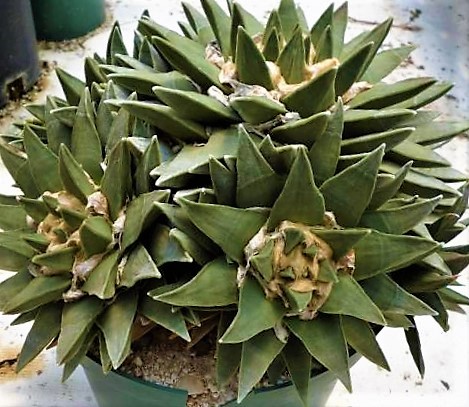
Ariocarpus species hail from the arid regions of Mexico and Texas, where they inhabit limestone-rich soils saturated with intense but filtered sunlight. Unlike the typical cacti that boldly expose their spines to the sun’s full force, Ariocarpus often nestle among rocks and sparse vegetation, capturing a nuanced light regimen. This environment is neither a blistering blaze nor a muted gloom but an exquisite equilibrium of brightness and shade. Their evolutionary trajectory has shaped a succulent that relishes bright ambient light while shielding its delicate epidermis from photodamage.
The Challenge of Replicating Native Light Indoors
Recreating this sophisticated lighting theatre inside one’s home or greenhouse becomes a formidable challenge. Too much direct light can scorch the plant’s tubercles, leading to discoloration or even tissue necrosis. Conversely, insufficient luminosity saps the succulent’s vigor, skewing its growth and dulling its enigmatic aesthetics. The primary conundrum, then, lies in mimicking filtered sun—radiant enough to fuel photosynthesis but subtle enough to prevent solar stress. Ariocarpus responds favorably to high-intensity diffused light, making the positioning of plants crucial in any cultivation setup.
Optimal Light Intensity and Duration for Ariocarpus
Ariocarpus thrives with approximately 6 to 8 hours of bright, indirect sunlight per day. Morning light, with its gentler spectral rays, serves as an ideal infusion for these plants, while intense midday sun, especially during summer, risks overheating. The delicate balance makes east-facing windows a preferred locale for indoor growers. During winter months or overcast days, supplemental artificial lighting can be introduced, provided it mimics the spectrum and intensity of natural light.
Fluorescent grow lights or specialized LED horticultural fixtures offer versatility in fine-tuning this light exposure. Yet, the specter of etiolation looms if light becomes too sparse—manifesting as elongated, weakened growth that betrays the plant’s characteristic compact form. Regular assessment, perhaps through manipulating light angles or durations, is essential to maintain this equilibrium.
The Role of Light Quality: Spectrum Considerations
Not all light is created equal. The photosynthetic apparatus of Ariocarpus is fine-tuned to harness certain wavelengths more efficiently. Blue light (400-500 nm) encourages robust, compact growth, fostering deformation-free development of tubercles and root systems. Meanwhile, red light (600-700 nm) plays a vital role in flowering cycles and helps sustain metabolic rhythms.
In a controlled setting, blending these spectral components creates an environment that closely emulates the diurnal shifts of natural light. LEDs calibrated for horticultural use with adjustable spectrums allow growers to tailor ARIocarpus’ environment precisely. This bespoke approach not only boosts health but also enhances coloration—subtle hues and contrasts emerging more vividly under carefully chosen light spectra.
Signs of Inadequate Light and How to Remedy Them
Spotting light-related stress in Ariocarpus involves astute observation. When underlit, the succulents exhibit symptoms like pallid, elongated growth with diminished density—aptly termed etiolation. This is a desperate reach toward the nearest light source. Conversely, excessive sun exposure causes bleached or burnt spots, a telltale sign of phototoxicity.
Rectifying these issues demands swift alteration in light conditions. For etiolation, incrementally increasing exposure time or relocating plants closer to a bright window generally mitigates the problem. For sunburn, introducing shading measures—such as sheer curtains or repositioning to a spot receiving only indirect light—can restore health. Additionally, gradual acclimatization to increased light levels helps prevent shock, enhancing the plant’s resilience over time.
Seasonal Adjustments: Adapting Light Conditions Year-round
The mercurial nature of daylight across seasons requires growers to adopt a flexible strategy. Summer’s extended, intense light can be a double-edged sword; protecting Ariocarpus with filtered light during peak hours prevents undue stress. Conversely, the shorter daylight span of winter necessitates complementary artificial lighting to sustain metabolic activity and prevent dormancy drift beyond natural rhythms.
Advanced growers often employ timers and light meters to monitor and adjust conditions meticulously. Such precision supports healthier growth cycles and better flowering outcomes. This cyclic attentiveness transforms the act of Ariocarpus cultivation into a dynamic, interactive journey—each season inviting recalibration and renewed focus.
The Intersection of Light with Other Environmental Factors
Light undoubtedly steers much of Ariocarpus’ physiological orchestra, yet it harmonizes with water availability, soil composition, and temperature control. For instance, bright light intensifies evaporation and water uptake, so overwatering under high light can invite root rot. Likewise, optimal light enhances photosynthesis but must coincide with suitable temperature ranges to prevent thermal stress.
Thus, selecting the right light conditions cannot exist in isolation. Integrated cultural practices that consider watering schedules, substrate drainage, and ambient climate collectively nurture the succulent toward peak performance. The interplay between these factors underscores the artistry and science in cultivating Ariocarpus.
Practical Tips for Mastering Ariocarpus Lighting Indoors
For those embarking on this luminous journey, here are refined strategies:
- Position Ariocarpus near bright, east-facing windows to harness gentle morning rays.
- Utilize sheer curtains or adjustable blinds to diffuse harsh sunlight during midday.
- Employ full-spectrum LED grow lights when natural light is insufficient, ensuring 12-14 hours of light with a balanced blue-red ratio.
- Monitor signs of stress regularly, adjusting light intensity gradually to avoid shock.
- Incorporate light meters for precise measurement and consistency.
- Adapt lighting schedules seasonally—less intense, shorter exposures in winter with supplemental lighting.
Through attentive observation and a willingness to fine-tune the interplay of light and shadow, Ariocarpus can flourish spectacularly. These succulents don’t just survive—they mesmerize, inviting an ongoing dance of light that reveals their stoic beauty in mesmerizing detail.
FAQ
What light conditions are ideal for Ariocarpus?
Ariocarpus prefer bright, indirect sunlight for 6 to 8 hours daily, ideally through east-facing windows.
How can I tell if my Ariocarpus is getting too much or too little light?
Signs of too little light include etiolation and weak growth, while too much light can cause bleaching or burning of the plant.
Leave a Reply