
Short Answer
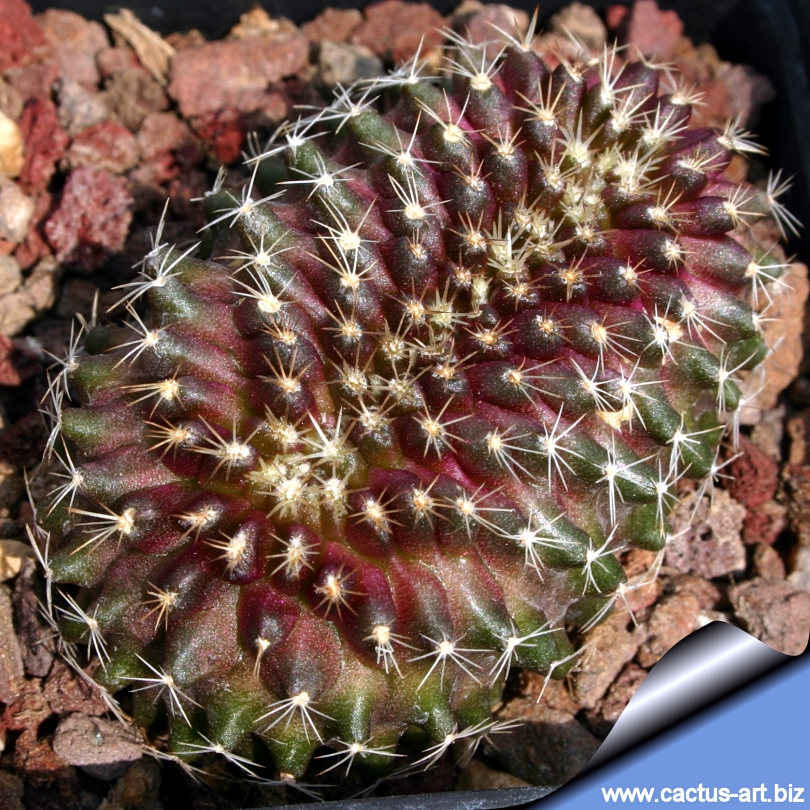
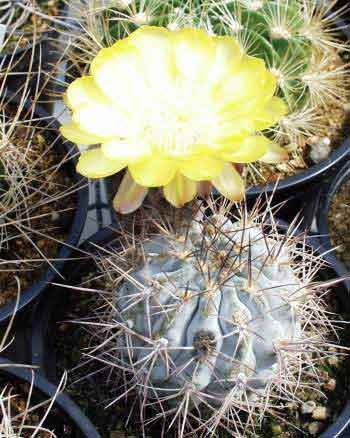
Copiapoa, a genus of intriguing and resilient cacti native to the arid regions of Chile, captivates succulent enthusiasts worldwide with its unique forms and desert charm. Among its many captivating features is the question of propagation—can Copiapoa be grown from offsets? This method, widely favored among cactus growers, offers a fascinating window into the biological resilience and adaptability of these remarkable plants. In this comprehensive exploration, we delve deep into the propagation of Copiapoa, unraveling the science, techniques, and nuances that surround growing new plants from offsets.
The Intricacy of Copiapoa Offsets
Offsets, commonly known as “pups,” are smaller plants that emerge at the base or along the side of the parent cactus. They serve as natural clones, harboring the genetic blueprint of their progenitor. However, not all Copiapoa species produce offsets readily. For instance, Copiapoa cinerea is notorious for its slow or scant offset production, often requiring growers to resort to alternative propagation methods.
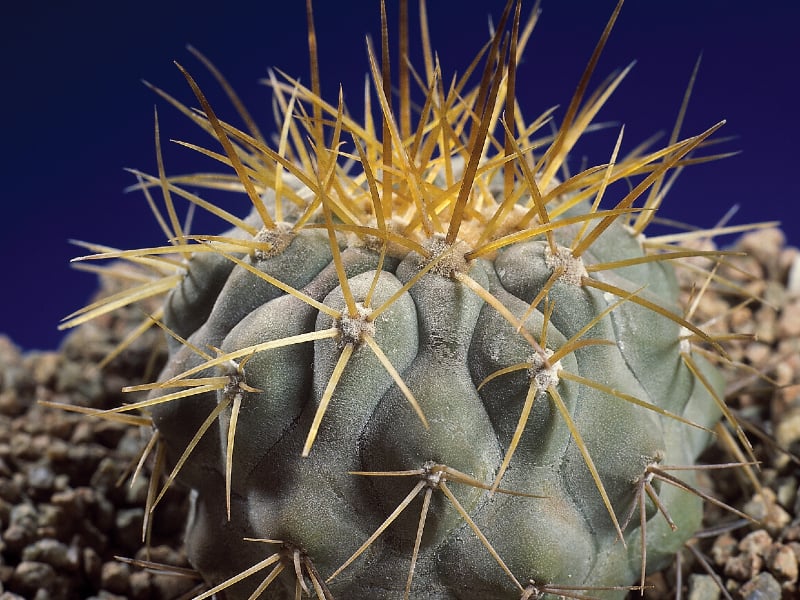
The uniqueness of offsets lies in their potential to bypass seed germination—a time-consuming and sometimes erratic process that demands patience and precise conditions. Propagating from offsets that have already established roots significantly shortens the maturation timeline, accelerating the journey from juvenile plant to mature, flowering specimen. This natural reproductive strategy forms the cornerstone of successful and sustainable propagation for many Copiapoa cultivars.
When Do Copiapoa Produce Offsets?
Timing is critical when working with offsets. Unlike some prolific cactus species, Copiapoa plants often exhibit a slow and deliberate growth rhythm, influenced by environmental conditions such as drought stress and temperature fluctuations. Typically, offsets appear during the active growing season in spring and early summer, when the plant is metabolically active and synthesizing energy for future growth.
Understanding this reproductive seasonality empowers growers to monitor their plants vigilantly and seize the moment to carefully separate the offsets. Attempting propagation during dormancy or under suboptimal conditions can lead to poor offset viability or failure to root.
Separating Offsets: Careful Techniques for Success
Extracting an offset from a parent Copiapoa requires surgical precision and gentle care. Begin by examining the attachment point—the juncture where the pup connects to the mother plant. Ideally, use a clean, sterilized knife or pruning shear to sever the offset, ensuring a clean cut that minimizes tissue damage. It is imperative to handle the succulent body with care to avoid bruising, which can invite infection or rot.
After removal, allow the offset to callus—a crucial step that involves letting the cut area dry for several days to form a protective barrier. This natural scar tissue drastically reduces the risk of fungal invasion when the offset is planted. The callusing phase symbolizes the transition from parasitic attachment to independent organism, ready to embark on its own growth journey.
Optimal Growing Medium for Root Development
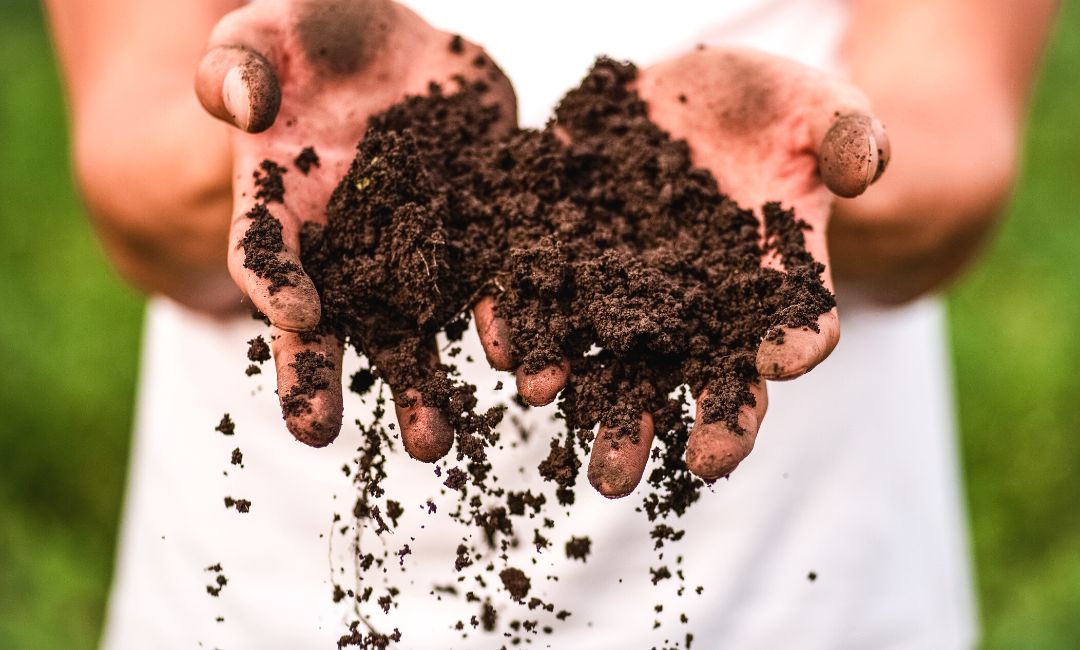
Cultivating healthy roots demands an environment that mimics the rugged, well-drained conditions of their native habitat. A gritty, mineral-rich substrate composed of coarse sand, pumice, and cactus potting mix fosters aeration and prevents stagnant moisture that could rot tender roots. Avoid heavy soils that retain water, as Copiapoa are genetically attuned to arid environs and susceptible to overwatering complications.

Draining pots with ample holes further enhance the rooting environment. Maintaining moderate humidity and diffused light during rooting stimulates root growth while minimizing stress. Avoid direct sunlight that may scorch the delicate new offsets.
Propagation Success Rates and Factors Affecting Growth
Propagation from offsets generally boasts higher success rates compared to seed propagation, but it is not without its challenges. Variables such as offset size, plant health, and environmental parameters influence the outcome dramatically. Young, plump offsets with visible root nubs are prime candidates and typically establish more readily than diminutive or shriveled pups.
Temperature plays a vital role; maintaining propagation environments between 65°F to 80°F (18°C to 27°C) encourages enzymatic activity essential for root initiation. Conversely, cooler conditions may stagnate growth, while excessive heat risks desiccation.
Consistent, light watering post-callus, combined with a gradual increase in sun exposure, assists offsets in acclimating to independent life. Vigilance against pests and diseases during this vulnerability window increases the chance of thriving growth.
Common Mistakes to Avoid When Propagating from Offsets
Despite the relative simplicity of offset propagation, many enthusiasts falter through avoidable errors. Overwatering remains the primary pitfall—excess moisture while offsets have not yet developed robust root systems can lead to rot and plant death. Erroneous assumptions that offsets can endure frequent watering mimic mature plant care strategies, which are incompatible at this delicate stage.
Another misstep involves harvesting offsets too early or too late. Premature detachment hinders root development because the pup lacks sufficient internal resources. Conversely, waiting too long can result in overly fused offsets that cause damage during separation or reduce the number of viable offspring.
Finally, neglecting proper sanitation, such as using unclean tools, can introduce pathogens that devastate both the pup and parent plant. Meticulous hygiene and technique are indispensable to successful propagation.
Beyond Offsets: Alternative Propagation Methods
While offset propagation is favored for its reliability, it is not the sole avenue for expanding your Copiapoa collection. Seed propagation remains an exciting, albeit more demanding, method that enhances genetic diversity and plant variation—a boon for collectors and breeders alike. Layering and grafting also offer intriguing propagation strategies, especially with species that exhibit scarce offset production.

These alternative methods emphasize the sophisticated adaptability of Copiapoa and provide enthusiasts with multiple pathways to nurture new growth. Understanding the nuances of each approach equips growers with a holistic toolkit to ensure propagation success under various circumstances.
The Joy and Rewards of Growing Copiapoa from Offsets
Growing Copiapoa from offsets is a gratifying endeavor that marries patience, technique, and an intimate understanding of succulent biology. Witnessing a tiny pup detach and transform into a full-sized cactus encapsulates the marvel of nature’s persistence. Furthermore, propagation ensures the preservation of unique genetic lines, enabling the continuation of this extraordinary genus for generations to come.
Beyond the scientific and horticultural benefits, the process bestows a profound connection between grower and plant—a mutual resilience forged in the arid crucible of adaptation. Whether you are a seasoned succulent aficionado or an eager novice, propagating Copiapoa from offsets offers an enriching experience that deepens appreciation for these desert treasures.
FAQ
Can Copiapoa be propagated from offsets?
Yes, Copiapoa can be propagated from offsets, which are smaller plants that emerge from the parent cactus.
What is the best time to separate Copiapoa offsets?
The best time to separate offsets is during the active growing season in spring and early summer.
What medium is best for rooting Copiapoa offsets?
A gritty, mineral-rich substrate composed of coarse sand, pumice, and cactus potting mix is best for rooting offsets.
FAQ
Can Copiapoa be propagated from offsets?
Yes, Copiapoa can be propagated from offsets, which are smaller plants that emerge from the parent cactus.
What is the best time to separate Copiapoa offsets?
The best time to separate offsets is during the active growing season in spring and early summer.
What medium is best for rooting Copiapoa offsets?
A gritty, mineral-rich substrate composed of coarse sand, pumice, and cactus potting mix is best for rooting offsets.
Leave a Reply