

Short Answer
The Melocactus genus, often celebrated as the “Turk’s Cap Cacti” due to its distinctive cephalium resembling a Turkish fez, captivates botanists and succulent enthusiasts alike. These succulent marvels, native primarily to the Caribbean and parts of Central and South America, are unique not only in appearance but also in their growth habits and reproductive strategies. Exploring the diverse species within this genus unveils a fascinating blend of botanical ingenuity and natural artistry that makes Melocactus stand apart in the vast cactus family. This guide delves into the most unique Melocactus species, their morphological traits, ecological adaptations, and tips for cultivation, providing a comprehensive understanding of these extraordinary plants.
Defining Features of Melocactus Species
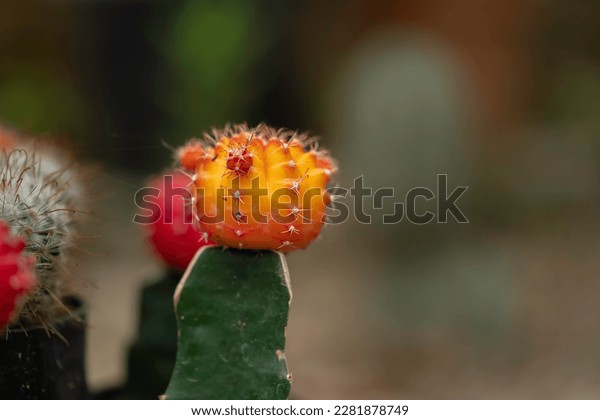
Melocactus species are instantly recognizable by their globular to slightly cylindrical bodies topped with a conspicuous cephalium — a woolly, bristly structure that emerges at maturity. This specialized organ is not merely decorative; it is where flowers and fruits form, signaling the plant’s reproductive phase. Unlike many cacti that produce flowers along their ribs, Melocactus flowers erupt exclusively from this cephalium, which can vary in color from vibrant red to orange or yellow hues.
The stems of Melocactus are typically ribbed and coated with a greenish waxy cuticle that helps reduce water loss. Their spines, varying by species, serve as tactile armor, ranging from short and subtle to long and imposing. These spine configurations and rib numbers are often taxonomically significant and can aid enthusiasts in differentiating between species.
Melocactus Communis: The Iconic Turk’s Cap
One of the most emblematic members of this genus, Melocactus communis, exemplifies the classic Turk’s Cap morphology. Native to the Caribbean islands, this species features a stout, dark green body covered in dense, slightly curved spines. The cephalium emerges as a vivid red cylinder from the crown, vividly contrasting against the succulent stem. This species thrives in rocky, sun-drenched habitats and demonstrates remarkable drought tolerance.

Its flowers are small yet prolific during the blooming season, attracting a variety of native pollinators. The cephalium’s woolly texture also serves as a microhabitat for certain insects, illustrating an intriguing ecological interplay. For growers, this species demands excellent drainage and moderate watering with plenty of sunlight to simulate its native environment.
Melocactus Matanzanus: The Sculpted Desert Jewel
Melocactus matanzanus presents an extraordinary silhouette with sharply defined ribs and stout, golden-yellow spines. Endemic to Cuba, it inhabits rocky limestone hills where soil nutrient profiles are distinctly alkaline. Its cephalium is cylindrical but often slightly tapered and tinged with orange-red, projecting a warm glow in the desert sunlight.
This species’ resilience and striking appearance have made it a prized specimen in succulent collections worldwide. Unlike some Melocacti which remain small, M. matanzanus can reach impressive sizes over decades, making it both a long-term botanical companion and a testament to patient cultivation. Due to its slow, deliberate growth rate, propagation often involves careful seed germination and patience.

Melocactus Zehntneri: The Stalwart of Brazilian Cliffs
Found on the rocky escarpments of northeastern Brazil, Melocactus zehntneri intrigues with its robust, barrel-shaped stem and dense, overlapping spines that form a protective lattice. This species displays a robust cephalium which is typically crimson with a hint of magenta, producing a spectacular floral display in late summer.
Adapted to harsher cliffside microclimates, M. zehntneri exhibits remarkable drought resilience and can survive on minimal water reserves. Its spines serve not only to deter herbivores but also to shade the plant’s surface, mitigating intense solar radiation. For ex-situ conservationists and hobbyists, replicating these cliffside conditions—rocky substrate and excellent aeration—is essential for healthy growth.

Ecological Significance and Pollination Strategies
Melocactus species play crucial ecological roles within their native habitats. Their colorful cephalia are pollination beacons for nocturnal and diurnal pollinators alike, including specific bees, moths, and hummingbirds which have co-evolved with these plants. The flowers’ tubular shape and nectar production are adapted to these visitors, ensuring efficient pollen transfer.
Moreover, the fruits that develop atop the cephalium serve as a food source for various fauna, which in turn aid seed dispersal. This mutualistic relationship underlines the interconnectedness of Melocactus with its ecosystem. These plants also contribute to stabilizing fragile soils in arid environments, preventing erosion with their deepened root systems and toughened stems.
Tips for Cultivating Melocactus Species
Cultivating Melocactus requires an understanding of their delicate balance between drought tolerance and the need for consistent, albeit minimal, moisture. These cacti demand well-draining substrates enriched with mineral content that mimic their native rocky or sandy soils. Overwatering is a common pitfall, often leading to root rot.
Lighting is another vital factor; while Melocactus species thrive in full sun, extreme midday heat in non-native climates may necessitate partial shade. The cephalium development is a sign of maturity, often occurring after several years of growth, and indicates that the plant is ready for flowering and fruiting cycles. Patience is key, as rapid growth is not characteristic of this genus.

Propagation is primarily achieved through seeds, although some species will produce offsets rarely. Seed germination requires warm temperatures and consistent moisture, but without waterlogging. Melocacti are slow-growing, but their unique stature and floral displays reward dedicated caretakers.
Conservation Challenges and Future Outlook
Many Melocactus species face threats from habitat destruction, illegal collection, and climate change. Their slow growth and specific habitat requirements compound their vulnerability. Conservation efforts emphasize habitat protection, propagation research, and regulation of trade through international agreements. Botanical gardens and succulent nurseries are increasingly prioritizing these species to sustain diversity and public education.
Future exploration into the adaptive genetics of Melocactus may unravel secrets of drought resilience and cephalium formation, providing insights applicable to broader botanical and ecological sciences. Enthusiasts and professionals alike are encouraged to engage with conservation initiatives, ensuring these extraordinary cacti continue to enchant generations to come.
FAQ
What are Melocactus species?
Melocactus species, known as Turk’s Cap Cacti, are unique cacti characterized by their cephalium and drought-resistant growth habits.
How do I care for Melocactus?
Melocactus requires well-draining soil, moderate watering, and full sunlight for optimal growth.
What are the ecological roles of Melocactus?
Melocactus species support pollinators, stabilize soils, and provide food for fauna, contributing to their ecosystems.



Leave a Reply