
Short Answer
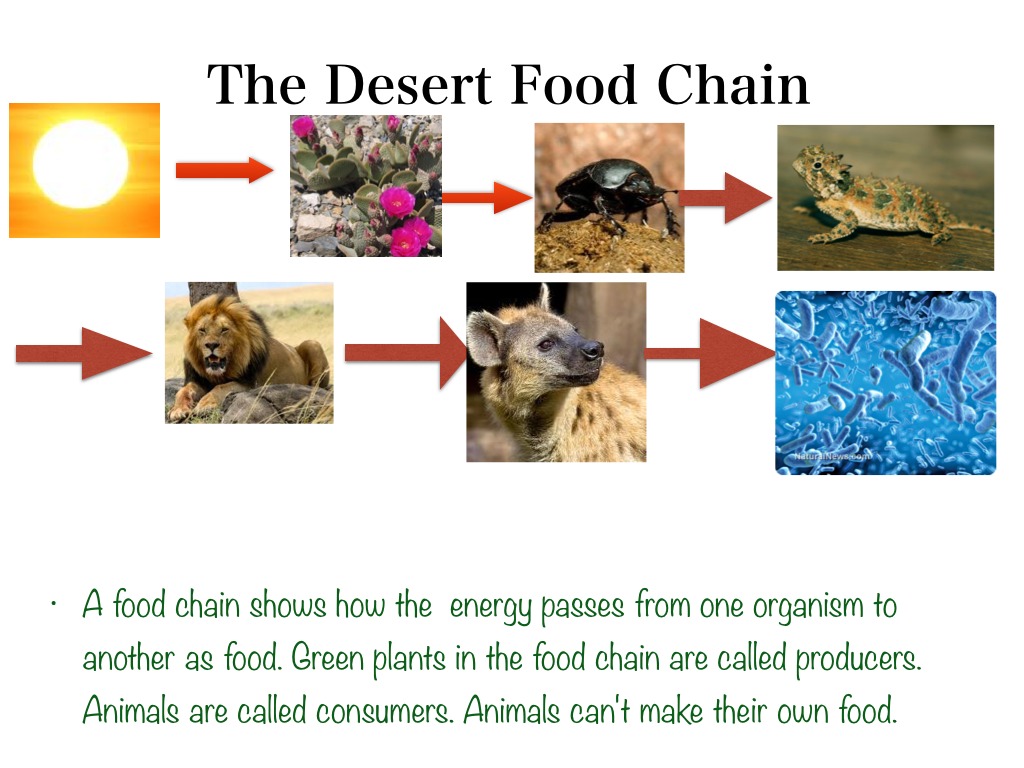
The sun-baked expanse of a desert may appear barren at first glance, a place where life clings precariously to the edge of survival. Yet, beneath the shimmering heat and shifting sands, a complex web of existence thrives—one where the humble cactus stands as a linchpin. These spiny sentinels are not merely survivors; they are architects of an ecosystem, shaping the very foundations of desert food chains. Their resilience is more than a marvel of nature—it is a lifeline for creatures great and small, from the industrious kangaroo rat to the majestic Gila monster. Understanding the role of cacti in these arid landscapes reveals a story of interdependence, adaptation, and the delicate balance that sustains life in the harshest of environments.
The Cactus as a Keystone Species: Architect of the Desert Ecosystem
In the lexicon of ecology, a keystone species is one whose presence—or absence—sends ripples through an entire ecosystem. Cacti, particularly species like the saguaro (*Carnegiea gigantea*) and the barrel cactus (*Ferocactus* spp.), occupy this critical role in desert biomes. Their towering arms and water-storing stems create microhabitats, offering shade and refuge to a myriad of organisms. The saguaro’s hollowed-out skeletons, once it collapses, become nesting sites for birds like the Gila woodpecker, while its fruit sustains everything from insects to mammals. Without these botanical giants, the desert’s food web would unravel, leaving countless species without shelter or sustenance. Their survival is not just a matter of endurance; it is a cornerstone of biodiversity.

Water Storage: The Cactus as a Desert Oasis in Miniature
Deserts are defined by scarcity, yet cacti have evolved an extraordinary solution: succulence. Their fleshy, ribbed stems act as reservoirs, storing water for months—or even years—when rainfall is a distant memory. This adaptation is a masterclass in efficiency. The barrel cactus, for instance, can swell to grotesque proportions after a rare downpour, its pleated skin expanding like an accordion to hold gallons of precious liquid. This stored water becomes a lifeline not just for the cactus itself but for the creatures that depend on it. Bees, hummingbirds, and even coyotes will gnaw at the stems to quench their thirst during the driest spells. In a landscape where water is the ultimate currency, the cactus is the bank—and everyone is a depositor.
Nectar and Nectarivores: The Sweet Deal of Cactus Flowers
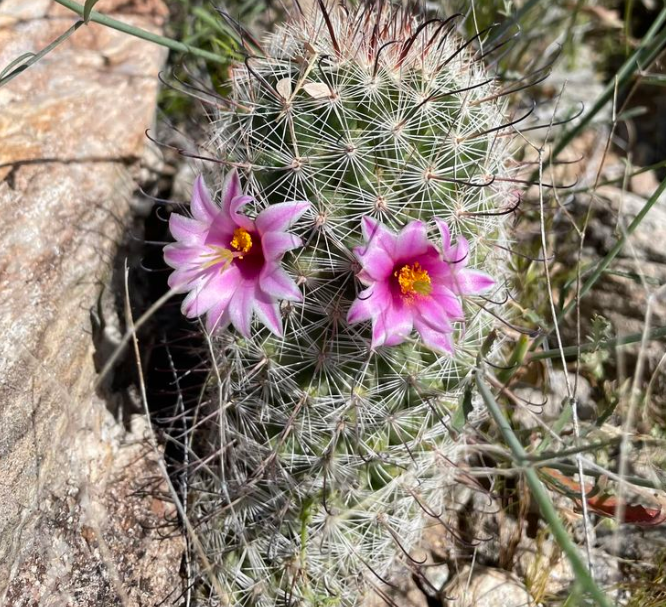
When the desert blooms, it does so in a spectacle of color and fragrance, and cacti are often the stars of the show. The vibrant flowers of species like the prickly pear (*Opuntia* spp.) and the hedgehog cactus (*Echinocereus* spp.) burst forth in a riot of pinks, yellows, and reds, beckoning pollinators from miles away. These blooms are more than a visual feast; they are a nutritional one. The nectar they produce is a high-energy fuel for insects, bats, and birds, including the lesser long-nosed bat, which migrates hundreds of miles to feed on cactus flowers. In return, these pollinators transfer pollen, ensuring the cactus’s reproductive success. This mutualistic dance is a testament to the cactus’s role as both provider and partner in the desert’s grand symphony.

Fruit and Frugivores: The Cactus as a Desert Grocery Store
The cactus’s generosity extends beyond nectar to its fruit, which ripens into a bounty of pulp and seeds. The saguaro’s crimson fruit, for example, is a magnet for species ranging from the white-winged dove to the coyote. Even the humble kangaroo rat, a creature no larger than a fist, will climb cactus arms to feast on the sweet pulp, later dispersing the seeds in its droppings—a process that ensures the cactus’s propagation. The fruit’s high sugar content provides a quick energy boost, while the seeds offer a protein-rich meal. In this way, the cactus orchestrates a cycle of consumption and renewal, its fruit acting as both a meal and a means of dispersal for its own offspring.
Spines and Predators: The Cactus’s Armor and Its Unexpected Allies
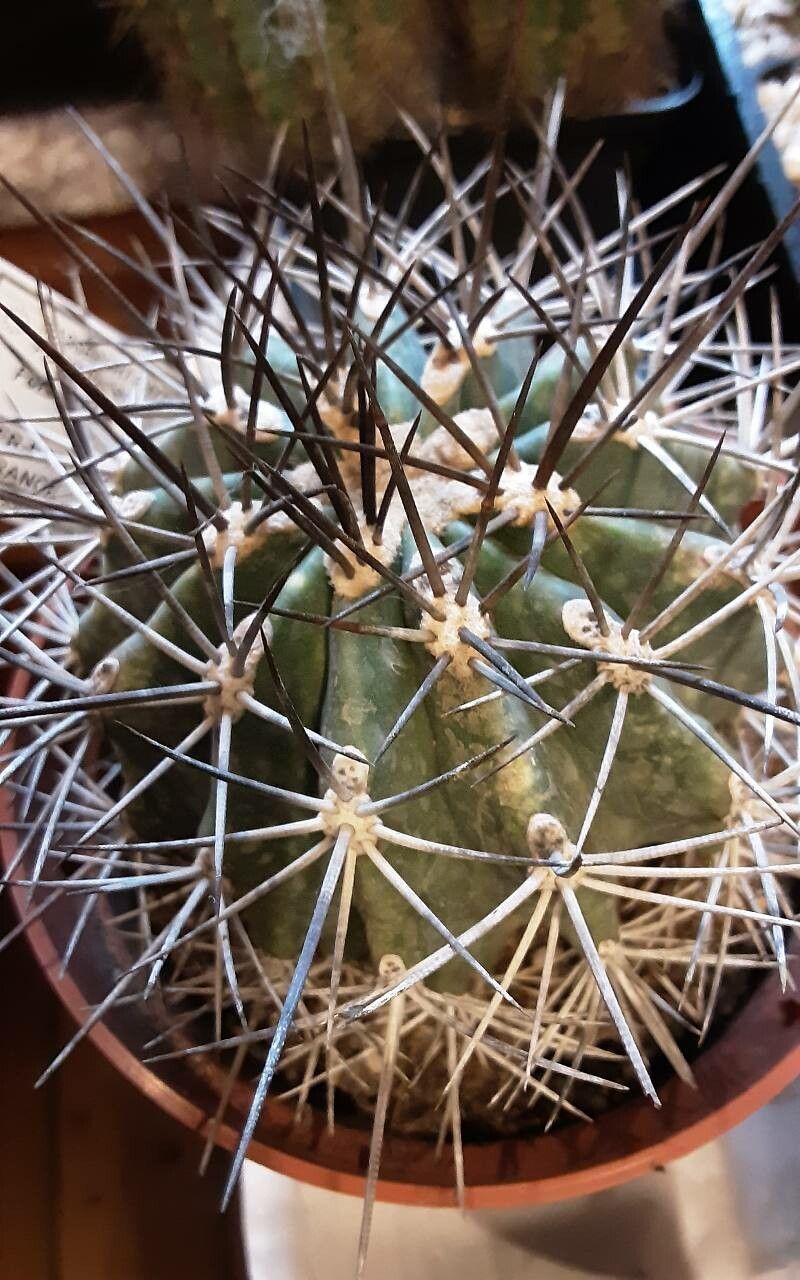
To the untrained eye, the spines of a cactus may seem like a deterrent, a warning to stay away. Yet, these sharp structures serve a dual purpose. For the cactus, they are a shield against herbivores, from grazing tortoises to hungry deer. For other species, however, they become a haven. The Gila woodpecker, for instance, carves out nesting cavities in the soft wood of a saguaro, its chisel-like beak perfectly adapted to the task. Even the spines themselves provide shelter; the desert tortoise will wedge itself among the spines of a cholla cactus to escape the midday sun or evade predators. What appears to be a fortress for the cactus is, in reality, a multi-functional ecosystem hub.
Decomposition and Detritivores: The Cactus’s Final Gift to the Desert
When a cactus reaches the end of its life, its legacy does not end. As it decomposes, its tissues become a feast for detritivores—organisms that feed on dead organic matter. Beetles, fungi, and bacteria break down the cactus’s remains, recycling its nutrients back into the soil. This process enriches the earth, fostering the growth of new plants and, in turn, supporting the herbivores that feed on them. The cactus’s death is not an end but a transformation, a final act of generosity in a cycle of perpetual renewal. Without this decomposition, the desert would stagnate, its soils depleted of the very nutrients that sustain life.
The Cactus in Crisis: Threats and the Fight for Survival
Despite their resilience, cacti face an onslaught of threats, both natural and anthropogenic. Climate change, with its erratic rainfall patterns and rising temperatures, disrupts the delicate balance cacti have maintained for millennia. Prolonged droughts can stunt their growth or even kill them outright, while invasive species like the Argentine ant outcompete native pollinators, threatening the cactus’s reproductive success. Human activity, too, takes a toll—urban sprawl, agriculture, and the illegal trade of rare cacti like the peyote (*Lophophora williamsii*) push some species to the brink of extinction. Conservation efforts, such as seed banking and habitat restoration, are critical to ensuring that these botanical titans continue to play their vital role in desert ecosystems.
Cultural and Economic Significance: More Than Just a Plant
The cactus’s importance extends beyond ecology into the realms of culture and economy. Indigenous communities across the Americas have long revered cacti for their medicinal properties, nutritional value, and spiritual symbolism. The prickly pear, for instance, is a staple in Mexican cuisine, its pads and fruit used in everything from salads to traditional remedies. In the American Southwest, the saguaro holds sacred significance for the Tohono O’odham people, who consider it a living ancestor. Economically, cacti contribute to industries like landscaping, where drought-resistant species are prized for xeriscaping, and the global trade in ornamental cacti, which, while lucrative, must be balanced with conservation to prevent exploitation.
Conclusion: The Cactus as a Symbol of Resilience and Interdependence
The desert is often romanticized as a place of solitude and harshness, but in reality, it is a theater of interdependence, where every organism, no matter how small, plays a part. The cactus, with its spines, stems, flowers, and fruit, is a microcosm of this interconnectedness. It is a provider, a protector, and a partner, its survival intricately woven into the fate of countless other species. To protect the cactus is to protect the desert itself—a reminder that in the most unforgiving of landscapes, life finds a way, and it does so with remarkable ingenuity. The next time you see a cactus standing tall against the horizon, remember: it is not just a plant. It is a lifeline.
FAQ
What role do cacti play in desert ecosystems?
Cacti serve as keystone species, providing habitat, food, and water for various desert organisms, thus maintaining ecosystem balance.
How do cacti adapt to survive in arid environments?
Cacti have evolved to store water in their tissues, possess spines for protection, and produce flowers and fruits that attract pollinators.

Leave a Reply