
Short Answer
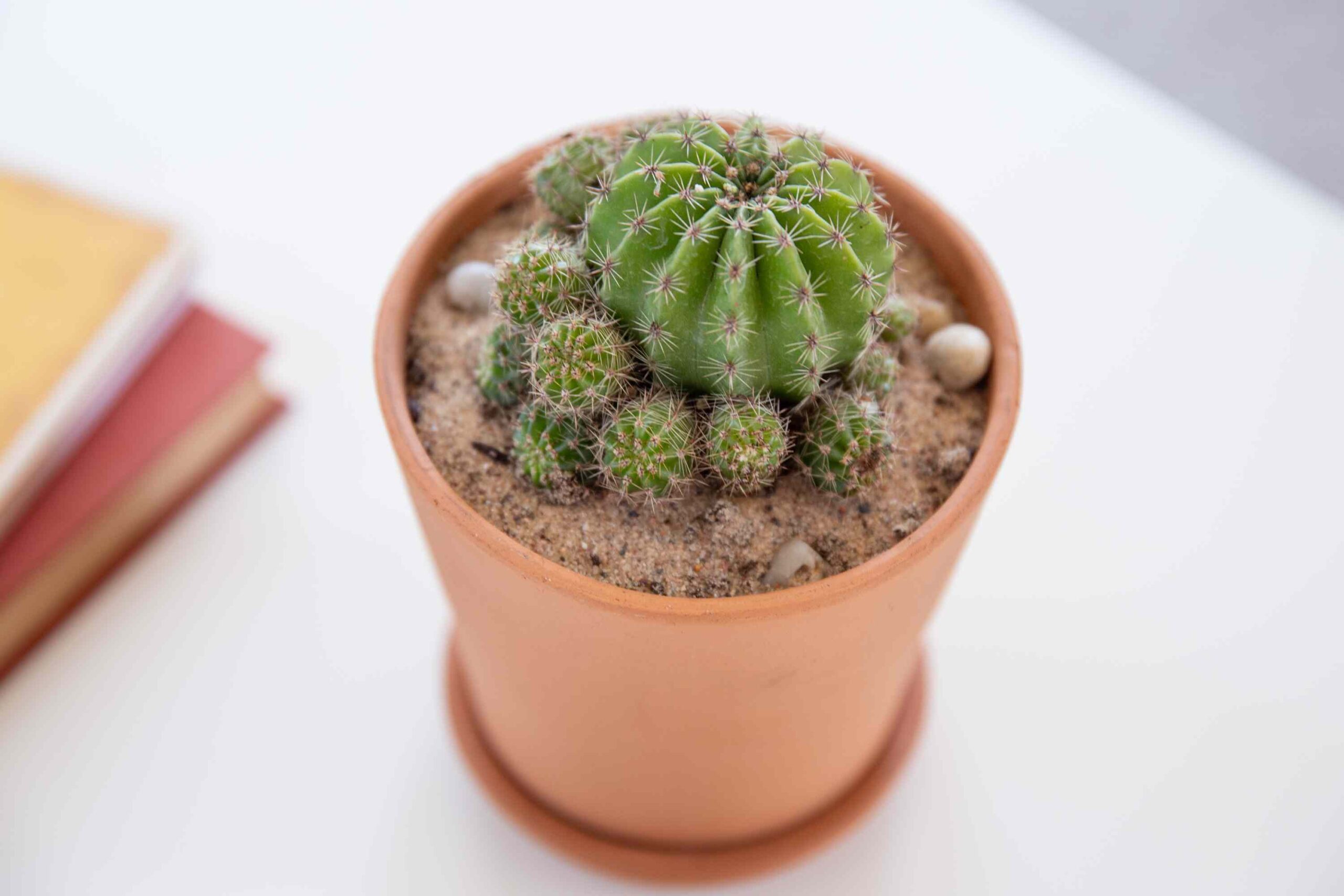
Picture this: a sentinel of the desert, a living orb of resilience, its ribs of emerald stretching toward the sun. The Echinocactus—commonly known as the barrel cactus—stands as a testament to nature’s tenacity, thriving where others wither. Yet, even this desert monarch can be felled not by drought, but by the insidious embrace of too much water. In our quest to nurture, we often drown the very life we seek to cultivate. Today, we shatter the myth of constant hydration and embark on a journey to master the art of watering this spiny titan with precision, reverence, and a touch of botanical audacity.
The Myth of the Thirsty Cactus: Why Overwatering is the Silent Saboteur
We’ve all been there—standing in the garden aisle, bottle of water in hand, convinced that our plants are pleading for a drink. But the Echinocactus is no wilting wallflower. It is a survivor, evolved to extract moisture from the barest whispers of rain in the harshest of climates. When we flood its roots, we don’t quench its thirst; we suffocate its spirit. Overwatering doesn’t just dampen the soil—it invites rot, a creeping fungal assassin that gnaws at the roots before the first signs appear above ground. The cactus doesn’t drown like a fish; it rots like a forgotten apple in a damp cellar. The first clue? A soft, mushy base, a betrayal of the very resilience we admire. Recognize this early, and you may yet save your botanical sentinel from an untimely demise.
The Desert’s Whisper: Understanding the Echinocactus’ Hydration Language
To water an Echinocactus is to learn a new dialect—one of subtle cues and seasonal shifts. This cactus doesn’t speak in thirst; it speaks in silence. It thrives on neglect, not indulgence. During its active growing season—spring and summer—it demands only occasional sips, not gulps. A deep soak every two to three weeks is often sufficient, allowing the soil to dry completely between waterings. But come autumn and winter, when the desert winds howl and the sun retreats, the Echinocactus enters a state of dormancy. Watering should cease almost entirely. Think of it not as neglect, but as respect for its natural rhythm. The soil should be as dry as a sunbaked adobe brick. Any moisture during this period is a false promise, a trick of the light that lures the unwary into overwatering’s deadly dance.
Soil Alchemy: Crafting the Perfect Arid Habitat
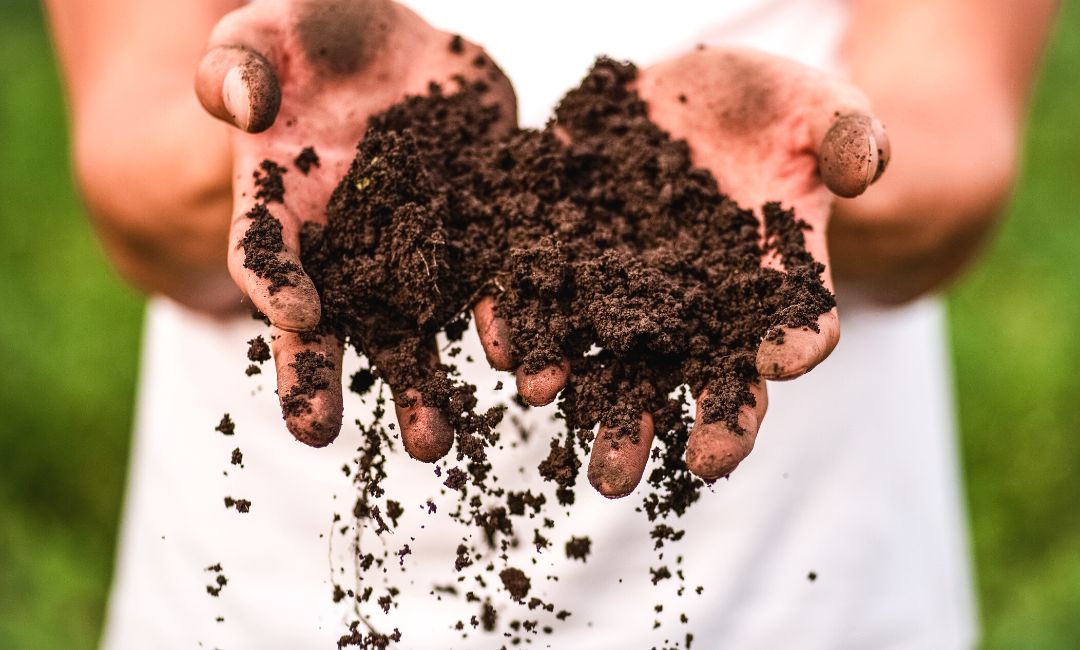
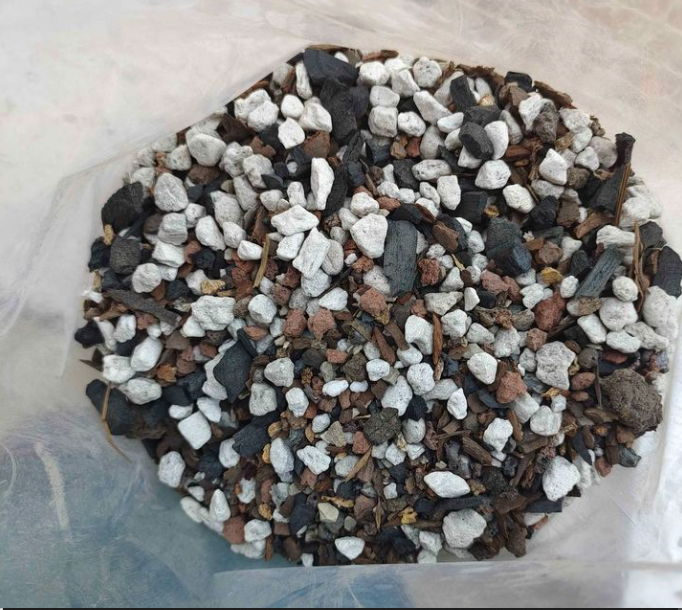
Watering isn’t just about timing—it’s about terrain. The Echinocactus doesn’t just dislike soggy soil; it despises it. To mimic its native habitat, you must engineer a substrate that mimics the desert floor: porous, gritty, and utterly unforgiving of excess moisture. A blend of coarse sand, perlite, and a smattering of cactus-specific potting mix creates a foundation where water drains like a mountain stream, leaving the roots high and dry. Avoid peat-heavy soils, which retain water like a sponge, turning your pot into a miniature swamp. If your Echinocactus is planted in such a medium, repotting isn’t just advisable—it’s an act of mercy. The right soil isn’t just a vessel; it’s a lifeline, the difference between a thriving specimen and a rotting relic.
The Pot Paradox: Size, Material, and the Art of Root Breathing
Even the most meticulously timed watering can be undone by the wrong container. A pot that’s too large is a death trap, holding onto moisture like a miser clutching coins. The Echinocactus prefers a snug fit, where excess soil dries out quickly. Terracotta pots, with their porous walls, are ideal—they wick away moisture, preventing the dreaded waterlogged fate. Plastic, while lightweight and convenient, traps humidity like a greenhouse, a silent accomplice to overwatering. And drainage? Non-negotiable. A pot without holes is a coffin with a lid. If your Echinocactus is imprisoned in such a vessel, free it immediately. The right pot isn’t just a home; it’s a sanctuary where roots can stretch, breathe, and thrive without the suffocating embrace of excess water.
Signs of Life, Signs of Death: Reading Your Cactus Like a Weathered Scroll
The Echinocactus is a cryptic communicator, its messages etched in texture, color, and form. A healthy specimen is firm to the touch, its ribs plump and its spines vibrant. But when overwatering takes hold, the signs are unmistakable. The base softens, a telltale mushy surrender to rot. The ribs pucker and wrinkle, not from thirst, but from the betrayal of too much water. The spines may yellow or drop, a desperate shedding of armor against an unseen foe. Even the color shifts—from deep green to a sickly, translucent pallor. These are not cries for help; they are last warnings. If caught early, you may yet reverse the tide. Trim away the rot, repot in fresh soil, and withhold water entirely until the plant stabilizes. But if the damage is severe, the cactus may be beyond saving. Learn to read these signs, and you’ll never again mistake overwatering for kindness.
Seasonal Choreography: Dancing with the Sun’s Shifting Moods
The Echinocactus doesn’t follow a human calendar; it follows the sun’s whims. In the scorching embrace of summer, it may demand slightly more frequent waterings—once every two weeks, perhaps—but never enough to drown its roots. As autumn’s chill creeps in, the rhythm slows. By winter, the cactus is a statue, frozen in time, needing only the occasional mist to prevent desiccation. Spring heralds a cautious awakening, with waterings resuming sparingly until the cycle begins anew. This isn’t just gardening; it’s a waltz with the elements, a choreography of restraint and respect. Ignore the seasons, and you’ll find your Echinocactus gasping for air in a soil swamp. But master the dance, and you’ll witness a transformation—from a struggling survivor to a radiant emblem of desert tenacity.
The Ripple Effect: How Proper Watering Transforms Your Entire Garden
Caring for an Echinocactus isn’t just about one plant—it’s about reshaping your entire approach to gardening. When you learn to water with precision, you cultivate a mindset of observation, patience, and humility. You stop treating plants as decorations and start seeing them as living beings with needs and boundaries. This shift ripples outward, influencing how you care for other succulents, how you design your garden, and even how you interact with the natural world. The Echinocactus becomes more than a plant; it becomes a teacher, a reminder that less is often more, that restraint can be an act of love. In a world obsessed with excess, the barrel cactus stands as a defiant symbol of sufficiency. Water it wisely, and you don’t just grow a plant—you grow wisdom.
FAQ
How often should I water my Echinocactus?
During the growing season, water every 2-3 weeks, allowing the soil to dry completely between waterings.
What signs indicate overwatering in Echinocactus?
Signs include a soft, mushy base, wrinkled ribs, and yellowing or dropping spines.
Leave a Reply