
Short Answer
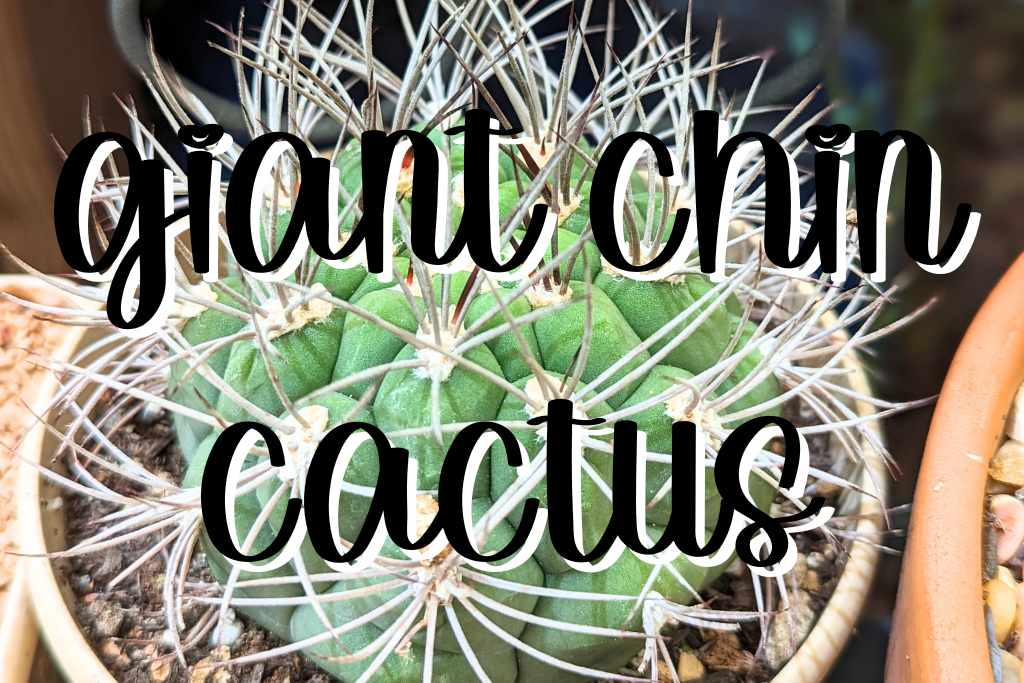
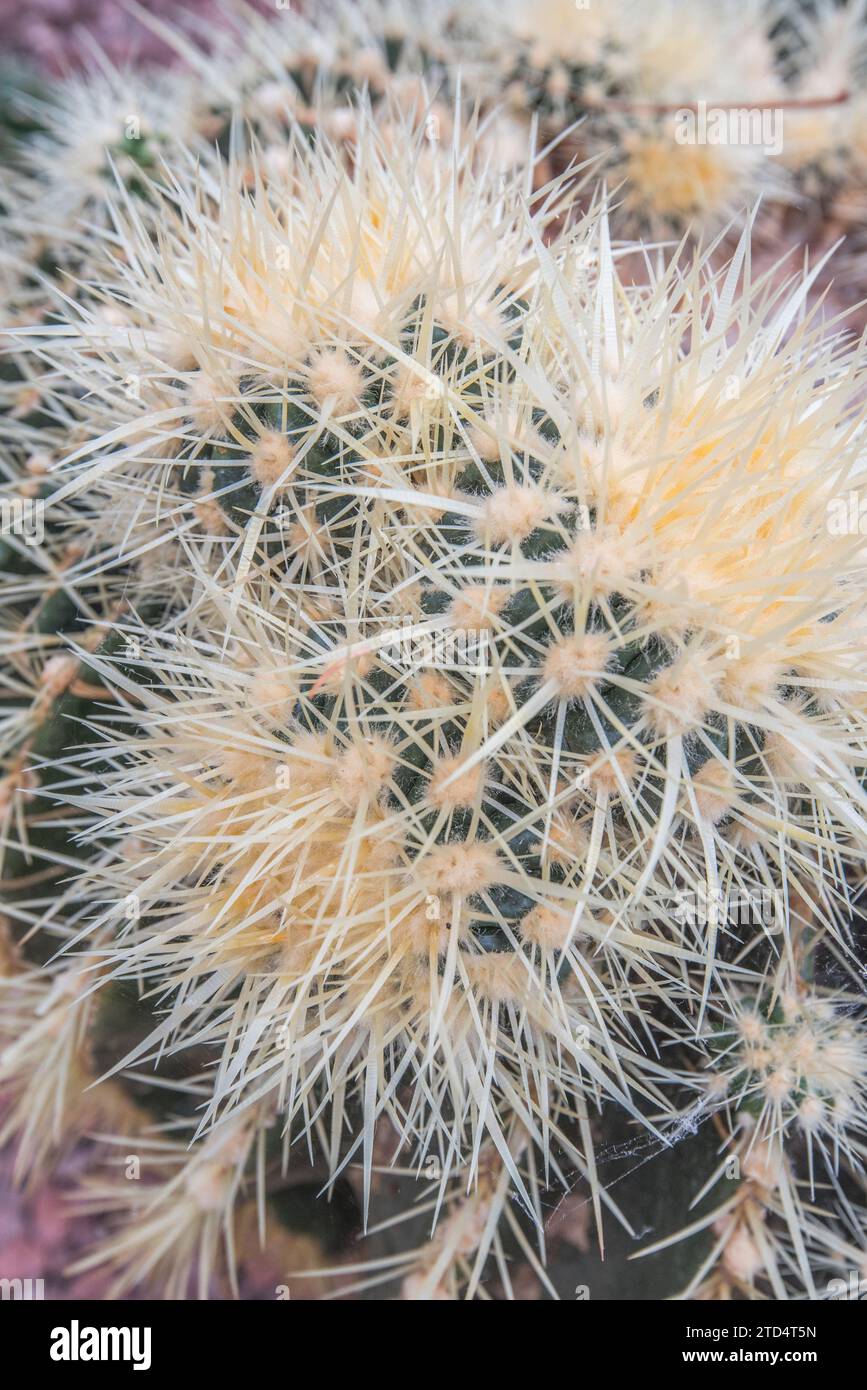
Have you ever met a cactus that looks like it’s wearing a tiny, spiky hat? Meet Gymnocalycium saglionis, affectionately dubbed the “Chin Cactus” for its distinctive, chin-like ribbed structure. This globular marvel isn’t just a pretty face—it’s a resilient survivor with quirks that make it a standout in any succulent collection. But don’t let its rugged charm fool you; beneath those ribbed, reddish-brown spines lies a plant with surprisingly delicate needs. What happens when a desert dweller craves more than just sun and neglect? Let’s dive into the world of Gymnocalycium care and uncover the secrets to keeping this chin-tastic cactus thriving.
The Chin Cactus’s Desert Origins: Understanding Its Natural Habitat
To care for any plant, we must first step into its shoes—or, in this case, its spines. The Chin Cactus hails from the arid, high-altitude regions of Argentina, where it basks in intense sunlight and endures dramatic temperature swings. These conditions have sculpted it into a master of endurance, but they’ve also instilled a few eccentricities. Unlike its more common cousins, the Chin Cactus thrives in well-draining soils that mimic the rocky, mineral-rich substrates of its homeland. It’s a slow grower, preferring to take its time rather than rush toward maturity. This leisurely pace means patience is key—both in its care and in appreciating its gradual transformation from a tiny sprout to a full-fledged, ribbed marvel.
Yet, here’s the twist: while it loves the sun, it’s not a fan of scorching midday rays. In its natural habitat, it often finds shelter under shrubs or rocks, a behavior you’ll want to replicate in cultivation. Too much direct afternoon sun can leave it sunburned, its once-vibrant ribs bleached and lackluster. The challenge? Balancing its need for light with its aversion to overexposure—a delicate dance that separates the thriving Chin Cactus from the crispy one.
Soil and Potting: Crafting the Perfect Cradle for Your Cactus
Imagine trying to grow a tropical orchid in a swamp. It wouldn’t end well, would it? The same principle applies to the Chin Cactus, which demands a soil mix as dry as the desert air it calls home. Standard potting soil is a no-go; it retains too much moisture, inviting root rot to claim your prized plant. Instead, opt for a gritty, airy blend that drains faster than a sieve. A mix of coarse sand, perlite, and a dash of coconut coir or pumice will do the trick, mimicking the rocky, mineral-heavy soils of Argentina’s highlands.
When it comes to potting, think minimalist. A shallow, wide container is ideal, as it prevents water from pooling around the roots. Terracotta pots are a cactus keeper’s best friend—they wick away excess moisture and provide a sturdy foundation for these top-heavy plants. But here’s the kicker: repotting should be a rare event. The Chin Cactus prefers to be slightly root-bound, as this encourages flowering. Only disturb its soil when you notice roots peeking out of the drainage holes, or when the plant has outgrown its pot by at least 25%. And when you do repot, resist the urge to water immediately. Give it a week or two to adjust to its new home before introducing moisture—a simple step that prevents post-repotting stress.
Watering Wisdom: The Art of Quenching (Without Drowning)
Watering a cactus feels like playing a high-stakes game of Goldilocks: too little, and it withers; too much, and it rots. The Chin Cactus is no exception. Its watering needs are a study in moderation, with a dash of unpredictability thrown in. During its active growing season—spring and summer—water deeply but infrequently. The soil should be allowed to dry out completely between waterings, a rule that’s non-negotiable. Stick your finger an inch into the soil; if it’s dry, it’s time to water. If not, hold off. Overwatering is the fastest way to turn your Chin Cactus into a mushy, sad pile of spines.
But here’s where it gets interesting: the Chin Cactus has a dormant period in winter, a time when it slows its growth and conserves energy. During these colder months, watering should be drastically reduced—perhaps once every four to six weeks, or even less if the soil stays dry. The key is to observe, not just follow a schedule. A plant that’s shrinking slightly or developing wrinkles? It might be thirsty. A plant that’s squishy or discolored? It’s definitely overwatered. The challenge lies in resisting the urge to coddle it, especially when it’s not actively growing. Remember, this cactus is a desert dweller at heart—it’s built to survive, not to be babied.
Light and Temperature: Striking the Sunlit Balance
Light is the lifeblood of the Chin Cactus, but like a diva with a strict contract, it demands just the right amount. Bright, indirect light is its sweet spot—think of a sunny windowsill with a sheer curtain filtering the harshest rays. East- or west-facing windows are ideal, offering gentle morning or afternoon sun without the risk of scorching. South-facing windows can work too, but you’ll need to monitor the plant closely for signs of sunburn, such as bleached ribs or a reddish tint that signals stress.
Temperature-wise, the Chin Cactus is a flexible fellow, tolerating a range from 40°F (4°C) to 90°F (32°C). However, it’s not a fan of sudden drops or freezes. If you’re growing it outdoors, bring it inside when temperatures dip below 50°F (10°C). Indoors, avoid placing it near drafty windows or vents, as fluctuating temperatures can stunt its growth or cause bud drop. The real challenge? Mimicking the temperature swings of its natural habitat. A slight drop in nighttime temperatures, even just 10°F (5°C) cooler than daytime highs, can encourage blooming—a secret weapon for those eager to see its delicate, pinkish-white flowers.
Feeding the Chin Cactus: Fertilizer or Foe?
You might think a cactus needs no additional nutrients, but the Chin Cactus begs to differ. While it’s not a heavy feeder, a diluted, balanced fertilizer can give it the boost it needs during its growing season. Opt for a low-nitrogen formula, such as a 5-10-10 or 2-7-7 blend, and dilute it to half strength to avoid overfeeding. Fertilize once a month from spring to early fall, skipping the winter months entirely. Overfertilizing is a silent killer—it can lead to salt buildup in the soil, causing root burn and stunted growth.
The real art lies in observation. A Chin Cactus that’s putting out new spines or showing vibrant color is likely happy with its diet. A plant that’s etiolated (stretched out) or pale? It might need more light or a touch of fertilizer. But here’s the twist: some growers swear by organic amendments like worm castings or compost tea, arguing that they provide a more natural, gentle nourishment. The challenge is finding the right balance—too much, and you risk overwhelming the plant; too little, and it languishes. Experiment cautiously, and always err on the side of less.
Pests and Problems: The Uninvited Guests and Their Remedies
Even the hardiest cactus isn’t immune to pests, and the Chin Cactus is no exception. Mealybugs, scale insects, and spider mites see it as an all-you-can-eat buffet. These tiny invaders can wreak havoc if left unchecked, sapping the plant’s vitality and leaving behind a sticky residue. The key to defense? Vigilance. Inspect your cactus regularly, especially in the crevices between its ribs, where pests love to hide. If you spot any uninvited guests, act fast. A cotton swab dipped in rubbing alcohol can dispatch mealybugs and scale, while a strong spray of water or insecticidal soap can evict spider mites.
But pests aren’t the only foe. Root rot, fungal infections, and etiolation are common pitfalls for the unwary grower. Root rot, the silent assassin, strikes when the soil stays too wet for too long. Fungal infections, often signaled by black or brown spots, thrive in damp conditions. Etiolation, the stretching of the plant toward light, is a sign of insufficient sunlight. The challenge is prevention: proper watering, well-draining soil, and adequate light are your best weapons. If problems arise, isolate the affected plant to prevent spreading, and address the issue promptly. A healthy Chin Cactus is a resilient one—give it the right conditions, and it’ll bounce back with vigor.
Flowering the Chin Cactus: A Reward Worth the Wait
Few sights are as rewarding as a blooming Chin Cactus. Its flowers, delicate and pinkish-white, emerge from the crown like tiny, ephemeral jewels. But flowering isn’t guaranteed—it requires patience, the right conditions, and a bit of luck. Mature plants, typically three to five years old, are more likely to bloom, provided they’ve had a winter rest with cooler temperatures and minimal watering. The flowers themselves are fleeting, lasting only a few days, but their beauty is unforgettable.
The real secret to encouraging blooms? Mimicking the plant’s natural cycle. A winter rest period is crucial, as it simulates the dry, cool months of its native habitat. Reduce watering, keep temperatures slightly cooler, and avoid fertilizing. Then, in spring, resume regular care and watch for signs of new growth. If you’re lucky, you’ll be rewarded with a floral display that’s as unexpected as it is breathtaking. The challenge lies in resisting the urge to overcare for the plant during its dormant period—sometimes, less really is more.
Final Thoughts: Embracing the Chin Cactus’s Quirks
The Gymnocalycium saglionis is more than just a spiky ornament—it’s a living testament to the beauty of adaptation. Its ribbed form, its slow-growing nature, and its delicate flowers all tell a story of survival in harsh conditions. Caring for it isn’t about bending to its needs; it’s about understanding them and creating an environment where it can thrive on its own terms. It’s a plant that rewards patience, observation, and a willingness to learn its language.
So, if you’re ready to welcome a Chin Cactus into your home, remember: it’s not just about sun and neglect. It’s about balance. It’s about respecting its rhythms and giving it the space to be itself. And when those flowers finally appear, you’ll know you’ve done something right—not just for the plant, but for the joy it brings to your space. After all, isn’t that what gardening is all about?


Leave a Reply