
Short Answer
There’s something almost mystical about cacti—their stoic resilience, their silent endurance in the harshest of environments, the way they store life’s essence in succulent stems. Yet, even these desert sentinels are not impervious to the unseen. Beneath their spiny armor, a world of tiny invaders thrives, often undetected until the damage is done. These are the common cactus pests, the silent saboteurs that can turn a thriving specimen into a withered relic. But fear not. With vigilance and knowledge, you can protect your prickly companions and restore their vitality. Let’s embark on a journey into the hidden battles fought on every spine and segment of your cactus.
The Sneaky Spider Mite: A Web of Deception
Tiny as grains of sand, spider mites are the ninjas of the cactus world. They weave their silken webs across areoles and spines, often going unnoticed until yellow stippling appears on the plant’s surface. These arachnids thrive in hot, dry conditions—the very environment many cacti adore. Their piercing mouthparts suck chlorophyll from the plant, leaving behind a ghostly pallor. To spot them, hold a sheet of white paper beneath the cactus and gently tap the spines. If reddish-brown specks scatter like flecks of rust, you’ve found your culprits. Treat with a forceful spray of water to dislodge their webs, followed by a thorough application of neem oil or insecticidal soap. Repeat weekly to break their life cycle.
Scale Insects: The Armored Parasites
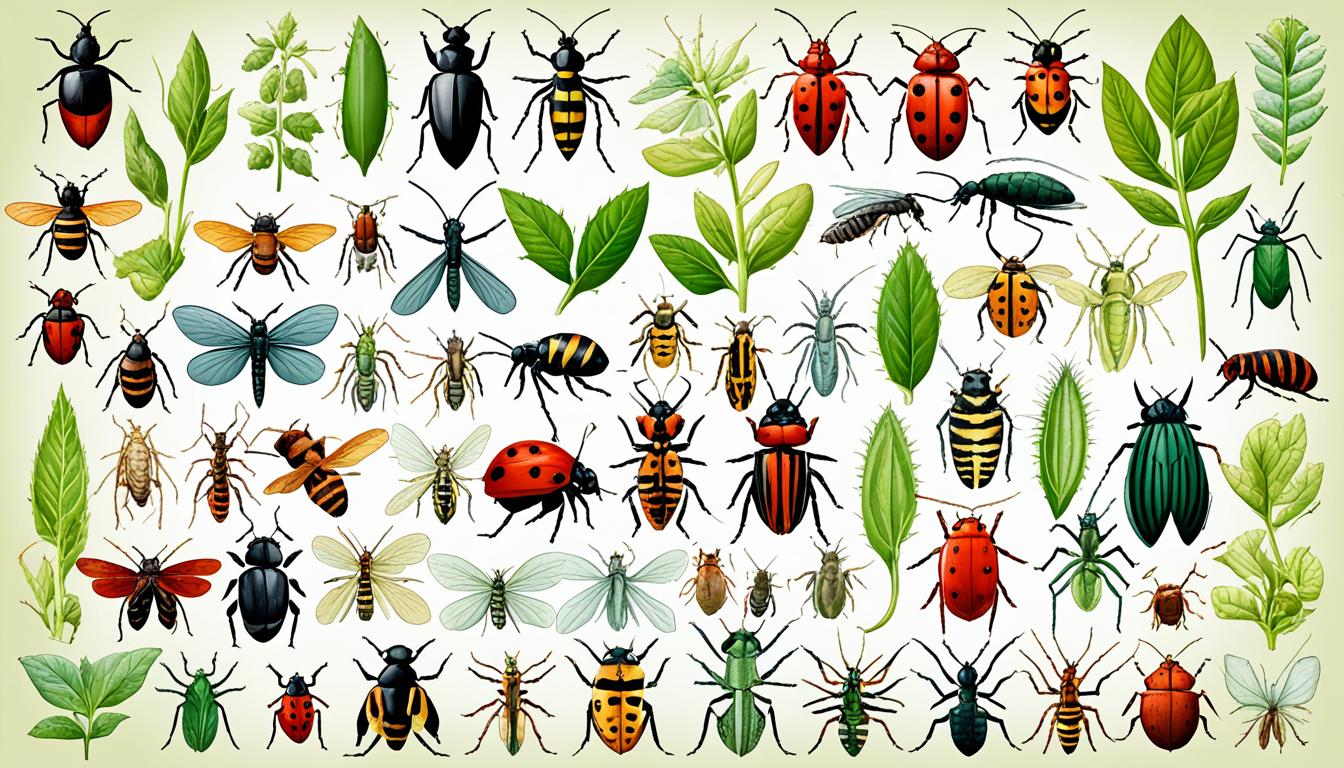
Scale insects are the armored knights of the pest world—encased in waxy, shell-like coverings that make them nearly impervious to casual inspection. They cling to cactus ribs and joints, siphoning sap with the relentless persistence of a medieval siege. Left unchecked, they secrete sticky honeydew, which fosters sooty mold and attracts ants. To evict them, use a soft toothbrush dipped in rubbing alcohol to gently scrub each scale. For severe infestations, apply horticultural oil during the dormant season when the cactus is less stressed. Prevention is key: isolate new plants and inspect them thoroughly before introducing them to your collection.
Mealybugs: Cottony Colonizers of Chaos
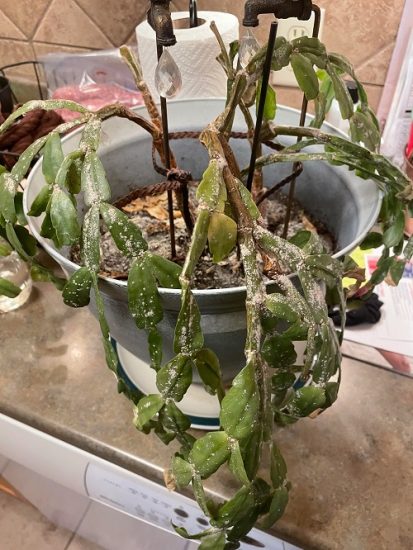
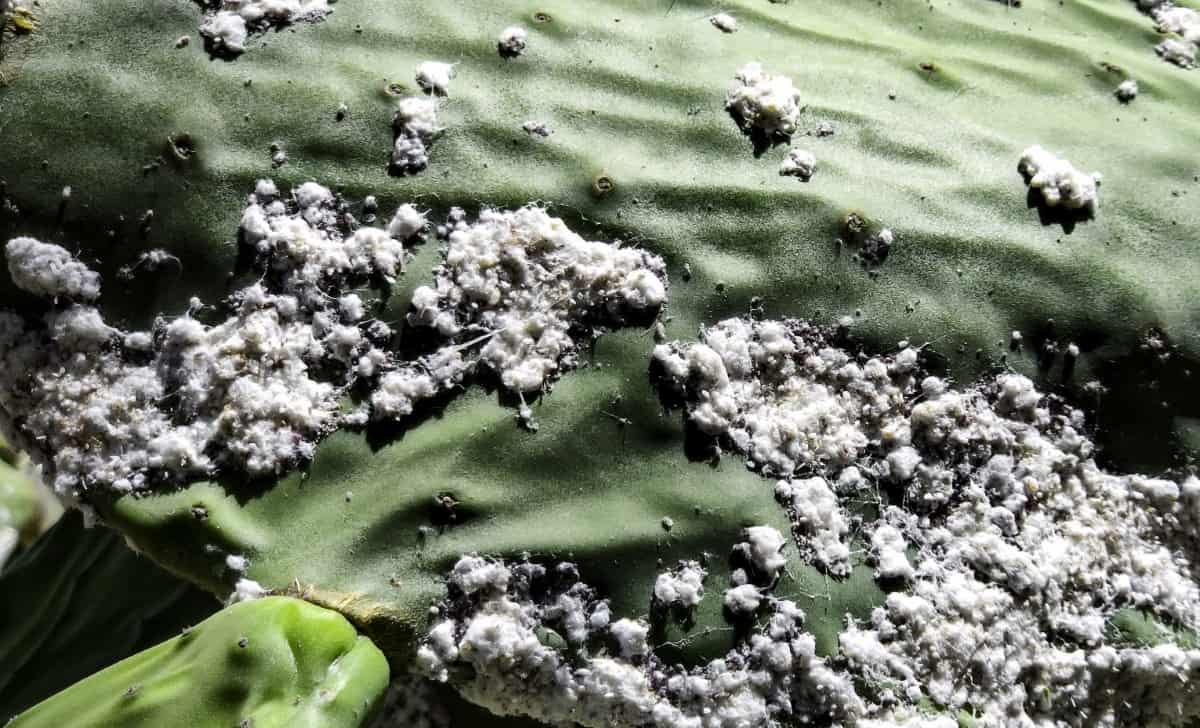
Mealybugs are the fluffy, cottony marauders that love to nestle in the crevices of ribbed cacti like the Christmas cactus. Their white, waxy filaments camouflage them against the plant, but their presence is betrayed by a cottony residue and stunted growth. These pests excrete copious amounts of honeydew, which can lead to black, velvety mold that smothers the plant’s ability to photosynthesize. Combat them with a cotton swab soaked in isopropyl alcohol, targeting each cluster. For widespread infestations, systemic insecticides like imidacloprid can be effective, but use them judiciously to avoid harming beneficial insects.
Fungus Gnats: The Soil-Dwelling Nuisance
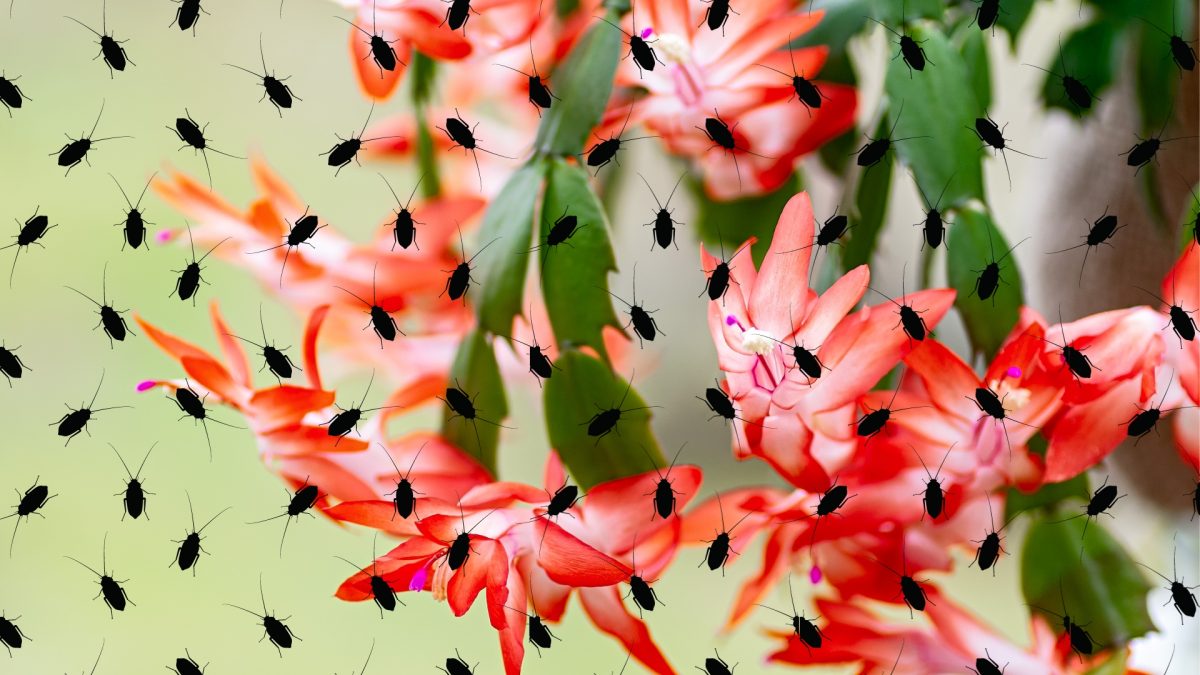
Though they rarely attack the cactus itself, fungus gnats are the unwelcome guests that thrive in overly moist soil—a condition many cacti despise but are often subjected to. Their larvae feed on organic matter and fine roots, stunting growth and inviting root rot. Adult gnats flutter about the plant, a sign of excess moisture and poor drainage. To evict them, let the soil dry out completely between waterings. Top-dress with a layer of sand or gravel to deter egg-laying, and use yellow sticky traps to catch adults. For severe cases, apply a biological control like Bacillus thuringiensis var. israelensis (Bti) to the soil.
Root-Knot Nematodes: The Underground Saboteurs
These microscopic worms are the silent assassins of the cactus world, burrowing into roots and forming grotesque galls that disrupt water and nutrient uptake. Infected plants often show stunted growth, yellowing, and a general decline in vigor. Nematodes are difficult to detect until damage is severe. Prevention is paramount: use sterilized soil, avoid overwatering, and quarantine new plants. If an infestation is confirmed, remove the plant and soil immediately. Solarization—covering infested soil with clear plastic in hot weather—can help kill nematodes, but it’s a last resort.
Thrips: The Streak-Causing Streakers
Thrips are slender, fast-moving insects that scrape plant tissue and leave behind silvery streaks or tiny black fecal spots. They particularly target flowering cacti, where they feed on buds and petals, causing malformed blooms. These pests are elusive, often hiding in tight spaces between spines. To control them, use blue sticky traps to monitor their presence, then apply insecticidal soap or spinosad. Regularly inspect flowers and buds, as thrips can hitch a ride on new growth.
Cochineal Insects: The Crimson Invaders
Cochineal insects are the dramatic, crimson-hued pests that target prickly pear and other flat-stemmed cacti. They secrete a bright red dye, historically used as a natural pigment, but their feeding weakens the plant and promotes sooty mold. To remove them, use a jet of water to blast them off, or apply a solution of insecticidal soap. In some cases, introducing ladybugs or lacewings can provide natural control.
Preventive Vigilance: The Art of Cactus Stewardship
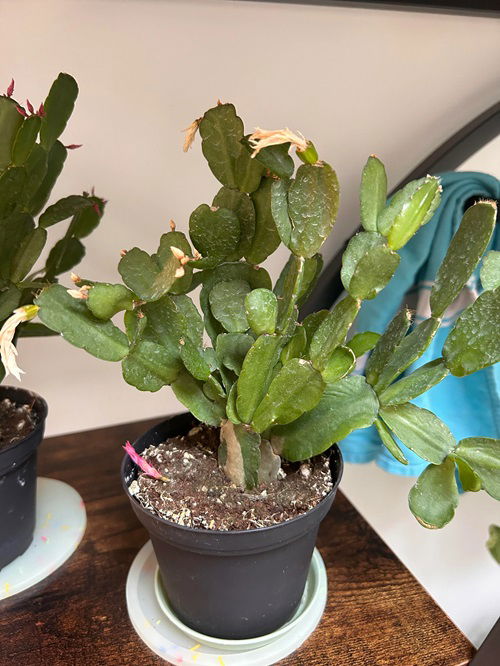
Protecting your cactus from pests begins long before the first sign of trouble. Start with proper cultural practices: ensure adequate light, minimal water, and excellent drainage. Quarantine new plants for at least two weeks, observing them closely for hitchhikers. Regularly wipe down spines and stems with a damp cloth to remove dust and potential pests. Rotate your plants occasionally to inspect all sides, and keep your growing area clean and clutter-free. Remember, a healthy cactus is the best defense against pests—its thick epidermis and robust constitution make it far less appealing to invaders.
Restoration: Reviving Your Cactus After an Infestation
If your cactus has succumbed to pests, don’t lose hope. Begin by isolating the plant to prevent spread. Prune away heavily infested areas with sterilized tools, and repot the cactus in fresh, sterile soil if necessary. Apply treatments methodically, and monitor progress closely. It may take weeks or even months for the plant to fully recover, but with patience and care, resilience will return. Witnessing a cactus rebound from adversity is a testament to nature’s tenacity—and a reminder of why we’re drawn to these extraordinary plants in the first place.
FAQ
What are the common pests that affect cacti?
Common cactus pests include spider mites, scale insects, mealybugs, fungus gnats, root-knot nematodes, thrips, and cochineal insects.
How can I identify pests on my cactus?
To identify pests, look for signs such as webbing, sticky residue, discoloration, or stunted growth. Use a white paper to catch tiny pests like spider mites.
What are effective treatments for cactus pests?
Treatments include neem oil, insecticidal soap, rubbing alcohol, and maintaining proper cultural practices like adequate drainage and light.


Leave a Reply