
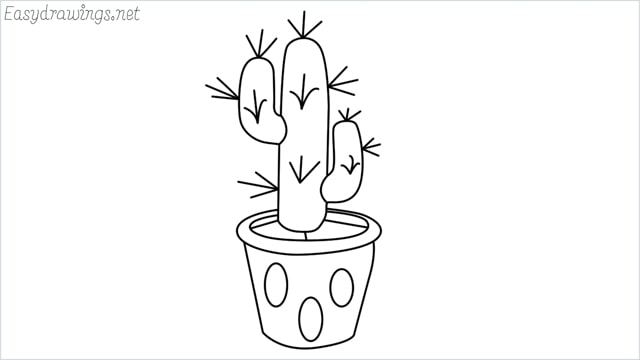
Short Answer
There’s something quietly rebellious about drawing a cactus—this prickly, resilient plant that thrives where others wither. It’s no wonder that artists, from novices to seasoned creators, are drawn to its geometric simplicity and defiant charm. A cactus doesn’t ask for permission to flourish; it just does, with spines that dare you to touch it. Perhaps that’s why learning to draw one feels like a small act of empowerment. In this guide, we’ll peel back the layers of this desert icon, revealing not just its form but the deeper fascination it holds for those who pick up a pencil.
The Allure of the Prickly: Why Cacti Captivate Artists
Cacti are the unapologetic survivors of the plant kingdom. Their stark silhouettes against sunbaked horizons, their defiance of conventional beauty, and their ability to store life in the most arid of places make them irresistibly compelling. For artists, they offer a paradox: a subject that is both simple and infinitely nuanced. A single saguaro can evoke the vastness of the American Southwest, while a cluster of smaller cacti might whisper of hidden ecosystems teeming with life. This duality—between harshness and tenderness—is what makes drawing them so rewarding. It’s not just about replicating spines and ribs; it’s about capturing the essence of resilience in every stroke.
Consider the contrast between a cactus and more traditionally “pretty” subjects like roses or tulips. Where flowers often symbolize fragility, cacti embody endurance. They don’t wilt under pressure; they flourish. This resilience resonates deeply, especially in a world where adaptability is often romanticized. Drawing a cactus, then, becomes a metaphorical exercise—a way to internalize the idea that beauty doesn’t require softness. It can be sharp, unyielding, and still breathtaking.
Gathering Your Arsenal: Tools for the Aspiring Cactus Artist
Before you embark on your prickly journey, arm yourself with the right tools. The beauty of drawing a cactus lies in its accessibility; you don’t need a studio full of expensive supplies to capture its essence. Start with a graphite pencil—HB for sketching and 2B for shading—paired with a kneaded eraser, which allows for gentle corrections without damaging the paper. A blending stump or tortillon will help you soften shadows, while a fine liner or ink pen can define those signature spines with precision.
Paper choice matters, too. A textured, medium-weight paper (around 120–140 gsm) provides enough tooth to grip the graphite, preventing smudging while allowing for layered shading. If you’re feeling experimental, try toned paper; the subtle beige or gray background can make your cactus pop with minimal effort. And don’t underestimate the power of a good pencil sharpener—nothing disrupts the flow of creativity like a dull point.
For those who prefer digital tools, a graphics tablet with pressure sensitivity can mimic the organic feel of traditional media. Programs like Procreate or Photoshop offer brushes that replicate pencil strokes, allowing you to experiment with textures and effects without the mess. Whether analog or digital, the key is to choose tools that feel intuitive. After all, the goal isn’t perfection—it’s connection.
Breaking Down the Cactus: Anatomy of a Desert Icon
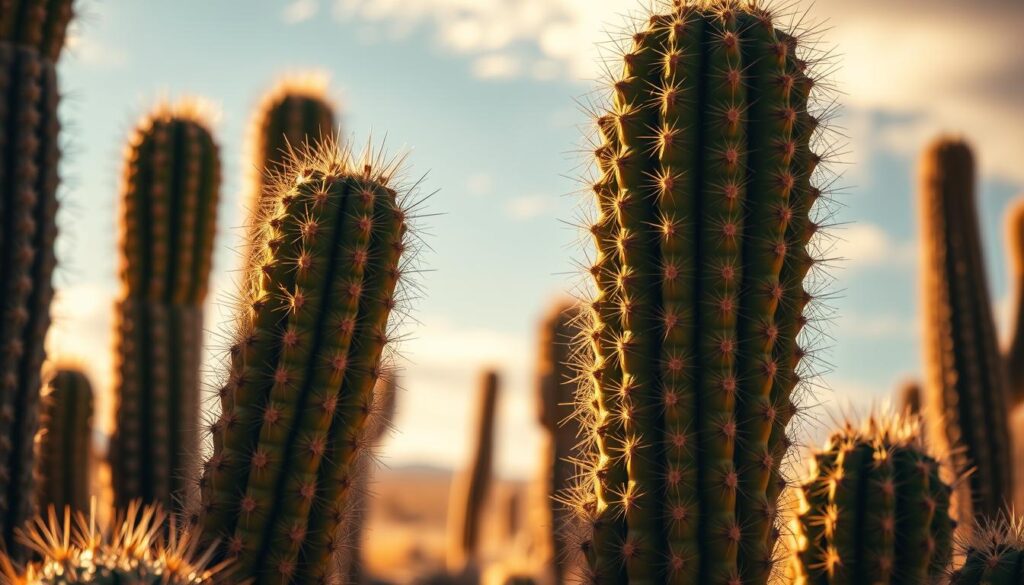
A cactus is a study in contradictions: soft yet armored, simple yet complex. To draw one convincingly, you must first understand its structure. Start with the ribs—the vertical ridges that run along the body of many cactus species, like the saguaro. These ribs aren’t just decorative; they’re a survival mechanism, allowing the plant to expand and contract with water intake. When sketching, treat these ribs as gentle guidelines, not rigid lines. They should curve organically, mimicking the plant’s natural growth.
Next, consider the areoles—the small, woolly spots from which spines, flowers, and new growth emerge. These are the cactus’s “growth nodes,” and their placement is crucial. Observe how they spiral up the ribs in a Fibonacci sequence, a mathematical pattern found throughout nature. This isn’t just trivia; it’s the key to making your drawing feel alive. Sketch these areoles lightly at first, then build up the spines radiating from them. Spines vary wildly between species—some are needle-thin, others broad and flat—so study your reference closely. The goal isn’t to replicate every spine perfectly but to capture the rhythm of their arrangement.
Finally, don’t forget the base. Many cacti flare outward at the bottom, grounding them in the soil. This detail adds stability to your drawing, preventing it from looking like it’s floating. Pay attention to the shadows cast by the ribs and spines, as these will define the cactus’s three-dimensional form. A well-placed shadow can turn a flat shape into a living, breathing organism.
From Sketch to Masterpiece: A Step-by-Step Blueprint
Now, let’s roll up our sleeves and dive into the process. Begin with a light, gestural sketch to map out the cactus’s overall shape. Use simple ovals and cylinders to block in the main body, then refine the ribs and areoles. Remember: this is a rough draft. Perfection comes later.
Once you’re satisfied with the proportions, darken the key lines—the outline of the body, the ribs, and the areoles. Here’s where the magic happens: layering. Start with a base tone, then gradually build up shadows in the crevices between ribs. Use your blending stump to soften the transitions, creating a sense of depth. For the spines, vary their length and thickness to avoid a repetitive, robotic look. Some should cast tiny shadows on the body, reinforcing the illusion of dimension.
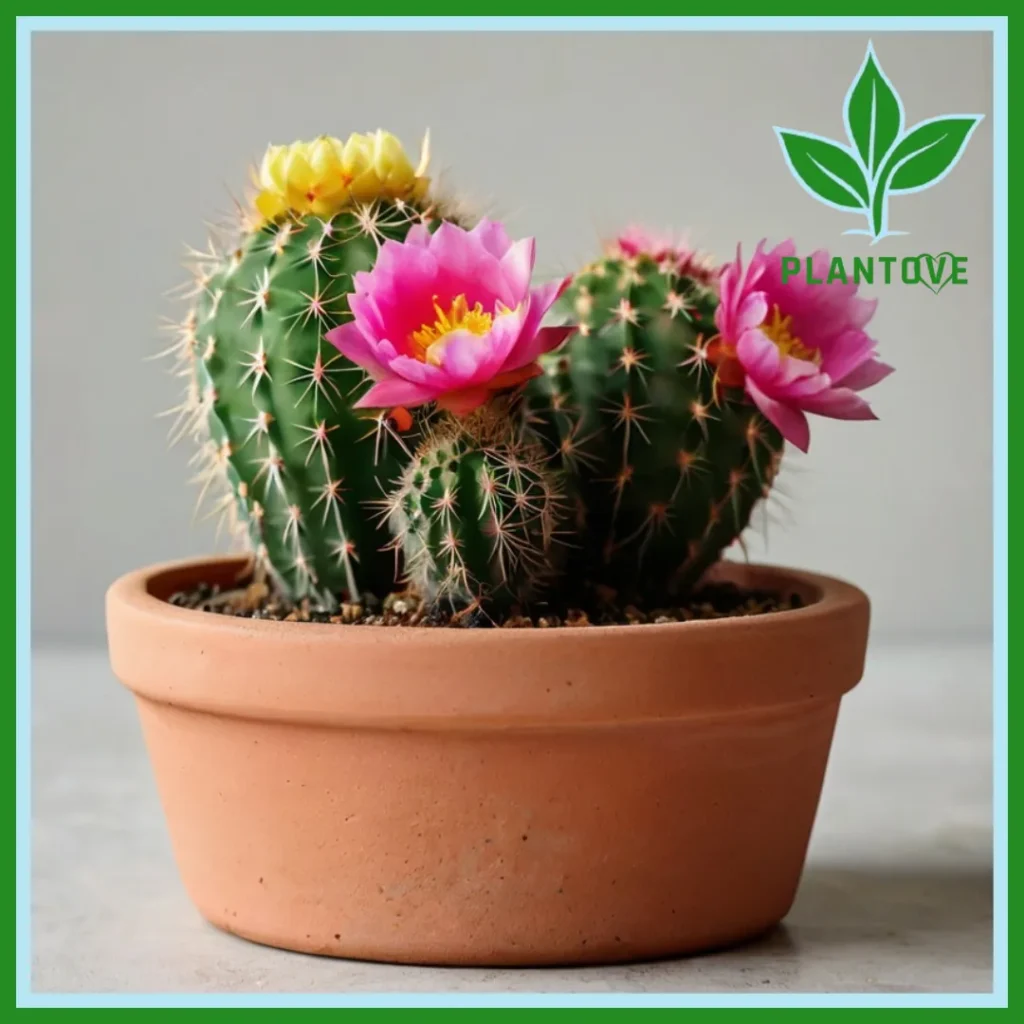
If your cactus has flowers or fruit, treat them as secondary focal points. Sketch them lightly at first, then add details like petals or buds. Flowers on cacti are often vibrant and ephemeral, so use bold colors if you’re working traditionally, or layer translucent glazes if digitally. The contrast between the cactus’s muted tones and the flowers’ brightness will draw the eye and add dynamism to your piece.
Finally, step back and assess. Does your cactus feel grounded? Do the spines have direction, as if they’re reaching for the sun? If something feels off, don’t hesitate to erase and adjust. Drawing is iterative—each stroke is a conversation between you and the subject.
The Psychology of Prickles: What Your Cactus Says About You
Here’s a thought: the way you draw a cactus might reveal more about you than you realize. Do you obsess over every spine, laboring to make them symmetrical? That could hint at a desire for control in your creative process. Or perhaps you embrace the chaos, letting your lines wander freely—maybe you’re someone who thrives in spontaneity. The cactus, with its dual nature of order and wildness, becomes a mirror for your own artistic psyche.
Artists who gravitate toward cacti often share a few traits: patience, adaptability, and a quiet strength. They’re the kind of people who see beauty in the unconventional, who find joy in the process rather than the outcome. Drawing a cactus isn’t just about mastering a subject; it’s about embracing the prickles along the way. Every smudged line, every erased rib, is a testament to the journey—not just of the artist, but of the cactus itself.
Beyond the Basics: Pushing Your Cactus Art Further
Once you’ve nailed the fundamentals, it’s time to play. Try drawing a cactus in different styles—minimalist line art, hyper-realistic shading, or even cartoonish exaggeration. Experiment with backgrounds: a desert sunset, a cozy windowsill, or an abstract swirl of colors. The cactus is a versatile muse; it can adapt to any artistic vision.
Consider exploring cactus diversity. The world is home to over 2,000 species, each with its own personality. A barrel cactus is stout and cheerful, while an old-man cactus looks like it’s wearing a shaggy beard. Drawing them all will expand your artistic vocabulary and deepen your appreciation for these desert dwellers.
Finally, share your work. Art thrives in community, and there’s no better way to grow than by putting your cactus out into the world. Whether you post it online, gift it to a friend, or frame it for your wall, your drawing becomes a tiny rebellion—a celebration of resilience, creativity, and the beauty of the unconventional.

Leave a Reply