
Short Answer
In the arid tapestry of the desert, where life clings to the thinnest threads of existence, the Ariocarpus genus stands as a testament to botanical tenacity. These cacti, often dismissed as mere geological oddities, are in fact living sculptures of resilience, their blooms unfurling like ephemeral jewels in a sun-scorched crown. Encouraging these elusive flowers to reveal themselves is not merely a horticultural endeavor—it is a dance with patience, a dialogue with the rhythms of nature, and a celebration of the extraordinary hidden within the ordinary. For those who seek to coax these botanical enigmas into full, radiant display, the journey is as rewarding as the destination.
The Art of Mimicking the Wild: Recreating Ariocarpus’ Native Habitat
To awaken the dormant potential of an Ariocarpus is to first understand the crucible in which it was forged. These cacti hail from the limestone crevices and gypsum-rich soils of Mexico’s Chihuahuan Desert, where the earth is as parched as it is mineral-rich. The soil must be a masterpiece of aeration and drainage, a blend of coarse sand, perlite, and a whisper of organic matter—no more than a tenth of the mix—to prevent the suffocating embrace of moisture. Think of it not as soil, but as a geological sieve, filtering out the excess while cradling the roots in a breathable embrace. The container, too, must be a vessel of constraint, a terracotta pot with unglazed sides that whisper to the plant of the arid world beyond. Overwatering is the silent assassin; these cacti thrive on neglect, their roots reviving only when the soil has surrendered to the desert’s dry spell.
Light: The Elixir of Floral Alchemy
Sunlight is not merely a necessity for Ariocarpus—it is the very catalyst of its floral transmutation. These cacti are sun-worshippers, their bodies sculpted by the relentless gaze of the desert sun. A south-facing window or a greenhouse bathed in unfiltered light is their sanctuary. Yet, the transition must be gradual, a slow acclimation to avoid the botanical equivalent of a sunburn. Begin with dappled shade, then incrementally increase exposure, allowing the plant to harden like a warrior’s skin. In the absence of natural light, artificial grow lights must step in, their spectrum tuned to the wavelengths that coax chlorophyll into action. Without this radiant nourishment, the Ariocarpus remains a prisoner of its own potential, its blooms forever latent.
The Subtle Science of Temperature and Seasonal Rhythms
Nature does not rush, yet she is never idle. Ariocarpus, too, dances to the metronome of the seasons. A winter chill—cool but never freezing—is essential to break the cycle of vegetative dormancy. This period of rest, mimicking the desert’s cooler months, signals to the plant that the time for blooming is nigh. A consistent drop to 50–55°F (10–13°C) for 6–8 weeks will prompt the cactus to shift gears, its internal clock ticking toward floral revelation. Conversely, the return of warmth must be gradual, a gentle awakening rather than a jarring start. Sudden heat shocks the system, sending the plant into a state of shock rather than stimulation. The key lies in patience, in allowing the Ariocarpus to feel the pulse of the seasons before it unfurls its petals.
Nutrition: The Delicate Balance of Sparse Fertilization
Fertilizer is a double-edged sword for the Ariocarpus. Too much, and the roots burn; too little, and the plant starves. The solution lies in a diluted, balanced formula—think of it as a light broth rather than a hearty stew—applied sparingly during the growing season. A half-strength dose of a low-nitrogen fertilizer, every 4–6 weeks, is ample to nourish without overwhelming. Nitrogen, the harbinger of leafy exuberance, is the enemy here; it must be kept in check, lest the plant channel its energy into foliage rather than flowers. Phosphorus and potassium, the architects of bloom, should take center stage in the feeding regimen. Remember, in the desert, excess is a luxury few can afford.
The Psychological Warfare of Patience and Observation
To cultivate Ariocarpus is to embark on a psychological odyssey. These cacti are not merely plants; they are enigmas wrapped in thorny shrouds, their blooms arriving only when they deem the time is right. The cultivator’s role is not to demand, but to observe—to notice the subtle shifts in color, the firmness of the body, the readiness of the areoles. A mature Ariocarpus, typically 5–10 years old, is the most likely to bloom, its years of silent growth culminating in a single, spectacular flourish. The wait is not passive; it is an active engagement with the plant’s lifecycle. Each watering, each adjustment of light, each check of the thermometer is a conversation, a silent negotiation between human and flora. The blooms, when they come, are not just flowers—they are the plant’s whispered secrets, finally given voice.
The Unseen Allies: Mycorrhizal Fungi and Beneficial Microbes
Beneath the soil’s surface, an invisible ecosystem thrives, a network of mycorrhizal fungi and beneficial microbes that form symbiotic alliances with the Ariocarpus. These tiny partners extend the plant’s reach, enhancing nutrient absorption and bolstering root health. Introducing a mycorrhizal inoculant to the soil can tip the scales in favor of robust growth and, ultimately, flowering. Think of these microbes as the plant’s unseen allies, their threads weaving through the substrate like a subterranean internet, relaying messages of sustenance and support. Without them, the Ariocarpus is a lone warrior; with them, it becomes part of a thriving community, its roots fortified against the stresses of its environment.
The Reward: A Bloom That Defies Expectations
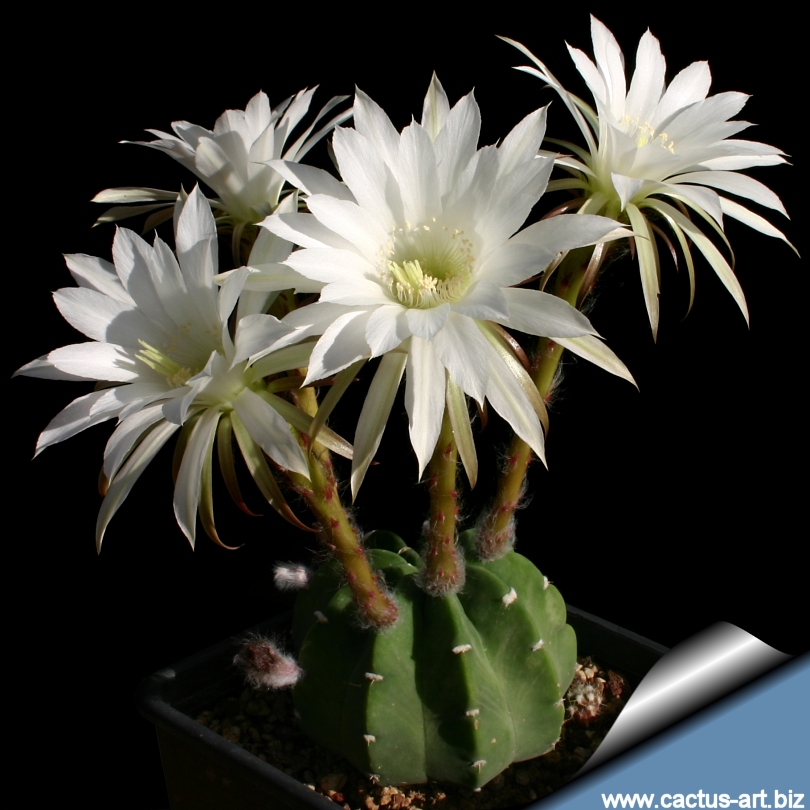
When the moment arrives, and the Ariocarpus finally reveals its floral masterpiece, it is nothing short of a botanical revelation. The blooms—often small, jewel-toned, and intricately patterned—emerge like tiny constellations against the stark backdrop of the cactus’s body. Each petal is a work of art, its edges delicate as parchment, its hues ranging from soft lavender to fiery magenta. The scent, if present, is a fleeting whisper, a hint of vanilla or spice that lingers in the air before vanishing as swiftly as it came. To witness this spectacle is to understand the quiet power of resilience, the beauty of persistence. The Ariocarpus does not bloom for the world; it blooms for itself, a private celebration of life’s tenacity. And in that moment, the cultivator is not just a gardener—they are a witness to a miracle.
FAQ
What type of soil is best for Ariocarpus?
Ariocarpus thrives in a well-draining soil mix of coarse sand and perlite, with minimal organic matter.
How much sunlight does Ariocarpus need?
Ariocarpus requires full sunlight, and it should be acclimated gradually to prevent sunburn.
What temperature is ideal for Ariocarpus flowering?
Ariocarpus needs a winter chill of 50–55°F (10–13°C) to encourage blooming.

Leave a Reply