
Short Answer
Imagine a cactus so vibrant, so full of character, that it doesn’t just sit in a pot—it *commands* attention. The Parodia, with its spherical form and radiant spines, is one such botanical marvel. But even the most resilient plants need a change of scenery now and then. Repotting isn’t just a chore; it’s a rite of passage—a chance to nurture growth, both in the plant and in your own gardening prowess. If you’ve ever hesitated before plunging your hands into the soil, wondering if you’re doing it right, this guide is your manifesto. Let’s embark on a journey to redefine what it means to repot a Parodia, not as a task, but as an act of devotion to nature’s most tenacious survivors.
The Prelude: Why Repotting Isn’t Just About Space
Repotting a Parodia isn’t merely about upgrading its real estate. It’s about recalibrating its entire existence. These cacti, native to the arid landscapes of South America, thrive in conditions that mimic their natural habitat—well-draining soil, ample sunlight, and, crucially, the freedom to stretch their roots. Over time, the soil in their pots becomes depleted, compacted, or even hostile, choked by salts and organic debris. Ignoring this is like asking a marathon runner to compete in shoes two sizes too small. The Parodia’s spines may look indomitable, but beneath the surface, its roots are whispering for relief. Repotting is your response to that plea—a promise to restore balance.
Gathering Your Arsenal: Tools of the Trade
Before you begin, arm yourself with more than just enthusiasm. A terracotta pot, preferably unglazed, is ideal—its porous nature mimics the Parodia’s native environment, allowing excess moisture to evaporate. Pair it with a gritty, fast-draining soil mix, perhaps a blend of cactus soil, perlite, and coarse sand. Don’t forget the essentials: a pair of sturdy tongs or thick gloves (those spines are no joke), a trowel, and a spray bottle filled with water. Think of these tools as your cactus’s knights in shining armor, ready to defend it from the perils of root rot and suffocation.
The Delicate Extraction: Coaxing Your Parodia from Its Home
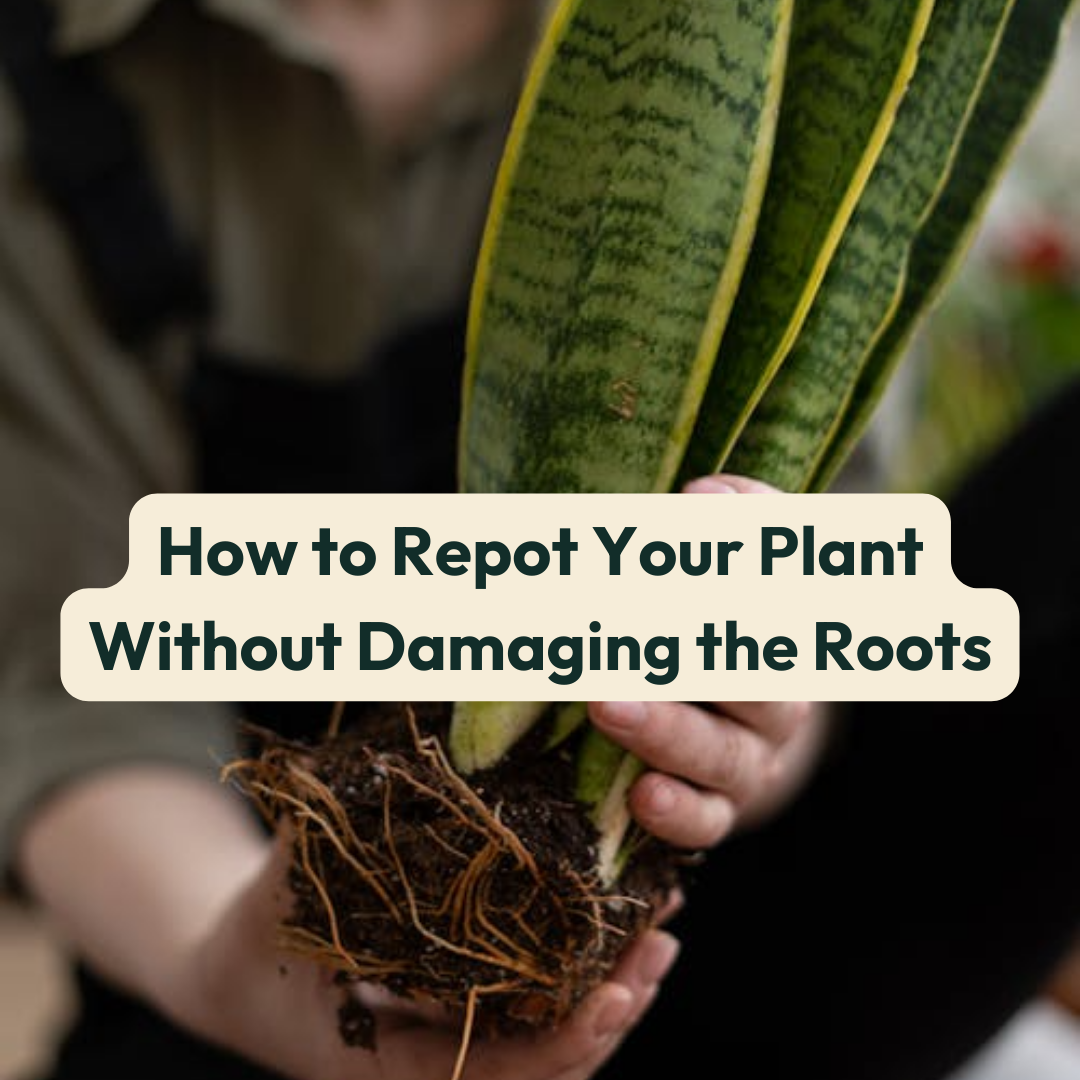
Here’s where patience becomes your greatest ally. Gently tap the sides of the pot to loosen the soil, then tilt it at a 45-degree angle. If the Parodia resists, don’t yank—coax. Slide a trowel or your gloved hand along the inner rim of the pot, creating space for air to enter. The goal isn’t to wrestle the plant free but to persuade it, as if negotiating with a stubborn but beloved friend. Once it’s out, resist the urge to shake off the old soil aggressively. Instead, use your fingers to massage the roots lightly, dislodging only what comes away effortlessly. This isn’t a root canal; it’s a spa day for your cactus.
Root Inspection: The Silent Conversation
Now, the moment of truth. Lay the Parodia on a clean surface and examine its roots. Healthy roots are firm and white or tan, while mushy or blackened ones signal distress. Trim any dead or rotting roots with sterilized scissors, making clean cuts to prevent infection. If the roots are circling the pot like a maze, it’s time to tease them apart gently. This isn’t just about aesthetics; it’s about encouraging the Parodia to explore new territory. Think of it as a plant version of a midlife crisis—time to spread its wings, metaphorically speaking.
The Grand Rehousing: A Fresh Start in a New Abode
Place a layer of your prepared soil mix at the bottom of the new pot, ensuring it’s deep enough to support the Parodia at the same level it was in its old home. Position the plant gently, then fill in the gaps with soil, pressing lightly to secure it. Avoid compacting the soil too much; Parodias, like all cacti, need breathing room. Leave a small gap at the top to allow water to reach the roots without spilling over the edges. It’s a delicate balance—support without suffocation.
The Aftercare Ritual: Nurturing the Transition
Repotting is a shock to the system, no matter how gentle you’ve been. For the first week, keep your Parodia in a shaded spot, away from direct sunlight. Water sparingly—just enough to moisten the soil without drowning it. Over the next few weeks, reintroduce it to its usual light conditions gradually. Watch for signs of stress: wrinkled skin, discoloration, or a refusal to perk up. These are your Parodia’s way of saying, “I need time.” Respect that. In a few weeks, it will reward your patience with renewed vigor, its spines standing taller, its colors more vibrant than ever.
The Bigger Picture: Why This Matters
Repotting a Parodia is more than a gardening task; it’s a metaphor for resilience. It teaches us to recognize when something—or someone—needs space to grow. It reminds us that even the toughest exteriors hide delicate interiors, deserving of care and attention. As you tend to your Parodia, you’re not just nurturing a plant. You’re cultivating a mindset of patience, observation, and adaptability. And who knows? The skills you hone here might just inspire you to approach other challenges in your life with the same thoughtful determination.
FAQ
Why is repotting important for Parodia cacti?
Repotting refreshes the soil, prevents root crowding, and provides nutrients essential for growth.
What tools do I need to repot a Parodia?
Terracotta pot, gritty soil mix, gloves or tongs, trowel, and a spray bottle.
How should I care for my Parodia after repotting?
Keep it in shaded conditions, water sparingly, and gradually reintroduce sunlight.
Leave a Reply