

Short Answer
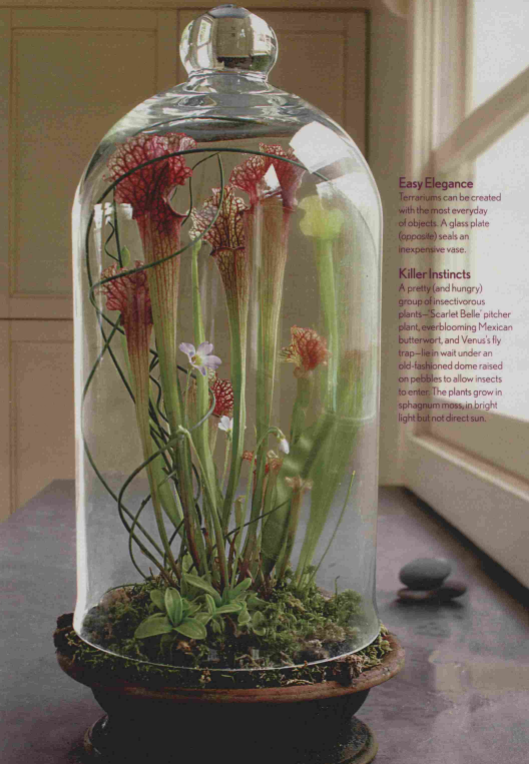
Imagine a world where your living room transforms into a lush, self-sustaining microcosm—a verdant sanctuary where tiny ecosystems thrive in glass enclosures, defying the limitations of space. Terrariums, those miniature gardens encased in glass, are not just decorative novelties; they are a testament to nature’s resilience and humanity’s ingenuity. Among the myriad of plants that can flourish in these confined spaces, parodia—a genus of cacti known for their vibrant blooms and compact forms—emerges as a star performer. These spiky wonders, often overlooked in favor of more conventional terrarium plants, hold the potential to revolutionize small-space gardening. Let’s delve into the art of incorporating parodia into terrariums, unlocking a world where arid beauty meets indoor greenery.
The Allure of Parodia: Why These Cacti Belong in Your Terrarium
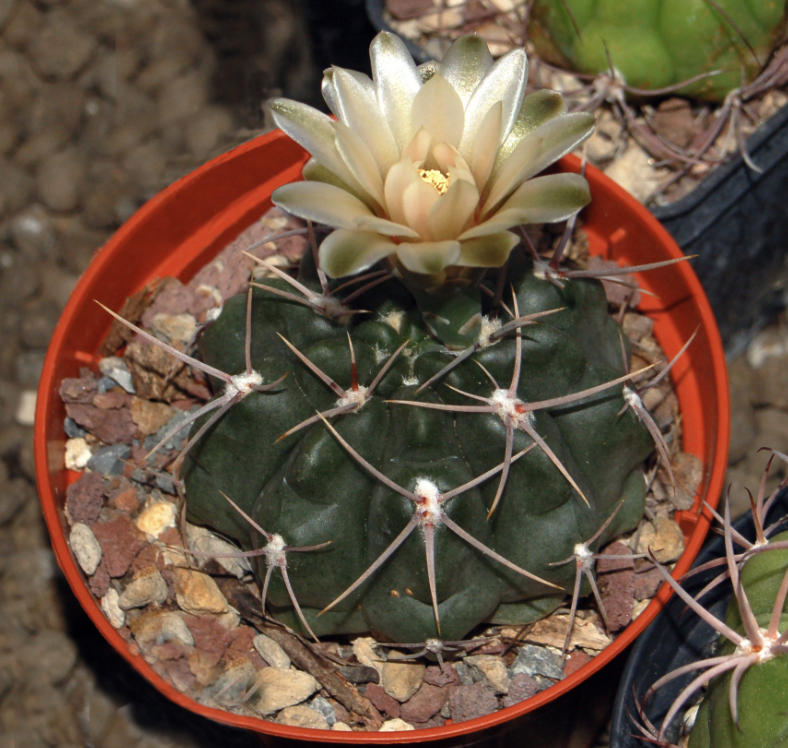
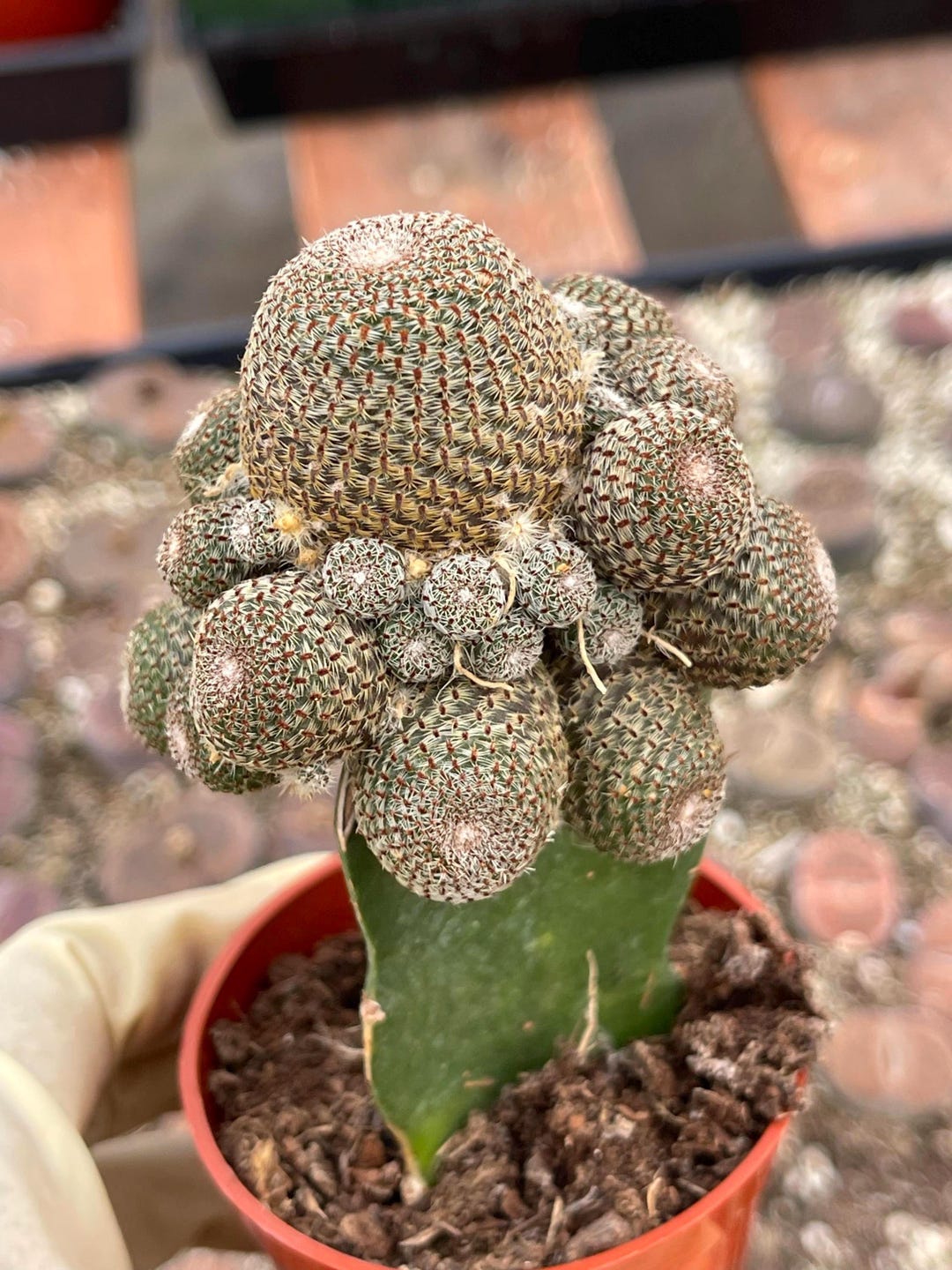
Parodia cacti, native to the arid regions of South America, are a study in paradox: their diminutive stature belies their striking presence. With ribbed, globular bodies and crowns of vivid flowers, they bring a touch of the desert’s rugged elegance to any indoor setting. Unlike their sprawling, jungle-dwelling counterparts, parodia thrives in the confined quarters of a terrarium, where their slow growth and modest water needs make them ideal companions. Their ability to store water in their fleshy stems allows them to endure the sporadic hydration typical of closed ecosystems, making them a low-maintenance yet visually captivating choice. For those yearning to cultivate a terrarium that balances beauty with practicality, parodia offers a compelling solution.
Designing a Parodia-Centric Terrarium: A Blueprint for Success
Creating a terrarium centered around parodia begins with understanding the plant’s natural habitat. These cacti flourish in well-draining soils, mimicking the rocky, nutrient-poor landscapes of their native Andes. Start with a layer of coarse sand or perlite at the base of your terrarium to replicate this drainage, followed by a blend of cactus-specific soil and additional grit. The substrate should be lean—parodia despises soggy roots, and excess moisture is their nemesis. Next, consider the terrarium’s structure. A tall, narrow vessel allows the cacti’s spines to cascade dramatically, while a shallow, wide dish provides space for multiple parodia specimens to coexist in a clustered arrangement. The choice of container sets the stage for your miniature desert tableau.
Lighting is another critical factor. Parodia cacti crave bright, indirect sunlight, a requirement that can be challenging to meet indoors. Position your terrarium near a south-facing window, or supplement natural light with a grow lamp to ensure your cacti receive the radiant energy they need to thrive. Rotate the terrarium periodically to promote even growth, preventing your parodia from leaning toward the light like a sun-seeking pilgrim. Temperature fluctuations should be minimal; these cacti prefer consistency, thriving in the same conditions as most indoor environments. Avoid placing them near drafts or heat sources, which can stress the plants and disrupt their delicate balance.
The Art of Companion Planting: Pairing Parodia with Desert Dwellers
A terrarium is more than a single plant’s stage—it’s a symphony of life, where each element plays a role in the ecosystem’s harmony. When selecting companions for your parodia, opt for plants that share its love of aridity and low humidity. Succulents like Echeveria or Haworthia make excellent partners, their rosette forms contrasting beautifully with parodia’s spherical silhouette. For a touch of whimsy, consider adding a Lithops—the so-called “living stone”—whose camouflage-like appearance adds an element of surprise. These plants, though diverse in form, all share a common language: the ability to thrive in conditions where others would wither.
However, harmony in a terrarium demands more than aesthetic compatibility. The plants you choose must coexist peacefully, neither competing for resources nor stunting each other’s growth. Parodia’s slow-growing nature makes it an excellent candidate for terrariums where patience is a virtue. Avoid pairing it with aggressive spreaders like Sedum or Jade plants, which may overwhelm the cactus in the long term. Instead, curate a collection of slow-growing, drought-tolerant species that will maintain the terrarium’s equilibrium for years to come. Think of it as assembling a cast of characters for a play—each must have a role, and none should steal the spotlight.
Watering Wisdom: The Delicate Dance of Hydration
Watering a parodia terrarium is less about routine and more about intuition. These cacti are adapted to survive prolonged dry spells, and their terrarium counterparts require a similar approach. The golden rule? Less is more. A closed terrarium creates a self-sustaining water cycle, where condensation on the glass walls drips back into the soil, mimicking the rare desert rains. In an open terrarium, water sparingly—just enough to moisten the soil without saturating it. Overwatering is the fastest route to root rot, a silent killer that strikes with ruthless efficiency. Instead of adhering to a schedule, observe your parodia. Its stems should remain plump but not bloated, a sign that it’s receiving just the right amount of moisture.
Seasonal adjustments are also key. During the growing season—typically spring and summer—your parodia may appreciate a slight increase in water, coinciding with its natural growth cycle. In autumn and winter, reduce hydration to a bare minimum, allowing the plant to enter a period of dormancy. This mimics the natural rhythms of its desert habitat, where water is scarce and survival depends on patience. A spray bottle can be a useful tool for misting the terrarium walls, creating a fine dew that mimics the morning mists of the Andes. But remember: the goal is to evoke the desert, not recreate a swamp.
Pruning and Maintenance: Keeping Your Parodia Terrarium in Top Form
Even the hardiest of cacti require a watchful eye. While parodia is relatively low-maintenance, occasional pruning can help maintain its shape and encourage bushier growth. Use a clean, sharp knife or scissors to remove any dead or damaged spines, taking care not to harm the plant’s delicate epidermis. If your parodia begins to outgrow its terrarium, consider repotting it into a slightly larger container, using fresh, well-draining soil. This is also an opportunity to refresh the terrarium’s substrate, removing any accumulated salts or debris that could hinder growth.
Pests, though rare in a well-maintained terrarium, can still pose a threat. Mealybugs and scale insects are the most common culprits, their cottony or armored bodies clinging to the cactus’s spines. Inspect your parodia regularly, and if you spot an infestation, act swiftly. Isolate the affected plant and treat it with a solution of isopropyl alcohol and water, applied with a cotton swab. For a more natural approach, introduce beneficial insects like ladybugs, which will devour the pests without harming your cacti. Prevention, as always, is the best medicine—keep your terrarium clean, and your parodia will reward you with years of trouble-free growth.
The Reward: A Living Masterpiece in Glass
There is something profoundly satisfying about nurturing a parodia terrarium—a miniature ecosystem where life persists against the odds. These cacti, with their vibrant flowers and intricate spines, are more than just plants; they are living sculptures, each one a testament to nature’s adaptability. As your terrarium matures, you’ll witness the slow unfurling of blooms, the gradual expansion of stems, and the subtle shifts in the ecosystem’s balance. It’s a process that rewards patience, a reminder that the most beautiful things often grow in silence.
Beyond their aesthetic appeal, parodia terrariums offer a deeper lesson: that beauty can thrive in the smallest of spaces. In a world where urban living often feels disconnected from nature, these glass-enclosed gardens provide a tangible link to the wild. They remind us that even the most arid landscapes hold secrets of resilience, and that with a little care, even the tiniest corner can bloom. So, embrace the challenge. Gather your materials, curate your plants, and embark on the journey of creating a parodia terrarium. The desert awaits—inside your home.
FAQ
What are Parodia cacti?
Parodia cacti are a genus of cacti known for their vibrant blooms and compact forms, making them ideal for terrariums.
How do I care for Parodia in a terrarium?
Provide bright, indirect sunlight, well-draining soil, and water sparingly to mimic their natural arid habitat.

Leave a Reply