
Short Answer
Embarking on the journey of cultivating Rebutia from seed is not merely an act of horticulture—it’s a dance with patience, precision, and the quiet thrill of nurturing life from the most unassuming beginnings. These diminutive, jewel-like cacti, native to the high-altitude regions of South America, reward the diligent grower with bursts of vibrant color and an almost whimsical resilience. Whether you’re a seasoned green thumb or a novice with a penchant for the peculiar, growing Rebutia from seed offers a deeply satisfying challenge. Below, we’ll explore the multifaceted world of Rebutia cultivation, from selecting the right seeds to troubleshooting common pitfalls, ensuring your efforts culminate in a thriving, blooming colony of these desert darlings.
The Allure of Rebutia: Why These Cacti Captivate Growers
Rebutia, with its compact rosettes and prolific flowering habit, is a masterclass in botanical elegance. Unlike their towering saguaro cousins, these cacti remain diminutive, often staying under six inches in diameter, making them ideal for windowsill gardens or terrarium displays. Their flowers—ranging from fiery oranges to soft pinks and purples—emerge in a riot of color, often completely obscuring the plant’s body. This floral exuberance is a direct result of their native habitat: the Andean slopes of Bolivia and Argentina, where they endure intense sunlight, fluctuating temperatures, and sporadic rainfall. By replicating these conditions, even in a small pot, you invite a slice of alpine desert into your home.
The appeal of Rebutia extends beyond aesthetics. These plants are remarkably forgiving, making them perfect for beginners, yet their rapid growth and prolific seeding habits offer endless opportunities for experimentation. Some species, like Rebutia heliosa, produce offsets so readily that they can form dense mats, while others, such as Rebutia marsoneri, boast flowers so luminous they seem to glow in low light. For the curious gardener, Rebutia presents a living palette—one where every seed holds the potential for a new color, shape, or growth habit.
Selecting Your Seeds: Variety and Viability
Not all Rebutia seeds are created equal, and the first step toward success lies in choosing high-quality, fresh seeds. Opt for reputable suppliers who specialize in cacti, as generic seed packets may yield disappointing results. Look for species known for their ease of germination, such as Rebutia minuscula or Rebutia senilis, which are forgiving of beginner mistakes. If you’re feeling adventurous, seek out rarer varieties like Rebutia kariusiana, with its striking red spines, or Rebutia perplexa, which produces flowers in an unusual shade of lime green.
Viability is key. Fresh seeds, harvested within the past year, germinate far more reliably than older stock. To test viability, perform a simple float test: place seeds in a glass of water. Those that sink are likely viable, while floating seeds may be hollow or dried out. While this isn’t foolproof, it’s a quick way to weed out the duds. Once you’ve selected your seeds, store them in a cool, dark place until you’re ready to sow—preferably in a sealed container with a desiccant packet to prevent moisture damage.
Sowing with Precision: The Art of Germination
Germinating Rebutia seeds is a study in controlled chaos. These seeds require warmth, moisture, and light to break dormancy, but they despise soggy conditions that invite rot. Begin by filling a shallow tray or small pots with a well-draining mix—think equal parts cactus soil, perlite, and coarse sand. Moisten the mix until it’s damp but not dripping, then scatter the seeds across the surface. Do not bury them; Rebutia seeds need light to germinate, and covering them can inhibit sprouting.
To create a humid microenvironment, cover the tray with a clear plastic lid or plastic wrap, ensuring it doesn’t touch the soil. Place the tray in a warm spot—ideally between 70°F and 80°F (21°C to 27°C)—such as on top of a refrigerator or near a heat mat. Avoid direct sunlight at this stage, as it can overheat the seeds. Within two to four weeks, you should see tiny, green seedlings emerging like emerald specks. Once they appear, remove the cover to prevent mold and introduce them to gentle, indirect light. Here, patience is paramount. These seedlings are delicate, and any sudden changes in humidity or temperature can stunt their growth.
Nurturing the Seedlings: From Fragile Sprouts to Hardy Cacti
The transition from seedling to established plant is where many growers stumble. Rebutia seedlings are prone to etiolation—stretching out in search of light—which weakens their structure and makes them susceptible to disease. To prevent this, provide ample light from the outset. A south-facing window or a grow light set to 12–14 hours per day is ideal. If using artificial light, keep it just a few inches above the seedlings, adjusting the height as they grow to avoid burning their tender tissues.
Watering is another critical factor. Seedlings should be kept lightly moist, not wet. Use a spray bottle to mist the soil surface, avoiding direct streams that can dislodge the fragile roots. As the seedlings mature, gradually reduce watering frequency, allowing the soil to dry out slightly between waterings. This mimics the natural drought conditions of their native habitat and encourages strong root development. After about three months, when the seedlings are roughly the size of a dime, they’re ready for their first repotting into individual containers.
Feeding and Fertilizing: Fueling Growth Without Overdoing It
Rebutia, like all cacti, thrives in lean conditions. Over-fertilizing is a common mistake that leads to weak, etiolated growth or, worse, chemical burns. Begin fertilizing only after the seedlings have developed a few sets of true spines—typically six to eight months after germination. Use a balanced, water-soluble fertilizer diluted to half strength, applied once a month during the growing season (spring through early fall). Opt for formulations low in nitrogen, as excess nitrogen promotes soft, succulent growth that’s prone to rot.
During the dormant season (late fall to winter), withhold fertilizer entirely. This period of rest is crucial for mimicking the natural growth cycle of Rebutia, which experiences a dry, cool spell in its native habitat. Resume feeding in early spring, just as new growth begins to appear. If you’re growing Rebutia outdoors in summer, reduce fertilization further, as the plants will naturally slow their growth in response to heat and drought.
Pests, Diseases, and Other Adversities: Troubleshooting Common Issues
Even the most attentive grower will encounter challenges, and Rebutia is no exception. The most insidious pests are mealybugs and spider mites, which thrive in dry indoor conditions. These sap-sucking invaders leave behind a cottony residue or fine webbing, respectively, and can quickly weaken a plant. Combat them with a cotton swab dipped in rubbing alcohol for mealybugs, or a strong spray of water followed by a neem oil solution for mites. For severe infestations, isolate the affected plant and treat with insecticidal soap.
Root rot is the silent killer of cacti, often going unnoticed until it’s too late. It stems from overwatering or poor drainage, and its symptoms—mushy stems, blackened roots—are irreversible. Prevention is key: always use a well-draining soil mix, pots with drainage holes, and err on the side of underwatering. If rot sets in, unpot the plant, trim away the affected roots with sterilized scissors, and repot in fresh soil. In advanced cases, propagation from healthy offsets may be the only recourse.
Another common issue is etiolation, which we touched on earlier. If your Rebutia seedlings stretch toward the light like desperate tendrils, increase their light exposure gradually. If the problem persists, consider supplementing with a grow light or moving the plants to a brighter location. Remember, these cacti evolved to thrive in intense sunlight, and replicating that intensity—without scorching them—is essential for compact, healthy growth.
Encouraging Blooms: The Ultimate Reward
The true magic of Rebutia lies in its flowers, and coaxing a mature plant to bloom is a testament to your skill as a grower. These cacti typically flower in spring or early summer, but they require specific conditions to trigger blooming. First, ensure your plant is mature—most Rebutia won’t flower until they’re at least two to three years old. Second, provide a winter rest period: reduce watering to nearly nothing and keep the plant in a cool (50–55°F / 10–13°C) location for six to eight weeks. This mimics the dry, cool season of their native habitat and signals to the plant that it’s time to flower.
As temperatures rise in spring, resume regular watering and introduce the plant to brighter light. A sudden increase in sunlight can stress the plant, so acclimate it gradually over a week or two. Once buds form, avoid moving the plant, as even a slight rotation can cause the buds to drop. With patience and the right conditions, you’ll be rewarded with a crown of flowers that seem too vibrant to be real—a fleeting but unforgettable spectacle.
Expanding Your Collection: Propagation and Sharing the Joy
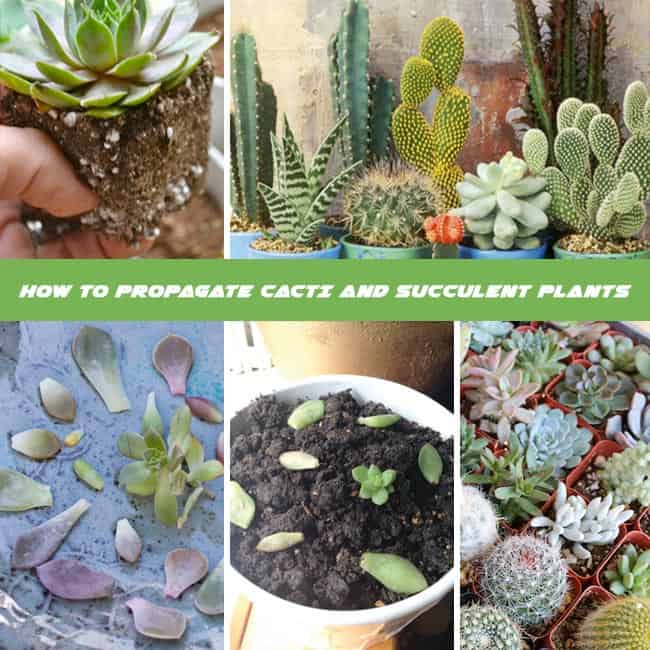
One of the greatest joys of growing Rebutia is its propensity to produce offsets, or “pups,” which can be separated and propagated to create new plants. This method is far easier than starting from seed and allows you to share your passion with fellow enthusiasts. To propagate, gently remove a healthy offset from the mother plant using a sterilized knife or your fingers. Allow the cut surface to callus over for a day or two to prevent rot, then plant it in a well-draining mix. Water sparingly for the first week, then resume regular care.
For those who love a challenge, hybridizing Rebutia can yield stunning results. Cross-pollinate flowers from different species using a soft brush, then collect the seeds once the fruit ripens. While this requires precision and patience, the potential for creating unique color variations or growth habits makes it a rewarding endeavor. Document your crosses meticulously, as tracking parentage is key to refining your results over generations.
Final Thoughts: A Lifelong Dance with Desert Jewels
Growing Rebutia from seed is more than a hobby—it’s a lifelong dialogue with nature, a practice in patience and observation. These resilient, jewel-toned cacti teach us that even the smallest seeds can grow into something extraordinary, given the right conditions and a little tender loving care. Whether you’re drawn to their vibrant flowers, their compact form, or the sheer joy of nurturing life from scratch, Rebutia offers endless rewards. So gather your seeds, prepare your soil, and embark on this enchanting journey. Your future garden of desert jewels awaits.
FAQ
How long does Rebutia seed germination usually take?
Seeds typically germinate within two to four weeks under warm, moist, and well-lit conditions.
Can I bury Rebutia seeds when sowing?
No, Rebutia seeds require light to germinate and should be sown on the soil surface without covering.
What is the best way to water Rebutia seedlings?
Use a spray bottle to mist the soil lightly, keeping it moist but not waterlogged, to avoid root rot.
When is the right time to repot Rebutia seedlings?
Seedlings are ready to be repotted individually after about three months, when they reach the size of a dime.
How do I prevent etiolation in Rebutia seedlings?
Provide ample indirect sunlight or use grow lights for 12-14 hours daily to ensure compact, healthy growth.


Leave a Reply