
Short Answer
Imagine a world where your Rebutia cactus, that spiky little rebel of the desert, could thrive not just survive—where its roots dance in fresh soil, its spines gleam under the sun, and its blooms burst forth with unbridled vitality. Repotting isn’t just a chore; it’s a rebirth, a chance to rewrite the narrative of your plant’s life. For those who’ve watched their Rebutia languish in cramped quarters, this guide isn’t just instructions—it’s a manifesto for transformation. Let’s dive into the art and science of repotting, where every step is a step toward flourishing.
The Prelude: Why Repotting Isn’t Just a Chore—It’s a Revolution
Rebutia, with its compact rosettes and fiery blooms, is a survivor. But even the hardiest of desert dwellers need room to stretch their roots. Repotting isn’t merely about upgrading a pot; it’s about granting your cactus the space to evolve. Stunted growth, roots peeking out like desperate fingers through drainage holes, or soil that’s more compacted than a city sidewalk—these are cries for liberation. Repotting is your chance to listen, to act, and to witness the metamorphosis. Think of it as a home renovation for your plant, where the old, tired soil is demolished, and the fresh, nutrient-rich substrate becomes the foundation for a thriving future.
Gathering Your Arsenal: Tools of the Trade for the Modern Plant Parent
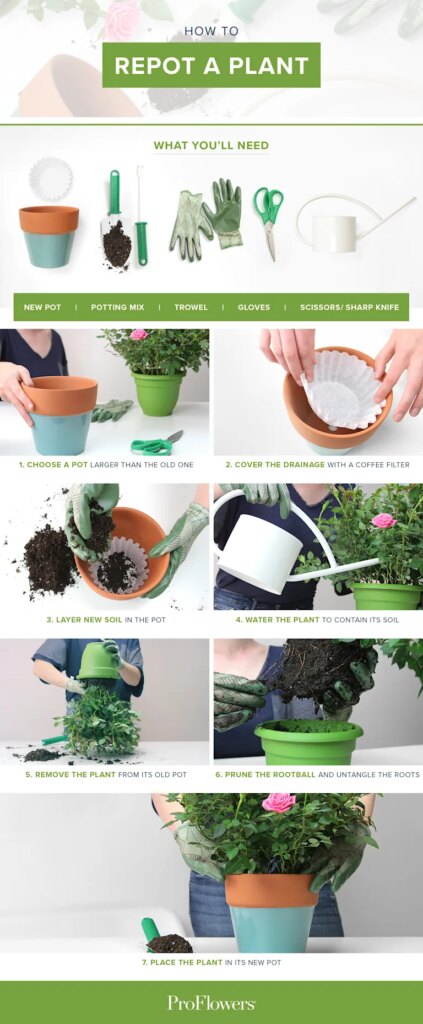
Before you embark on this botanical crusade, arm yourself with the right tools. A terracotta pot, porous and breathable, is the Rebutia’s dream home—it wicks away excess moisture, preventing the dreaded root rot. Pair it with a well-draining cactus mix, perhaps laced with perlite or pumice for that airy, desert-like texture. Don’t forget the gloves—those spines aren’t just decorative; they’re nature’s way of saying, “Handle with care.” A trowel, a spray bottle for misting, and a pair of tongs for stubborn debris complete your toolkit. This isn’t just gardening; it’s a tactical operation where preparation meets passion.
The Grand Extraction: Freeing Your Rebutia from Its Cramped Confinement
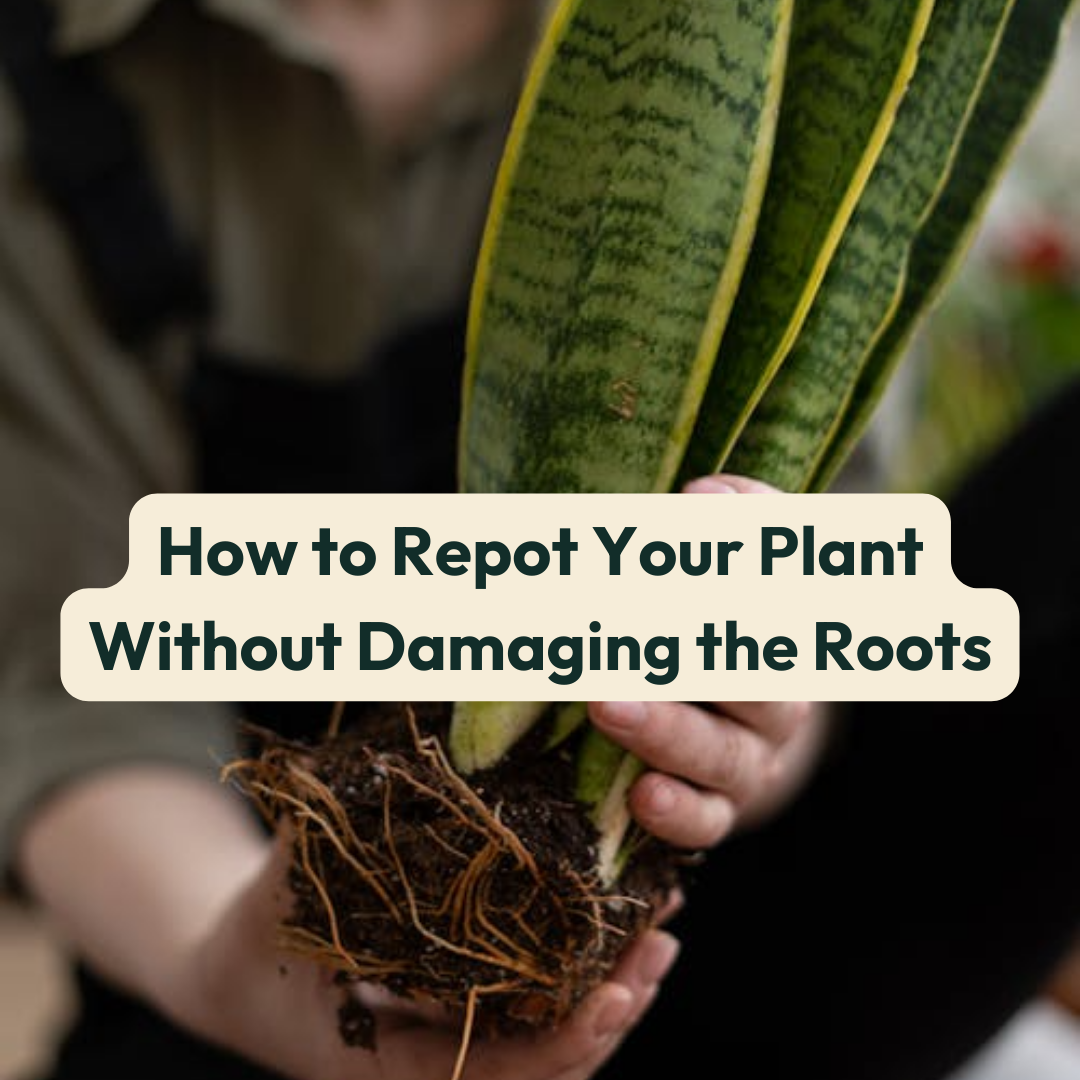
Gently, with the tenderness of a gardener and the precision of a surgeon, coax your Rebutia from its pot. If it resists, tap the sides or run a knife around the edges to loosen the soil’s grip. The goal? To preserve the root ball intact, like a delicate relic unearthed from the sands. Shake off the old soil, but resist the urge to wash the roots—this isn’t a bath time ritual. Instead, inspect them like a detective solving a mystery. Healthy roots are firm and white, while the mushy, dark ones? Those are the culprits behind your plant’s malaise. Snip them away with sterilized scissors, a small but necessary amputation for the greater good.
The Fresh Canvas: Preparing the Pot and Soil for a New Beginning
Your terracotta pot, now empty and eager, deserves a layer of fresh soil at the base—a bed of promise. Add a handful of your cactus mix, then position your Rebutia so its crown sits just below the pot’s rim. This isn’t just about aesthetics; it’s about preventing water from pooling around the stem, a death sentence for these desert natives. Fill in the gaps with soil, pressing lightly to eliminate air pockets. The top layer should be a whisper away from the rim, leaving room for that satisfying first watering. This isn’t just filling a pot; it’s crafting a cradle for growth.
But wait—what if your Rebutia is a clumping variety, a colony of offsets huddled together? Separate them with care, ensuring each has its own space to claim. These offsets, like tiny rebels, are ready to carve out their own destinies. Repotting them individually isn’t just practical; it’s a way to multiply your botanical legacy.
The Aftercare Ritual: Nurturing Your Rebutia Back to Radiance
Repotting is a shock to the system, even for the toughest of cacti. For the first week, keep your Rebutia in bright, indirect light—no harsh midday sun that could scorch its tender new roots. Water sparingly, just enough to moisten the soil without drowning it. Overwatering is the silent killer of repotted cacti, a fate as cruel as it is avoidable. Instead, mist the soil lightly or use a spray bottle to coax it back to life. Think of this period as a honeymoon phase, where patience and gentle care lay the groundwork for future glory.
Watch for signs of distress—yellowing, wilting, or a stubborn refusal to perk up. These are your plant’s way of saying, “I need more.” Adjust your care accordingly, and soon, you’ll witness the first tentative signs of recovery: a plump stem, a hint of new growth, or the promise of blooms just around the corner. This isn’t just plant care; it’s a dialogue between you and your Rebutia, a conversation that grows richer with each passing day.
The Blooming Finale: Witnessing Your Rebutia’s Triumphant Rebirth
Months after the repotting, as your Rebutia settles into its new home, something magical happens. The soil, once tired and depleted, now teems with life. The roots, no longer cramped, stretch and explore. And then—oh, then—it happens. A burst of color, a crown of vibrant blooms, a testament to your care and dedication. This isn’t just a plant; it’s a living sculpture, a symbol of resilience and renewal. Every repotting is a gamble, but when your Rebutia rewards you with its floral fireworks, it’s a victory for both of you.
The journey from cramped confinement to flourishing abundance is more than a gardening task—it’s a testament to the power of renewal. Your Rebutia, once a humble cactus, becomes a beacon of life, a reminder that even the smallest acts of care can yield the most extraordinary transformations. So go ahead, repot with purpose. Your Rebutia is waiting.
FAQ
How often should I repot my Rebutia cactus?
Repot every 2 to 3 years or when the roots have outgrown the pot.
What soil mix is recommended for Rebutia repotting?
Use a well-draining cactus soil mix enhanced with perlite or pumice for aeration.
Is it necessary to separate offsets during repotting?
Yes, separating offsets allows each plant to have sufficient space and resources to grow.
What aftercare steps should I follow post-repotting?
Keep the plant in bright, indirect light and water sparingly, avoiding overwatering to prevent root rot.
Leave a Reply